Skip to content

Experience the

Wonders of Uganda

  • WHY GO
  • EXPERIENCES
  • WHERE TO GO
  • WHEN TO GO
  • TRAVEL ADVICE
WHY GO

Why Visit Uganda for Safari
Uganda, the “Pearl of Africa,” is a treasure trove of natural beauty, diverse wildlife, and rich cultural heritage. Located in the heart of East Africa, Uganda is a premier tourist destination, offering an unforgettable experience for visitors.

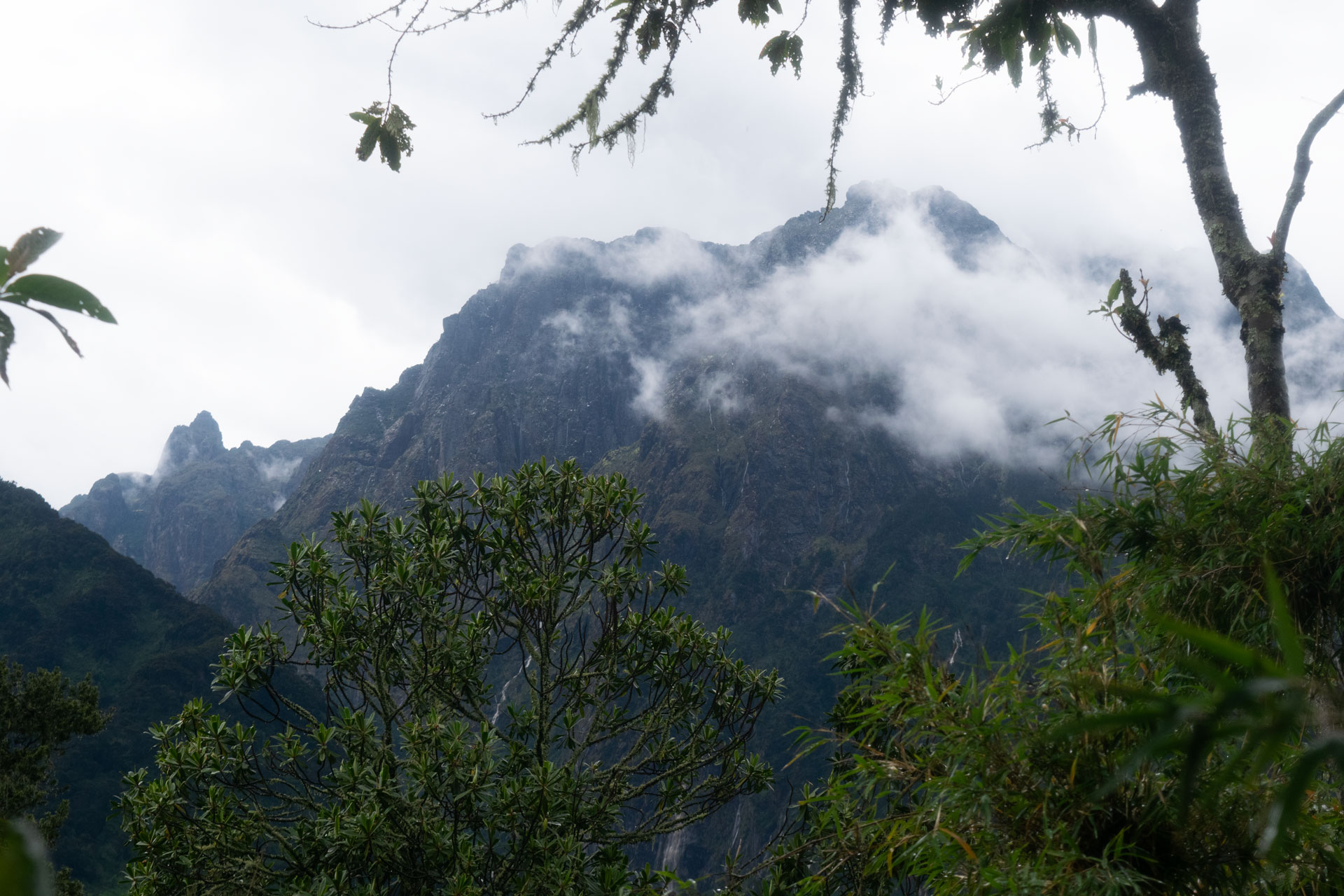
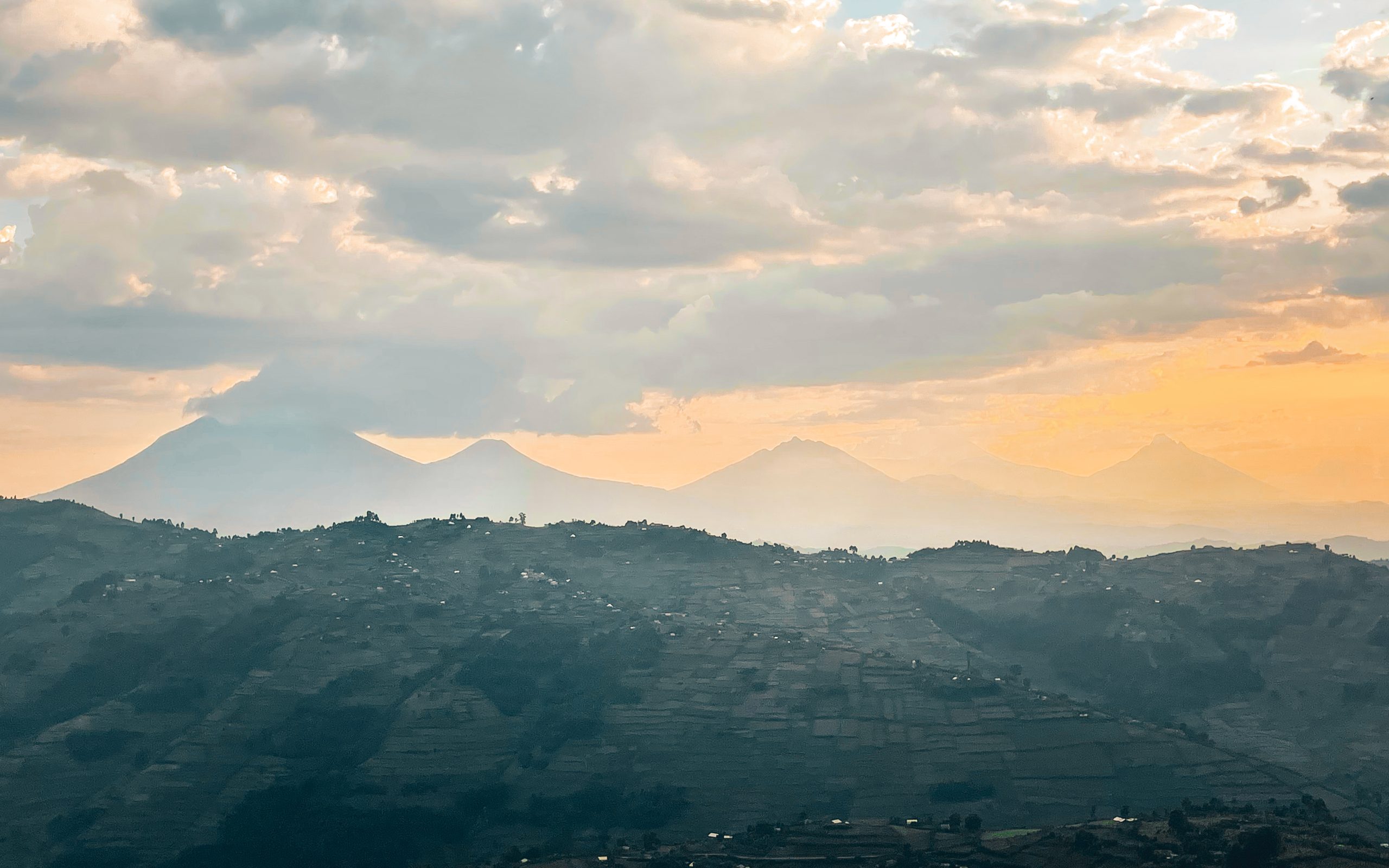
Uganda’s natural beauty is breathtaking. The majestic Rwenzori Mountains, also known as the “Mountains of the Moon,” offer stunning views and exciting hiking trails. Lake Victoria, the world’s second-largest freshwater lake, and the Great Nile River provide breathtaking scenery and exciting water sports.


The country’s diverse wildlife is another major draw.

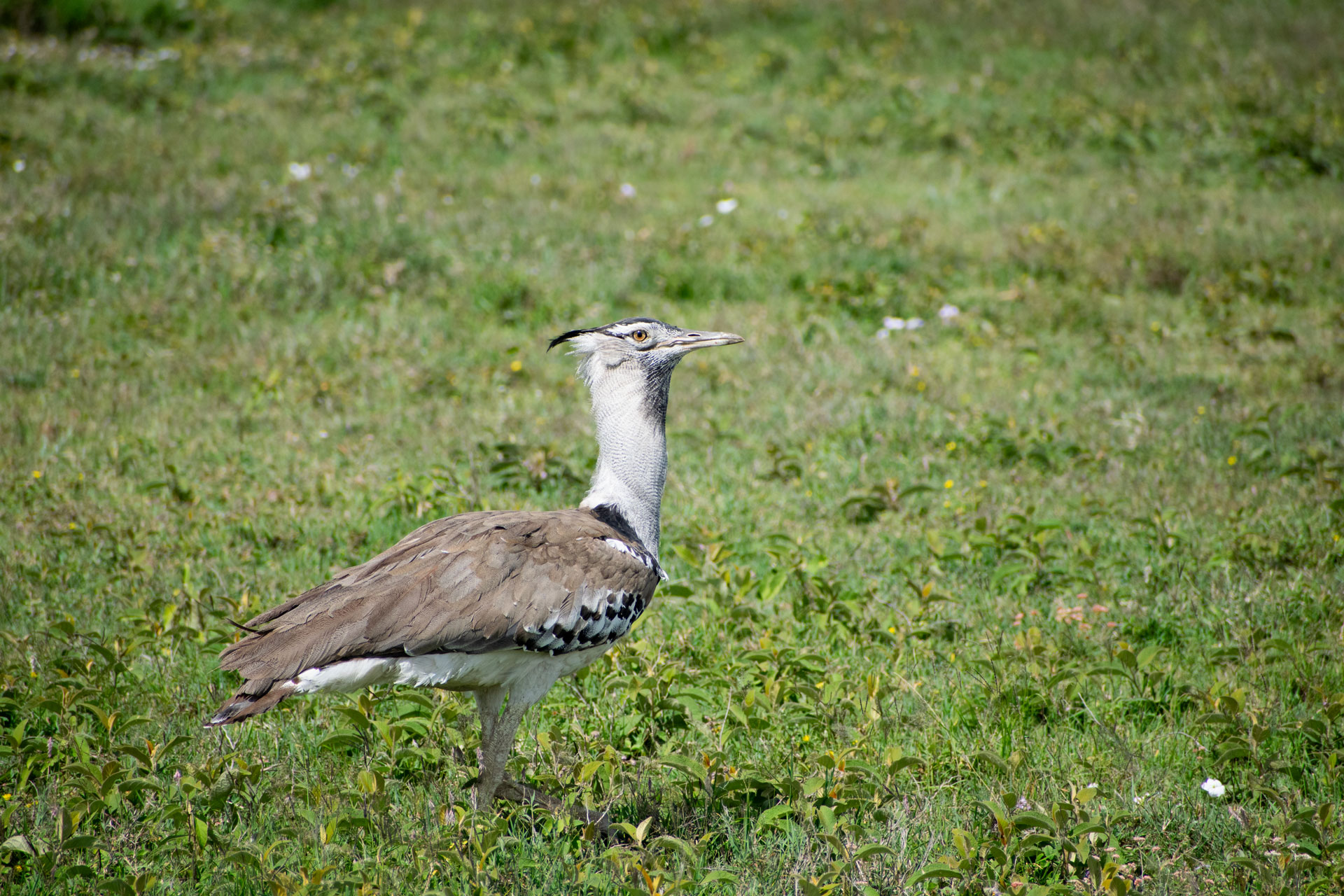
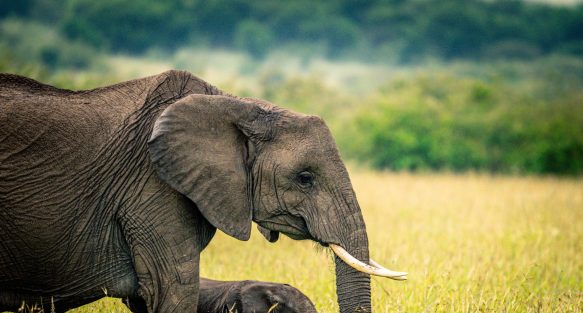
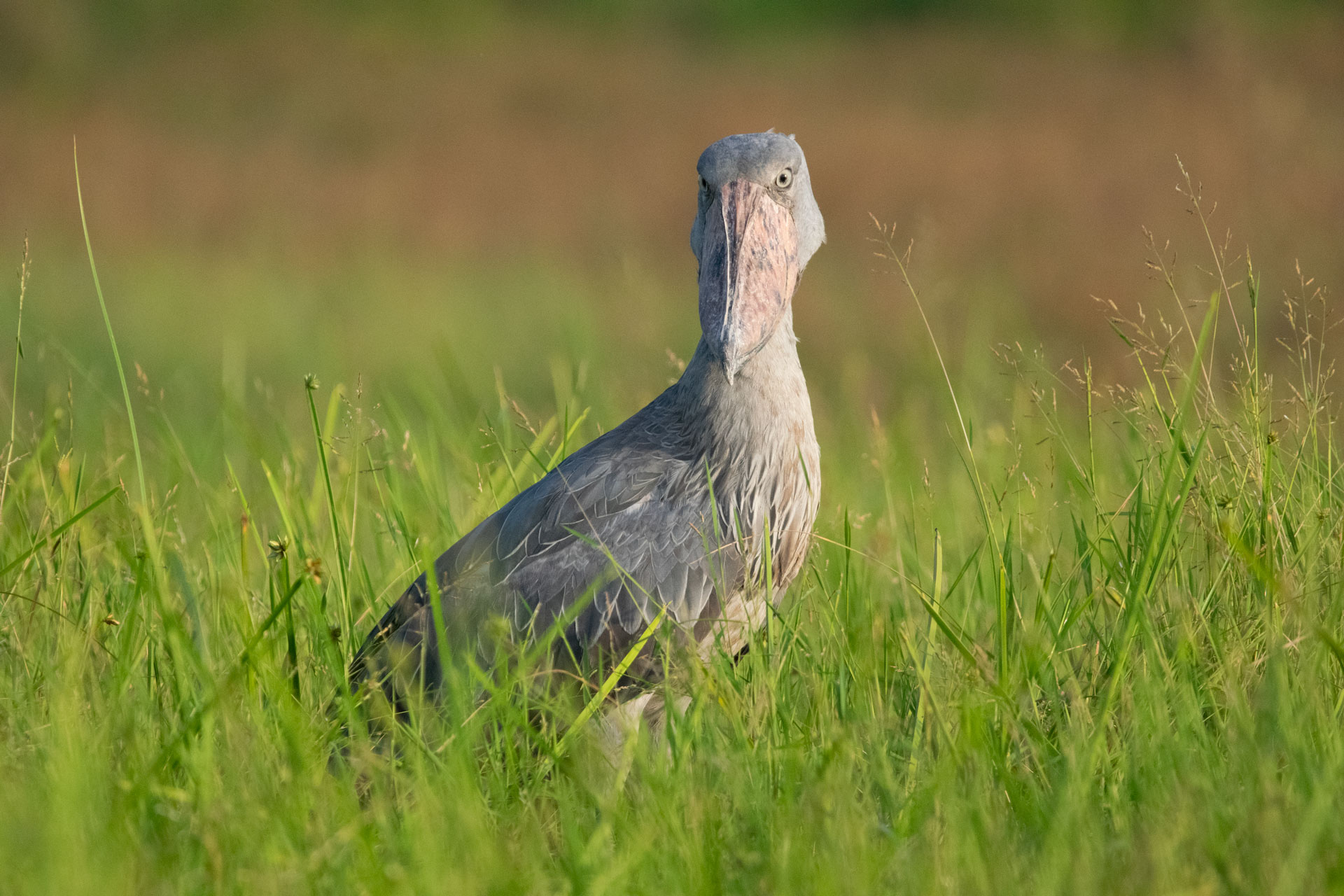
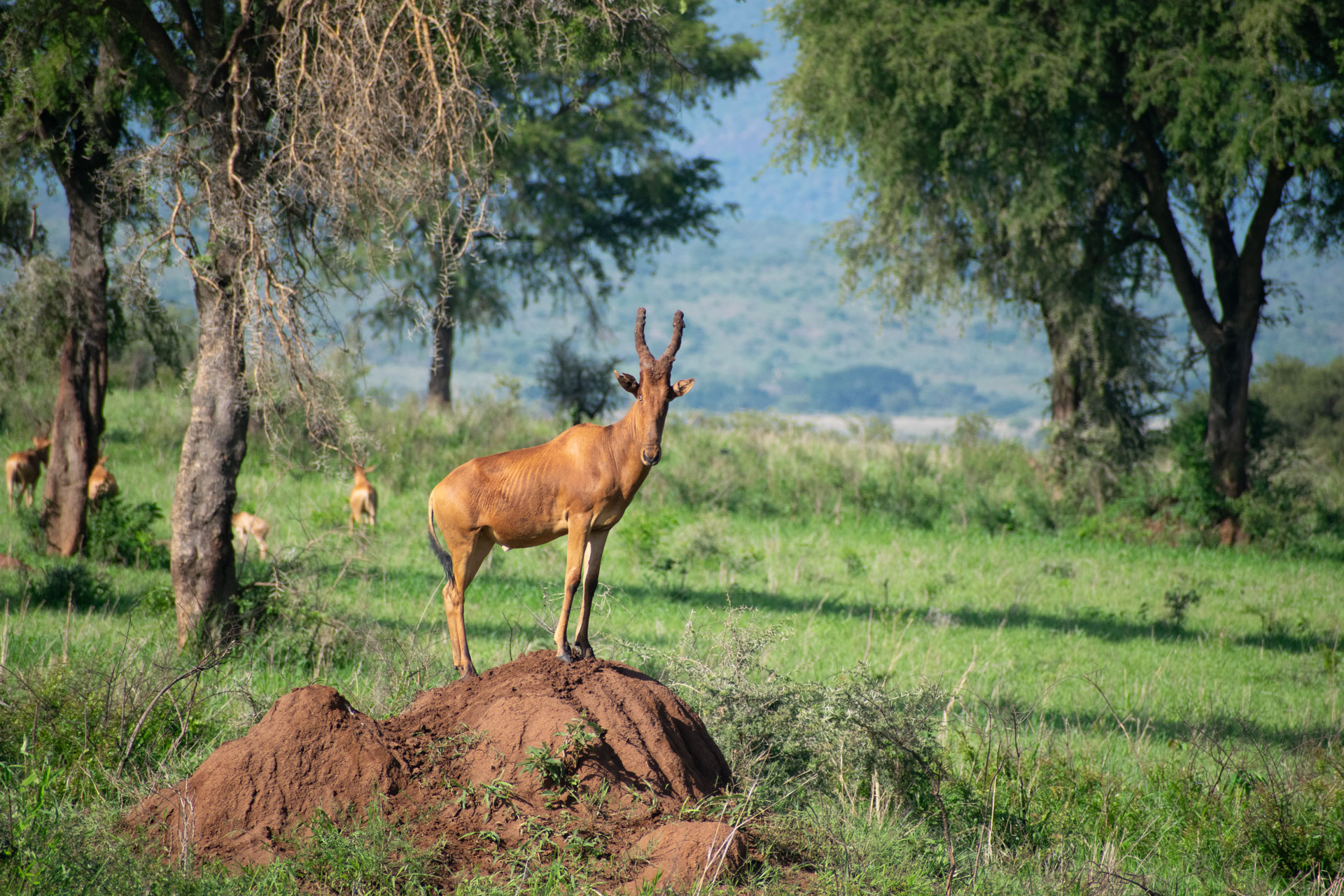
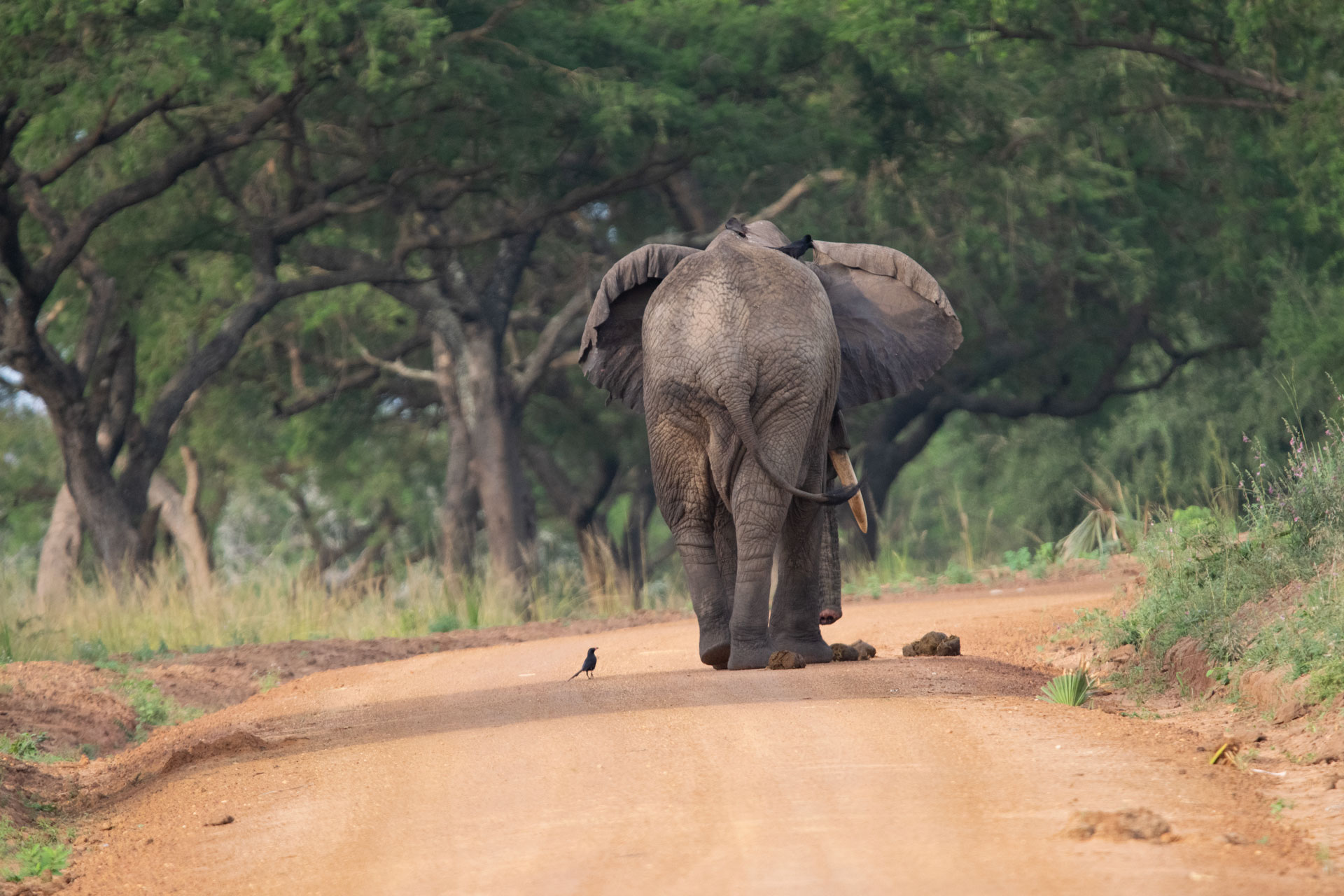
Uganda is home to over 1,000 species of birds, including the iconic shoebill stork and the grey crowned crane. National parks like Queen Elizabeth, Murchison Falls, and Bwindi Impenetrable offer a chance to see iconic African wildlife, including lions, leopards, elephants, and buffalo. Uganda is also home to a large population of mountain gorillas, with guided treks available in Bwindi Impenetrable National Park.

Uganda’s rich cultural heritage is also on display. With over 50 ethnic groups, each with their own unique customs, traditions, and languages, visitors can experience the country’s vibrant cultural scene by visiting local villages, attending cultural festivals, and learning about the country’s history and traditions.

In conclusion, Uganda is a must-visit destination for anyone interested in exploring the beauty and wonder of Africa. With its incredible natural beauty, diverse wildlife, and rich cultural heritage, Uganda offers an unforgettable experience for visitors.
EXPERIENCES

Uganda Safari Experiences

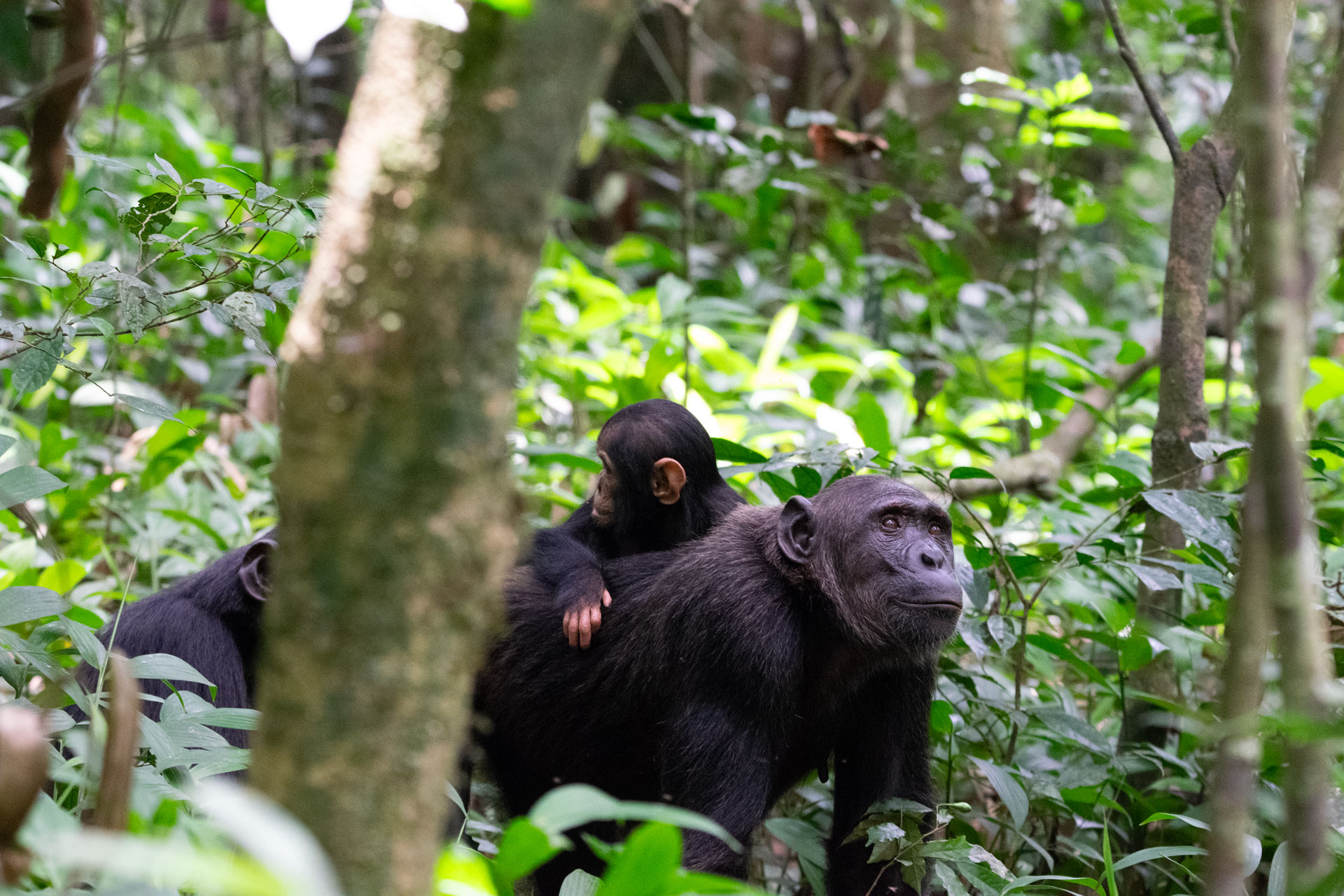
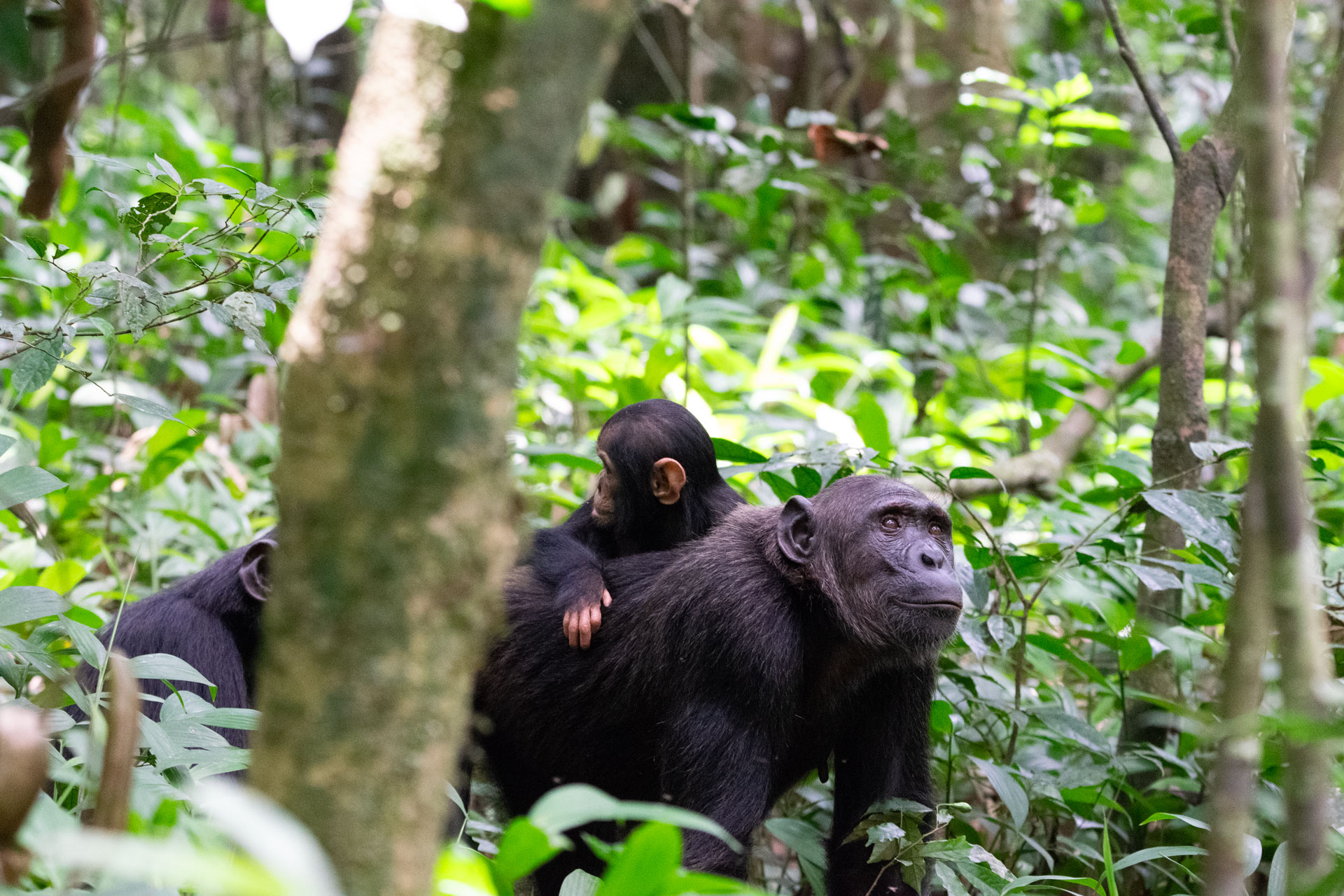
Chimpanzee Tracking

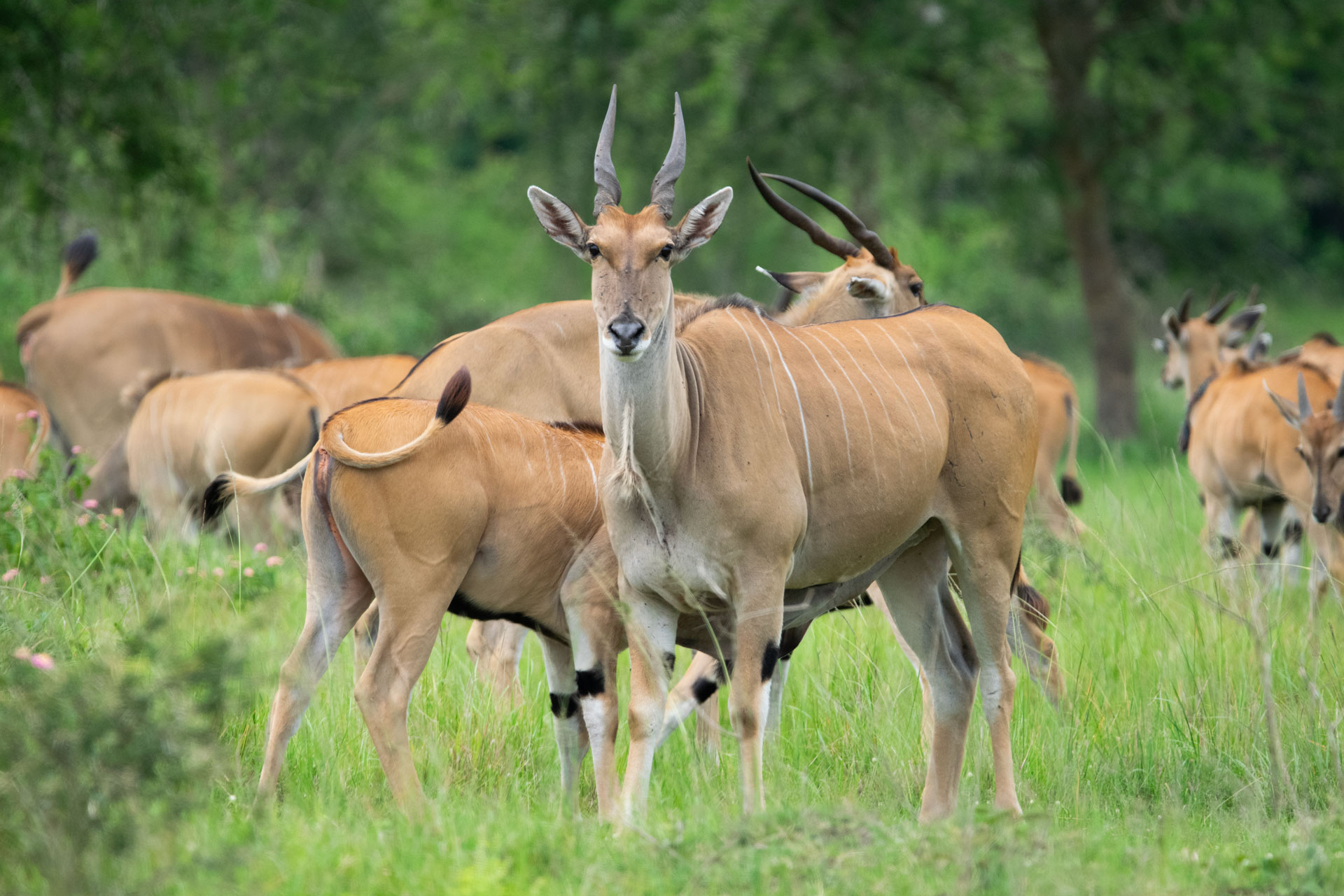
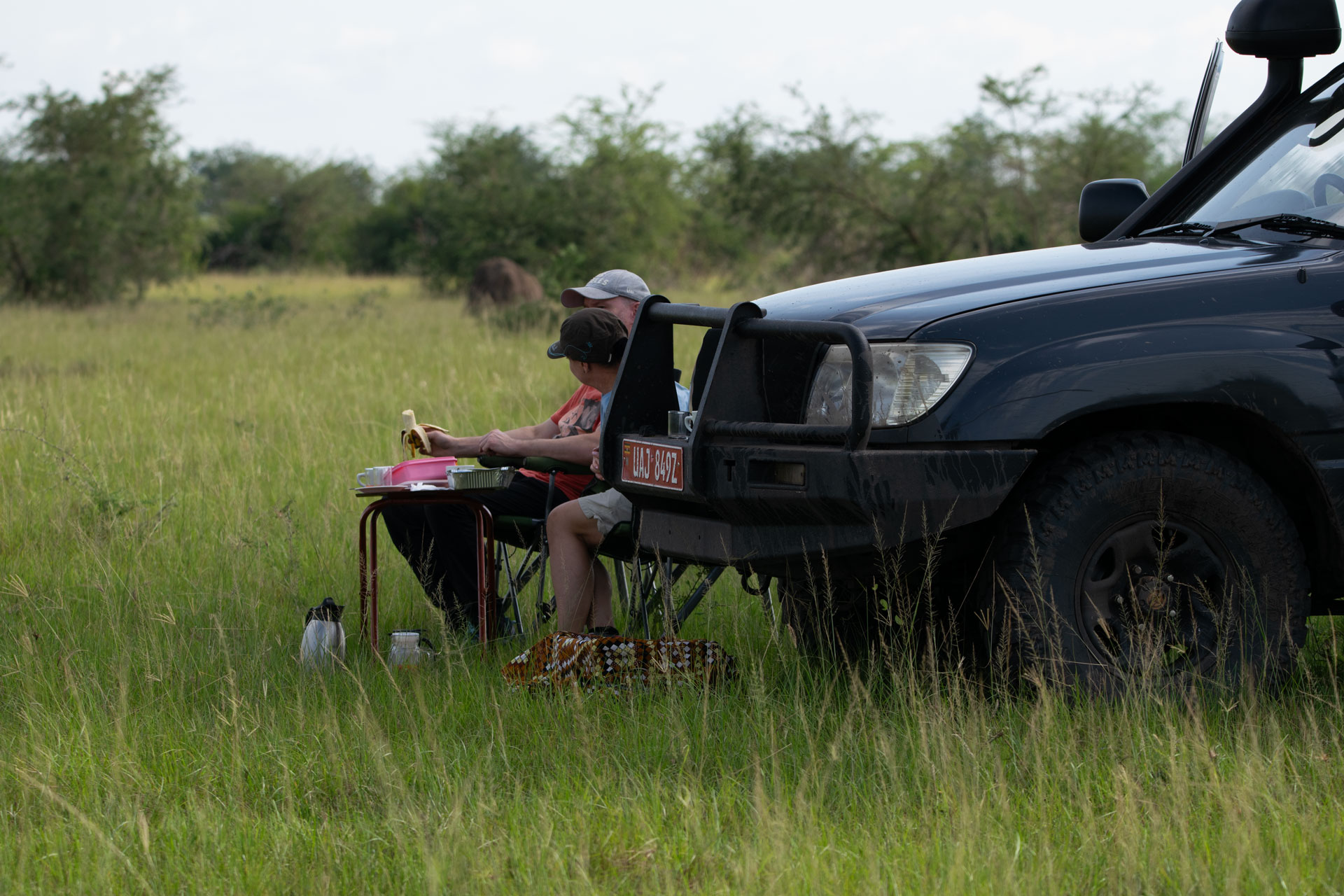
Game Drives in Uganda

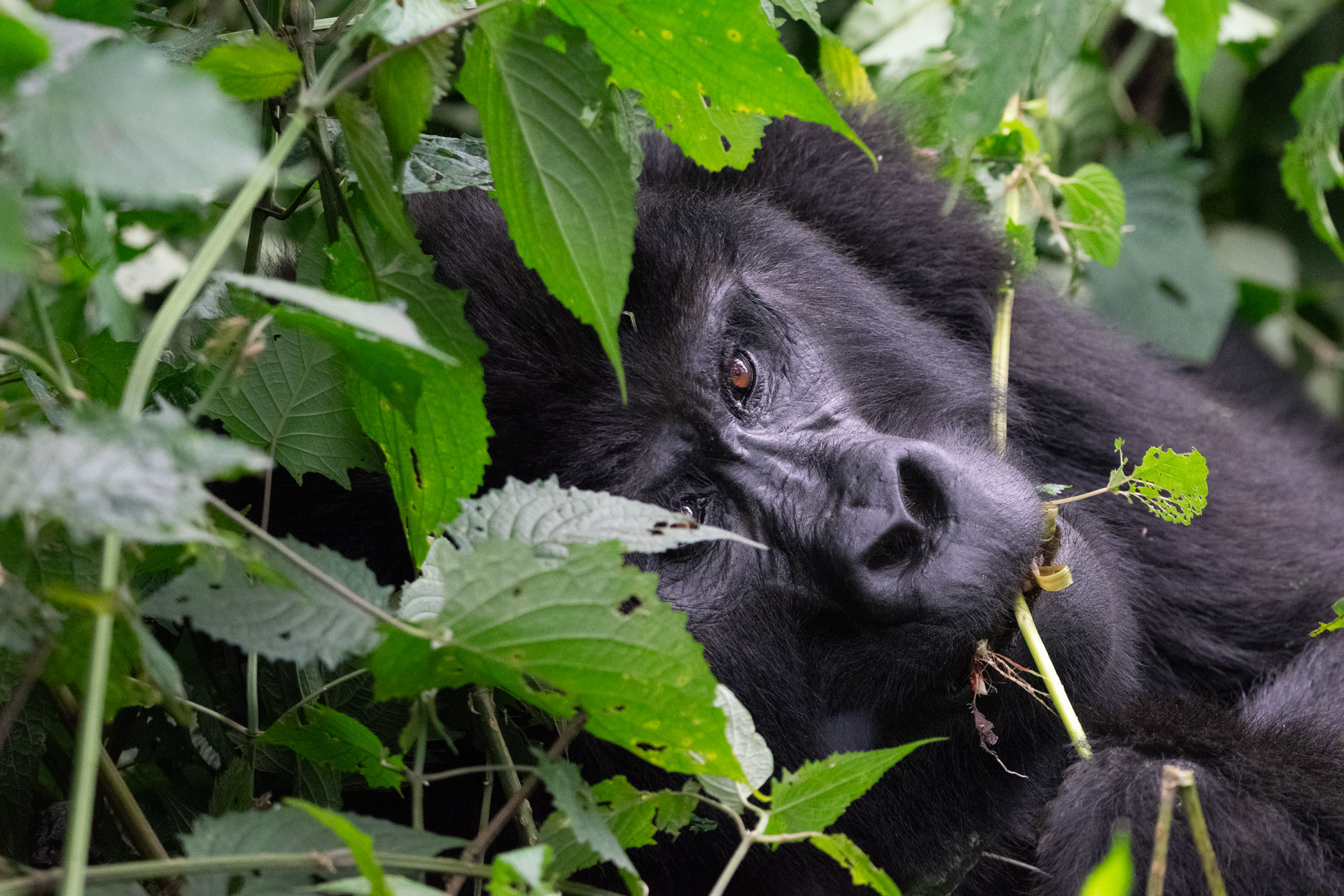
Gorilla trekking experience

WHERE TO GO

Destinations to visit in Uganda

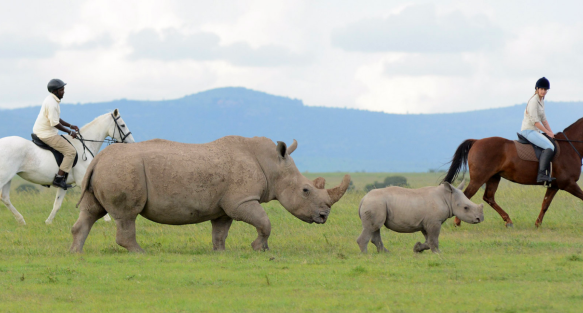
Ziwa rhino sanctuary Uganda
Ziwa rhino sanctuary

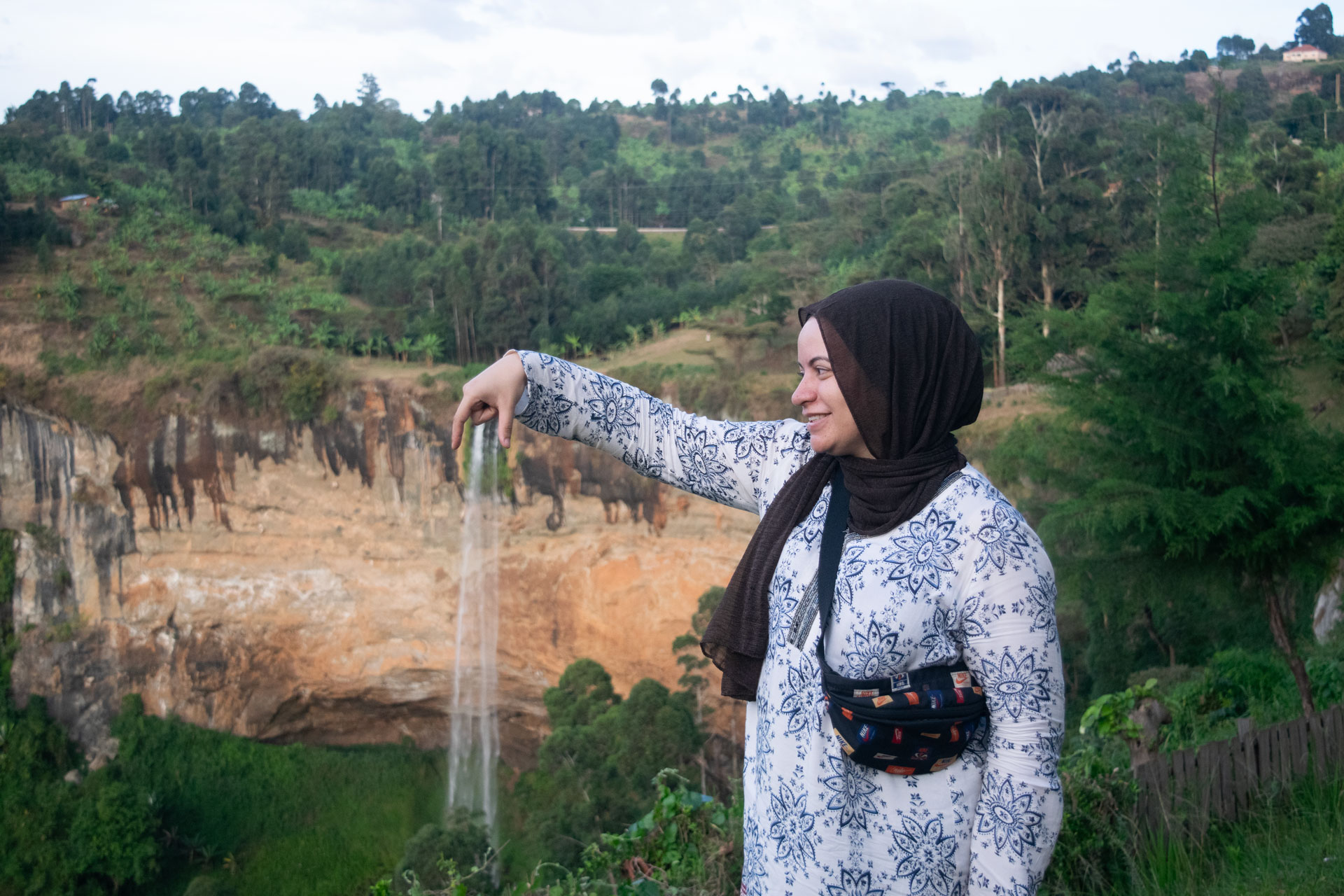
sipi falls view point
Sipi Falls

Nyero rock painting-01
Nyero Rock Paintings

Lubaga cathedral
Kampala City Tour

mocking cliff chat
The Royale Mile Budongo Forest

Mabamba Swamp

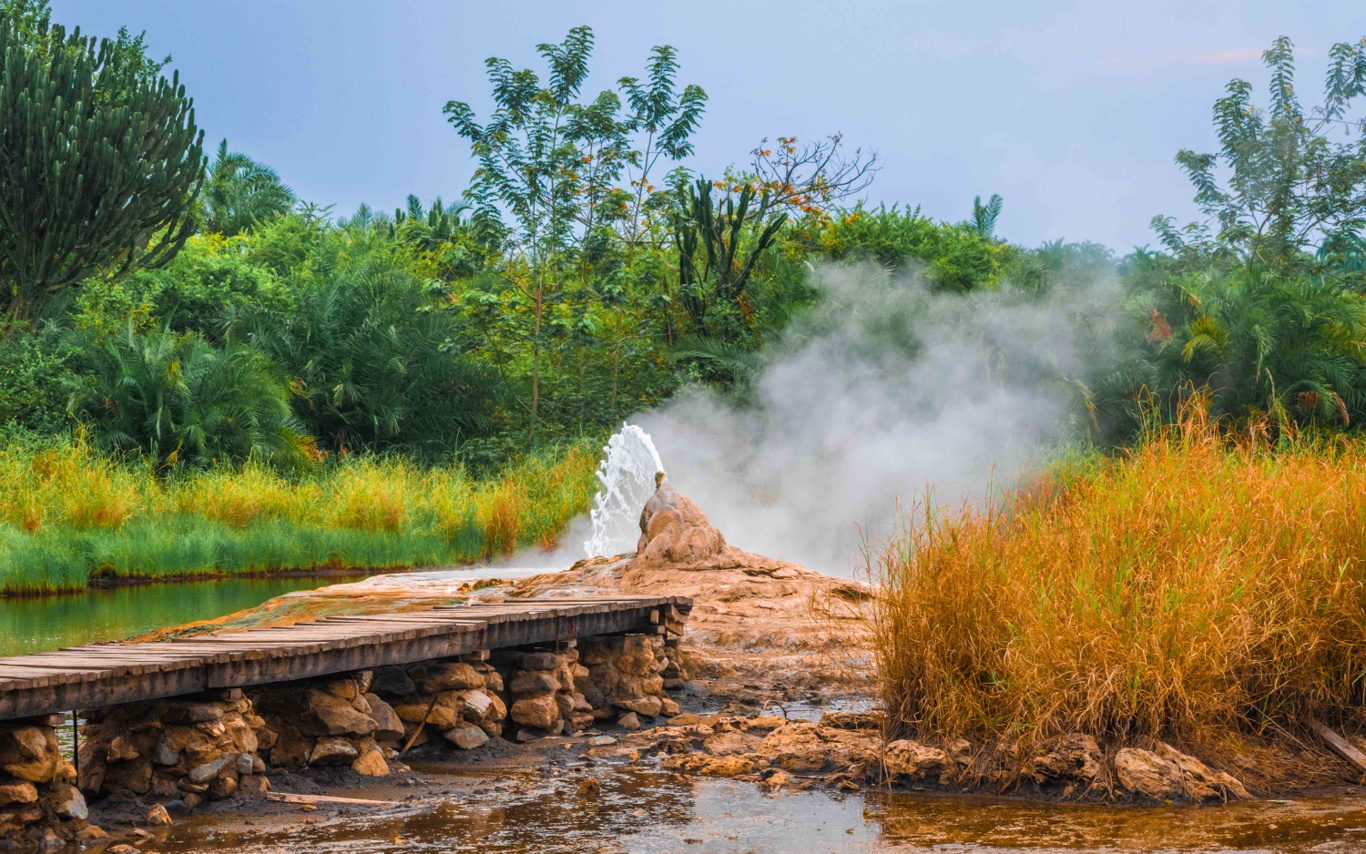
hot springs semuliki National park
Semuliki National Park

mt Rwenzori ranges
Rwenzori Mountains National Park

Murchison Falls are the worlds strongest falls
Murchison Falls National Park

Gorilla trekking in Bwindi impenetrable national park
Mgahinga Gorilla National Park

Lake Mburo National Park

a beauty of kidepo
Kidepo Valley National park

Bwindi Impenetrable National Park

Kibale National Park

LEOPARD QUEEN
Queen Elizabeth National Park

WHEN TO GO

Uganda, the “Pearl of Africa,” is a treasure trove of natural beauty, diverse wildlife, and rich cultural heritage. Located in the heart of East Africa, Uganda is a premier tourist destination, offering an unforgettable experience for visitors.

Uganda’s natural beauty is breathtaking. The majestic Rwenzori Mountains, also known as the “Mountains of the Moon,” offer stunning views and exciting hiking trails. Lake Victoria, the world’s second-largest freshwater lake, and the Great Nile River provide breathtaking scenery and exciting water sports.


The country’s diverse wildlife is another major draw.

Uganda is home to over 1,000 species of birds, including the iconic shoebill stork and the grey crowned crane. National parks like Queen Elizabeth, Murchison Falls, and Bwindi Impenetrable offer a chance to see iconic African wildlife, including lions, leopards, elephants, and buffalo. Uganda is also home to a large population of mountain gorillas, with guided treks available in Bwindi Impenetrable National Park.

Uganda’s rich cultural heritage is also on display. With over 50 ethnic groups, each with their own unique customs, traditions, and languages, visitors can experience the country’s vibrant cultural scene by visiting local villages, attending cultural festivals, and learning about the country’s history and traditions.

In conclusion, Uganda is a must-visit destination for anyone interested in exploring the beauty and wonder of Africa. With its incredible natural beauty, diverse wildlife, and rich cultural heritage, Uganda offers an unforgettable experience for visitors.
TRAVEL ADVICE

Uganda, the “Pearl of Africa,” is a treasure trove of natural beauty, diverse wildlife, and rich cultural heritage. Located in the heart of East Africa, Uganda is a premier tourist destination, offering an unforgettable experience for visitors.

Uganda’s natural beauty is breathtaking. The majestic Rwenzori Mountains, also known as the “Mountains of the Moon,” offer stunning views and exciting hiking trails. Lake Victoria, the world’s second-largest freshwater lake, and the Great Nile River provide breathtaking scenery and exciting water sports.


The country’s diverse wildlife is another major draw.

Uganda is home to over 1,000 species of birds, including the iconic shoebill stork and the grey crowned crane. National parks like Queen Elizabeth, Murchison Falls, and Bwindi Impenetrable offer a chance to see iconic African wildlife, including lions, leopards, elephants, and buffalo. Uganda is also home to a large population of mountain gorillas, with guided treks available in Bwindi Impenetrable National Park.

Uganda’s rich cultural heritage is also on display. With over 50 ethnic groups, each with their own unique customs, traditions, and languages, visitors can experience the country’s vibrant cultural scene by visiting local villages, attending cultural festivals, and learning about the country’s history and traditions.

In conclusion, Uganda is a must-visit destination for anyone interested in exploring the beauty and wonder of Africa. With its incredible natural beauty, diverse wildlife, and rich cultural heritage, Uganda offers an unforgettable experience for visitors.

Uganda Safari Packages

3 Day Gorilla Trekking Uganda

15 Day Rwanda Uganda luxury safari

6 Day Gorilla Trekking and Big Game Uganda Safari

11 Day Masai Mara and Uganda Gorilla trekking safari

10 Day Uganda Gorilla Chimpanzee Safari

8-Day Safari Uganda Wildlife Adventure

South Sudan is not only the newest country but also one of the untapped African safari destinations. Tours in South Sudan showcase both the country’s unique cultural experiences and wildlife safaris in its finest protected areas. South Sudan is an exceptional East African destination with diversity of faunal and floral species with its landscape featuring vast grasslands, forests and wetlands.

South Sudan’s faunal and floral species survive within only the 6 National Parks. These include Bandingilo National Park, Lantoto National Park, Boma National Park, Nimule National Park, Shambe National Park and Southern National Park.

South Sudan (Republic of South Sudan) is a landlocked state located in Eastern-Central Africa. Bordering this newest African country are states such as Uganda – The Pearl of Africa, Kenya, the D.R. Congo, Central African Republic, Ethiopia, and Sudan to the North. Juba is the capital city, also a vibrant business hub.

Cultural / Tribal Safaris


Tribal safaris in South Sudan usher holidaymakers into the country’s distinct traditions and cultures. Embark on a cultural tour with the local expert, and get a chance to interact with South Sudan’s diverse tribes including the Ottuho tribe, Toposa, Mundari, Dinka tribe, Larim, Didinga tribe tours, Shilluk tribe, Nuer tribe, and more.

Ottuho tribe – this is one of the tribes in South Sudan, and belongs to the Nilotic group. These are pastoralists living in the Eastern Equatorial area since the 1800s. They speak Ottuho language with their beliefs dependent on nature and ancestral worship.

Didinga tribe –meet the Didinga the inhabitants of the Didinga Hills, especially on the plateaus and slopes. This community is surrounded by Dodoth, Boya, Dongotono, Lopit/Lotuka and others.

The Dinka tribe – this is a Nilotic tribal group and known not to have centralized political power. Majority of the Dinka occupy the Anglo-Egyptian historical Province of Bahr el Ghazal. These believe in one god called Nhialic whom they say has individuals and uses spirits for speaking.

The Boya tribe – this group occupies the Eastern Torit town. This tribal group concentrates around the shadow of the mountains and boulders. They are skilled in painting houses and mostly design them with distinct patterns and adorn them with intricate beadwork.

Toposa tribe – this ethnic group lives in Kapoeta and is among the amazing group worth interacting with. This ethnic group is comprised of herders and their economy entirely depends on the livestock rearing.

Tips for planning safaris in South Sudan.


  • Consider planning and booking your South Sudan tour with a reliable and trusted local tour operator. No one knows South Sudan more than us! We have lived and grown here and we know every bit of South Sudan.
  • Avoid traveling at night.
  • Photography in Juba city maybe restricted in some areas –be aware of this.
  • Do not display your dollars or valuables to everyone.
  • Plan your trip within the favorable weather and climatic conditions –ask the expert.
  • Choose and book your accommodation early enough and avoid last minute booking.


What to pack?

An African safari in South Sudan never goes without you considering what to pack. The list of items to carry is endless but what is needed is for you to have essentials first. Besides, put into consideration the weather conditions to guide you on things to pack say game drive.

The essentials to pack for South Sudan safari include sunhat, sunglasses, daypack, safari shirts, water and wind proof jacket, waterproof hiking boots, toiletries, insect repellents, first aid kit, camera plus additional batteries and memory cards, bottled water, torch, a pair of binoculars, travel pillows, and others.

Authentic Cultural Journeys Across East Africa & Beyond

African Cultural Photography Tours

Authentic Experiences in Ethiopia, Uganda, Kenya, Tanzania & South Sudan

Our authentic cultural tours take you beyond traditional wildlife safaris into the heart of East and Central Africa’s living heritage. Travel from the Maasai villages of Kenya and the intimate cultural encounters of Rwanda and Burundi, to the Omo Valley tribes of Ethiopia, the Mundari cattle camps of South Sudan, and the ancient rock-hewn churches of Lalibela. Continue your adventure to the Baobab landscapes and vibrant traditions of Madagascar, uncovering the authentic soul of Africa at every step.

Whether you are a photographer, culture seeker, or heritage enthusiast, our expertly guided journeys immerse you in the lives of local tribes, their vibrant festivals, traditional music, and timeless customs.

With Wild Compass Africa, you don’t just visit Africa—you experience its cultures, live its traditions, and take home stories to last a lifetime

Omo Valley Photography Tours


Photographic South Sudan


Remote Northern Kenya Photography Safari – Tribes, Traditions & Timeless Landscapes


South Sudan Tribal Photography Expedition


Cultural Tribes to Visit

The Dorze Tribe of Ethiopia


The Karo Tribe of Ethiopia


The Hamar Tribe of Ethiopia


The Nyangatom Tribe of Ethiopia


The Mursi Tribe of Ethiopia


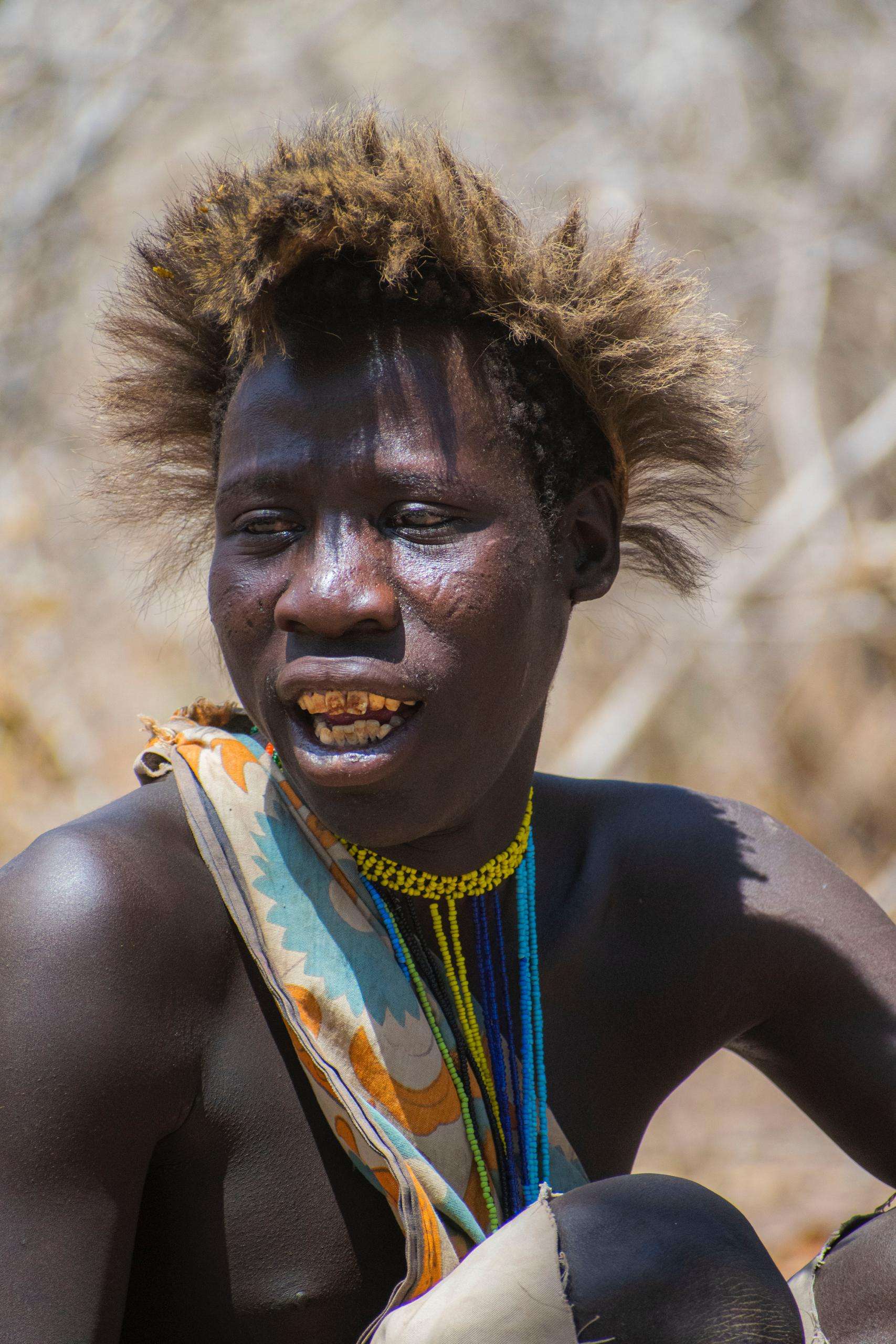
The Hadza People of Tanzania


The Maasai Warriors of East Africa


The Pygmies of Uganda


South Sudan | Culture Untouched

Ancient Traditions – Living Communities

  • WHY GO
  • EXPERIENCES
  • TRIBES TO VISIT
  • WHEN TO GO
  • TRAVEL ADVICE
WHY GO

A Land of Culture and Untamed Nature

South Sudan, the world’s youngest nation, remains one of Africa’s most culturally intact and visually compelling destinations. Largely untouched by mass tourism, the country offers rare access to living traditions, vast wilderness, and dramatic human–landscape relationships that have endured for generations.

From expansive wetlands and open savannahs to remote cattle camps and riverine kingdoms along the Nile, South Sudan appeals to travellers seeking authentic cultural immersion, raw nature, and meaningful exploration beyond the mainstream.

Cultural Landscapes & Living Traditions

With more than 60 distinct ethnic groups, South Sudan is one of Africa’s most culturally diverse countries. Communities here continue to live according to deeply rooted customs shaped by cattle culture, seasonal movement, ritual, and oral history.

Key Cultural Communities of South Sudan

Among the most culturally significant and visually distinctive groups are:

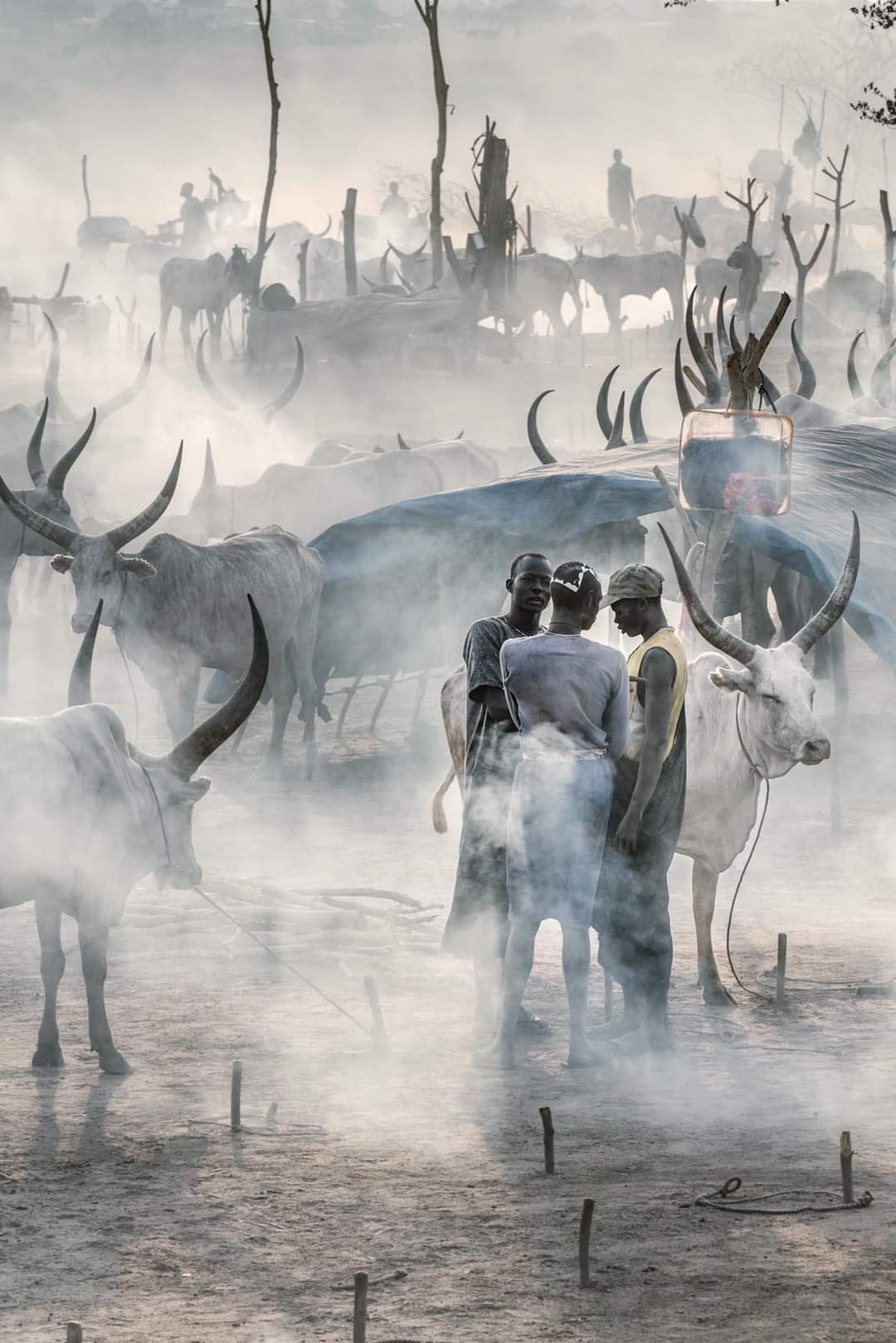
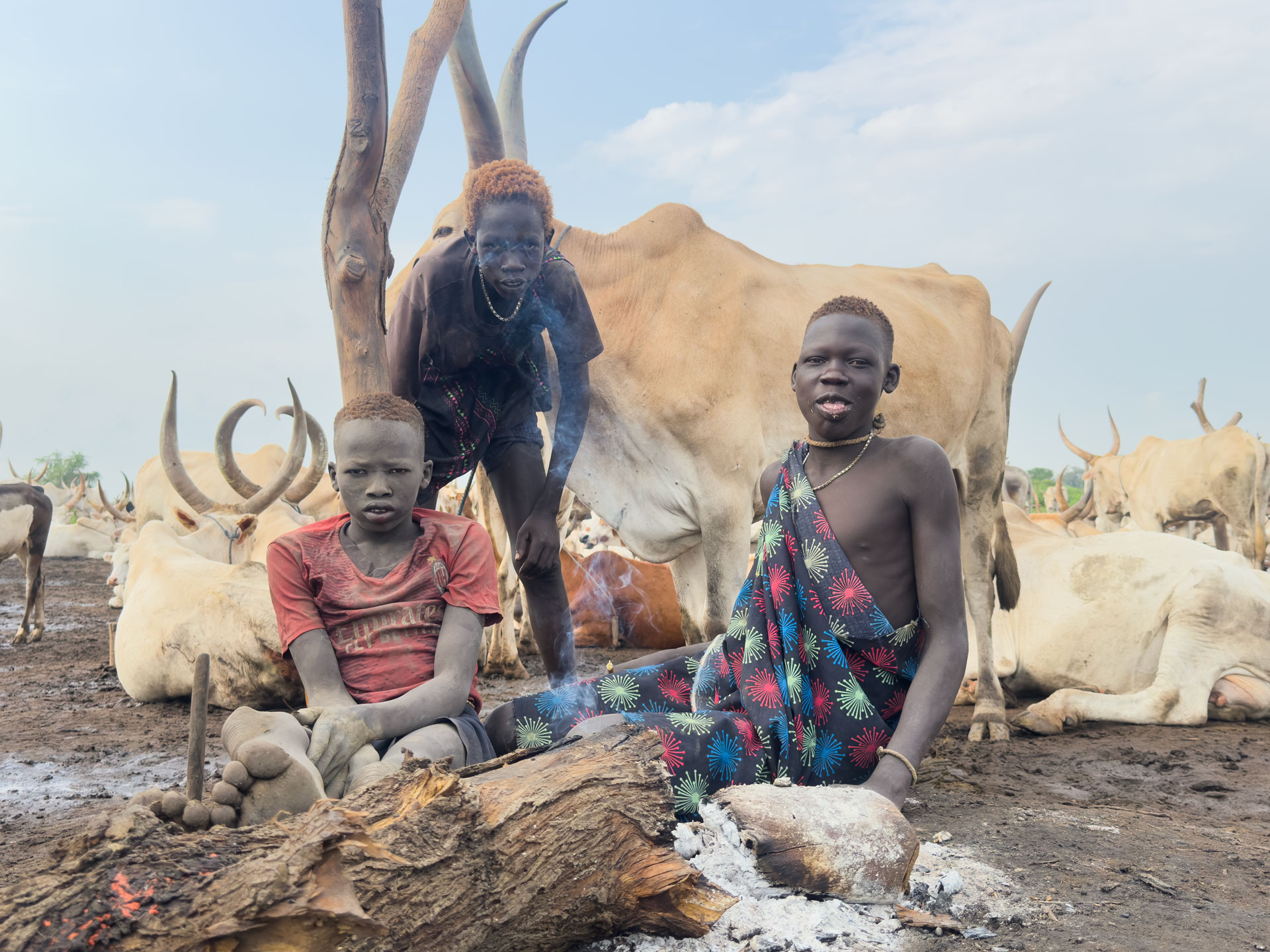
  • Mundari – renowned for their iconic cattle camps, ash-covered rituals, and deep spiritual bond with long-horned Ankole cattle
  • Dinka – South Sudan’s largest ethnic group, known for poetry, scarification, and age-set traditions
  • Nuer – pastoralists with rich ceremonial life and strong communal identity
  • Toposa & Jie – semi-nomadic groups of the east, recognised for beadwork, body adornment, and vibrant dances
  • Murle – culturally resilient communities with unique traditions and social structures
  • Shilluk – a historic Nile kingdom with royal customs and strong spiritual heritage
  • Bari, Lotuko & Acholi – agricultural and riverine communities with rich music, storytelling, and craftsmanship

Each community expresses identity through body art, dress, song, dance, ritual gatherings, and daily pastoral or agricultural life.

Meaningful Cultural Experiences

Travel in South Sudan is centered on participation, observation, and respect, rather than performance or staged encounters. Experiences may include:

  • Time spent at traditional cattle camps, where poetry, song, and daily life revolve around livestock
  • Visits to remote villages, offering insight into family structures, customs, and subsistence lifestyles
  • Exploration of local markets, showcasing beadwork, metalwork, pottery, and handmade tools
  • Attendance at ceremonial gatherings, dances, or seasonal events when culturally appropriate

These encounters provide rare, unfiltered insight into cultures that continue to live largely as they have for centuries.

Wilderness, Wetlands & Wildlife

South Sudan’s natural landscapes are vast, remote, and ecologically significant, forming some of Africa’s least explored wilderness areas.

Natural Highlights Include

  • The Sudd Wetlands – one of the largest freshwater wetlands on Earth, home to exceptional birdlife and rare species such as the shoebill stork
  • Boma & Bandingilo National Parks – expansive, unfenced ecosystems supporting elephants, giraffes, buffalo, lions, and antelope
  • The White-Eared Kob Migration – one of the world’s largest mammal migrations, often described as Africa’s greatest wildlife spectacle you’ve never heard of

Whether travelling by vehicle, on foot, or by boat along the Nile and its tributaries, wildlife encounters here are raw, unscripted, and deeply immersive.

A Destination for Cultural & Documentary Photography

South Sudan is one of Africa’s most powerful destinations for cultural, documentary, and expedition-style photography. The combination of dramatic light, open landscapes, ceremonial life, and unaltered traditions creates extraordinary storytelling opportunities.

Photographers are drawn to:

  • Cattle camps at dawn and dusk
  • Ceremonial body art and adornment
  • Portraits shaped by identity, resilience, and place
  • Vast wetlands, savannahs, and migration corridors

This is a destination for photographers seeking depth, narrative, and authenticity, rather than surface imagery.

Who South Sudan Is For

South Sudan is best suited to:

  • Experienced travellers seeking remote destinations
  • Cultural explorers and anthropological enthusiasts
  • Documentary and cultural photographers
  • Adventurous travellers comfortable with flexible, expedition-style travel

It is not a conventional safari destination, but a place for those willing to engage deeply with people, landscape, and context.

Why Travel with Wild Compass Africa

Wild Compass Africa specialises in carefully planned, ethically guided journeys into South Sudan, working closely with local communities and experienced guides to ensure respectful and meaningful travel.

Our South Sudan experiences focus on:

  • Genuine cultural engagement, not staged encounters
  • Small-group or private travel
  • Photography-focused and exploratory itineraries
  • Responsible community interaction and fair compensation

Every journey is designed with cultural sensitivity, safety awareness, and narrative depth at its core.

Experience South Sudan

A land of enduring traditions, vast wilderness, and stories yet to be told — explored responsibly with Wild Compass Africa

{{brizy_dc_image_alt imageSrc=

EXPERIENCES

Sudan Safari Experiences

{{brizy_dc_image_alt entityId=

Discover the Sudd Wetlands – South Sudan’s Untouched Water-world


{{brizy_dc_image_alt entityId=

Festivals & Traditional Ceremonies – South Sudan’s Living Heritage


{{brizy_dc_image_alt entityId=

Nile River Adventures – South Sudan Safari & Cultural Experiences


TRIBES TO VISIT

Tribes to visit in Sudan

{{brizy_dc_image_alt entityId=

Dinka Tribe – South Sudan’s Iconic Culture and Heritage


{{brizy_dc_image_alt entityId=

Shilluk Tribe


{{brizy_dc_image_alt entityId=

Nuer Tribe – South Sudan’s Cattle-Herding Culture & Traditions


{{brizy_dc_image_alt entityId=

Mundari Tribe


WHEN TO GO

Dry Season (December–March)

The dry season is the most popular time for travel, particularly for wildlife safaris, photography, and cultural excursions.

  • Photography Advantage: Dry-season landscapes provide clear skies, golden light, and unobstructed views, ideal for cultural portraits, wildlife, and wide landscapes.
  • Cultural Events: Many traditional ceremonies and cattle rituals are scheduled around the dry season, providing unique opportunities for authentic cultural immersion.

  • Wildlife Viewing: Animals gather around water sources, making it easier to spot elephants, giraffes, buffalo, and antelope in national parks such as Boma and Bandingilo.
  • Accessibility: Roads, tracks, and river routes are more reliable, enabling smoother travel to remote communitiesand wildlife areas.
  • Comfort: Temperatures are generally moderate, and rainfall is minimal, reducing the risk of flooding and travel delays.

Tip: Even during the dry season, mornings and evenings can be cool, especially in highland areas like the Lopit Hills, so layering is recommended.

Wet Season (April–November)

While the wet season brings logistical challenges, it also offers unique visual and ecological experiences for those willing to venture into South Sudan’s wild landscapes.

  • Lush Landscapes: Seasonal rains transform the savannah, wetlands, and riverine areas into vivid green scenery, creating stunning backdrops for photography and storytelling.
  • Birdwatching Paradise: Wetlands like the Sudd become prime habitats for migratory and resident birds, including the rare shoebill stork. Birdwatchers and wildlife photographers can witness dramatic congregation of species.
  • Fewer Tourists: This is the quiet season, allowing for more private cultural interactions and uninterrupted photography in remote areas.
  • Challenges: Some regions may be difficult to access due to flooded roads and rivers, requiring experienced local guides and sometimes small boats or 4×4 vehicles with high clearance.
  • Photography Advantage: The rains create vivid colors, reflective water surfaces, and dynamic skies, ideal for moody landscape shots and creative wildlife imagery.

Tip: Travel during the wet season is best suited for photographers and adventurous travelers who want dramatic, green landscapes and exclusive cultural access, rather than a standard safari experience.

Seasonal Summary Table

Dry Season (December–March)

Highlights

  • Excellent wildlife visibility
  • Reliable roads and river routes
  • Key cultural ceremonies take place

Considerations

  • Dusty conditions in some areas
  • Can be hot during midday

Ideal For

  • Wildlife & cultural photography
  • Safari logistics and smooth travel

Wet Season (April–November)

Highlights

  • Lush, vibrant landscapes
  • Exceptional birdwatching opportunities
  • Fewer tourists; more intimate experiences
  • Seasonal wetlands at their most photogenic

Considerations

  • Flooded roads and remote areas can be hard to access
  • Travel may require 4×4 vehicles or boats

Ideal For

  • Landscape & wildlife photography
  • Experiencing intimate cultural moments

Extra Travel Notes

  • Temperature: South Sudan can be hot during the day (30–40°C / 86–104°F), especially in lowlands. Highland regions such as the Lopit Hills are cooler and more comfortable.
  • Mosquitoes & Health: Wet season increases mosquito activity, so anti-malarial precautions and repellent are essential.
  • Photography Considerations: During both seasons, sunrise and sunset provide dramatic light, particularly over wetlands and villages. The wet season’s reflective waters add unique visual interest, while the dry season ensures clear, unobstructed views.
  • Cultural Timing: Check local calendars — some traditional ceremonies occur only in specific months tied to cattle cycles, harvests, or festivals.

TRAVEL ADVICE

Travel Advice for South Sudan – Your Ultimate Guide

South Sudan, Africa’s youngest nation, is a land of untouched wilderness, rich cultural heritage, and extraordinary adventure opportunities. From the white-eared kob migration to the Sudd wetlands, travelers can explore remote landscapes and vibrant local communities. While the country offers incredible experiences, careful planning, informed decisions, and local expertise are essential to ensure a safe, smooth, and unforgettable journey.

1. Safety & Security

South Sudan has remote, sparsely populated regions with limited infrastructure. Safety depends on knowledgeable planning and professional guidance.

  • Always consult up-to-date travel advisories before departure.
  • Travel with experienced guides and reputable tour operators, such as Wild Compass Africa, to navigate remote areas safely.
  • Avoid travel during periods of civil unrest and stay informed about local conditions.
  • Carry emergency communication tools (satellite phone or offline GPS apps).

Tip: Wild Compass Africa ensures secure, well-planned itineraries that maximize adventure while prioritizing safety.

2. Best Time to Visit

Dry Season (December–March)

  • Highlights: Excellent wildlife visibility; cultural ceremonies; reliable roads and river routes.
  • Travel Conditions: Less rain; moderate temperatures; smooth travel to remote areas.
  • Photography Advantage: Clear skies, golden-hour light, and unobstructed views ideal for wildlife, landscapes, and cultural portraits.
  • Cultural Advantage: Many traditional cattle rituals and ceremonies occur in this season.

Wet Season (April–November)

  • Highlights: Lush, vibrant landscapes; excellent birdwatching; fewer tourists; wetlands at their most dramatic.
  • Travel Considerations: Flooded roads and remote areas may require 4×4 vehicles or boats; travel can be slower.
  • Photography Advantage: Green landscapes, reflective waters, and dynamic skies create stunning visual opportunities.
  • Adventure Advantage: Exclusive access to remote communities and unique wildlife behaviors.

Tip: Both seasons offer distinct photographic and cultural experiences, so choose based on your interests — dry for wildlife visibility, wet for dramatic landscapes and exclusive cultural access.

3. Entry Requirements & Visas

  • Most travelers need a valid passport and visa.
  • Apply in advance via South Sudanese embassies or trusted agencies.
  • Vaccination proof is mandatory for yellow fever.
  • Wild Compass Africa provides visa guidance, permits, and vaccination advice to ensure smooth entry.

4. Health & Vaccinations

  • Recommended vaccines: yellow fever, hepatitis A & B, typhoid, and routine immunisations.
  • Malaria prevention is essential; take prophylaxis and use insect repellent.
  • Bring a basic first-aid kit, especially for remote travel.
  • Highland areas (e.g., Lopit Hills, Boya, Laarim) may have cooler evenings—bring layers.
  • Stay hydrated and avoid untreated water.

Tip: Follow your guide’s advice for safe drinking water, food hygiene, and local health practices.

5. Travel Logistics & Transportation

  • Air Travel: Juba International Airport is the main entry point. Domestic air charters can reach remote locations.
  • Road Travel: Roads vary from paved highways to rough tracks. 4×4 vehicles are recommended, especially in rural areas.
  • River Travel: The Nile and Sudd wetlands offer unique exploration opportunities.
  • Duration: Travel times can be long due to terrain; Wild Compass Africa plans itineraries accordingly.

Tip: Private transport with experienced drivers ensures safe, reliable, and efficient travel across the country.

6. Cultural Etiquette & Local Customs

South Sudanese communities are welcoming but conservative. Respect and sensitivity are essential.

  • Dress modestly; avoid revealing clothing.
  • Ask permission before photographing people, especially during rituals.
  • Participate respectfully in ceremonies, festivals, and village visits.
  • Guides ensure authentic cultural interaction without exploitation.

Tip: Photography-focused travellers should plan visits around tribal rituals and ceremonial schedules for optimal opportunities.

7. Key Tribes & Cultural Highlights

South Sudan is home to over 60 ethnic groups, each with unique customs, dress, and traditions. Key communities include:

  • Mundari: Iconic cattle camps, ash-covered rituals, and pastoral traditions.
  • Dinka: Poetry, scarification, and age-set ceremonies.
  • Nuer: Pastoral communities with vibrant rituals and dance.
  • Toposa & Jie: Semi-nomadic groups, beadwork, and ceremonial attire.
  • Lopit, Boya & Laarim: Highland communities with elaborate scarification, body painting, and distinctive hairstyles.
  • Murle: Unique social structures and ceremonial customs.
  • Shilluk: Historic Nile kingdom with royal rituals.
  • Bari, Lotuko & Acholi: Agricultural communities with rich music, storytelling, and crafts.

Tip: Wild Compass Africa creates itineraries to maximize encounters with multiple tribes, while respecting local consent and timing of cultural events.

8. Packing Essentials

For South Sudan, packing requires both practicality and cultural awareness:

  • Lightweight, breathable clothing for hot days
  • Long sleeves/pants for sun, insects, and village visits
  • Layers for cooler highlands and evenings
  • Sturdy walking shoes or boots
  • Hat, sunglasses, and scarf/shawl for ceremonies
  • Photography gear: Camera, lenses, tripod, extra memory cards, cleaning kit
  • Binoculars for wildlife
  • Mosquito repellent, sunscreen, water bottles, hydration pack
  • Travel documents, passport, visa copies, local currency (USD recommended)
  • Portable charger/power bank and offline maps
  • Basic first-aid kit, including malaria meds

9. Connectivity & Communication

  • Mobile networks exist primarily in urban areas like Juba; remote regions may have limited or no coverage.
  • Satellite phones or offline GPS apps are recommended for expedition-style travel.
  • Guides help ensure navigation and emergency preparedness.

10. Unique Experiences to Include

  • Boma & Bandingilo National Parks: Safaris for elephants, giraffes, lions, and antelope
  • Sudd Wetlands: Boat safaris, birdwatching, and reflective photography opportunities
  • Tribal Visits: Cattle camps, ceremonial dances, traditional body art
  • White-Eared Kob Migration: Witness one of Africa’s greatest ungulate migrations
  • Nile Adventures: Scenic boat trips, wildlife observation, and photography

Tip: A well-structured itinerary balances cultural, wildlife, and photographic opportunities while maintaining safety and respect for communities.

Sudan Safari Packages

5 Day Mundari tribe Tour


4 Day South Sudan Tour – Toposa and Jie Villages


4 Day Mundari and Dinka South Sudan Culture Tour


8-Day Tribes of South Sudan Expedition


Experience the

The Land of a Thousand Hills

  • WHY GO
  • EXPERIENCES
  • WHERE TO GO
  • TRAVEL ADVICE
WHY GO

Why Visit Rwanda for Safari

{{brizy_dc_image_alt imageSrc=

Rwanda is one of Africa’s most extraordinary destinations — a small, lush country known not only for its mountain gorillas, but for its incredible transformation, natural beauty, and welcoming people.

From the misty volcanoes of the north to the savannah plains of Akagera and the tropical rainforests of Nyungwe, Rwanda offers an unforgettable blend of wildlife, culture, adventure, and serenity.

  • Gorilla Trekking Capital of the World

Trekking through bamboo forests to sit quietly among a family of mountain gorillas is one of the most moving wildlife experiences on Earth—and Rwanda offers the most accessible and luxurious setting to do so.

  • Big Five Game Safaris

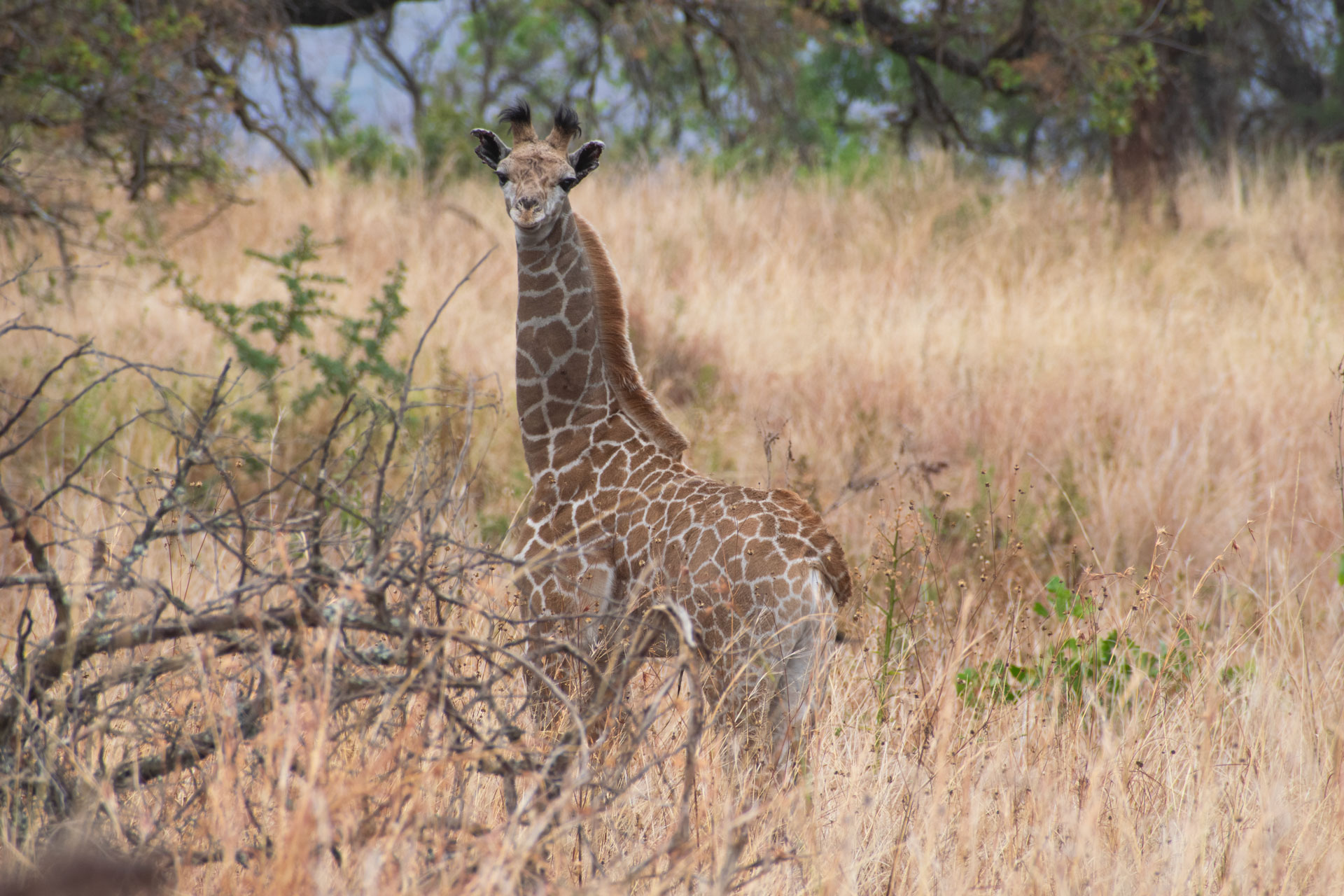
Akagera National Park has made a remarkable comeback and is now home to a diverse array of wildlife, including lions, rhinos, elephants, buffalo, and leopards. Boat safaris, game drives, and private helicopter transfers make it an exclusive safari gem.

  • Nyungwe Forest & Chimpanzees

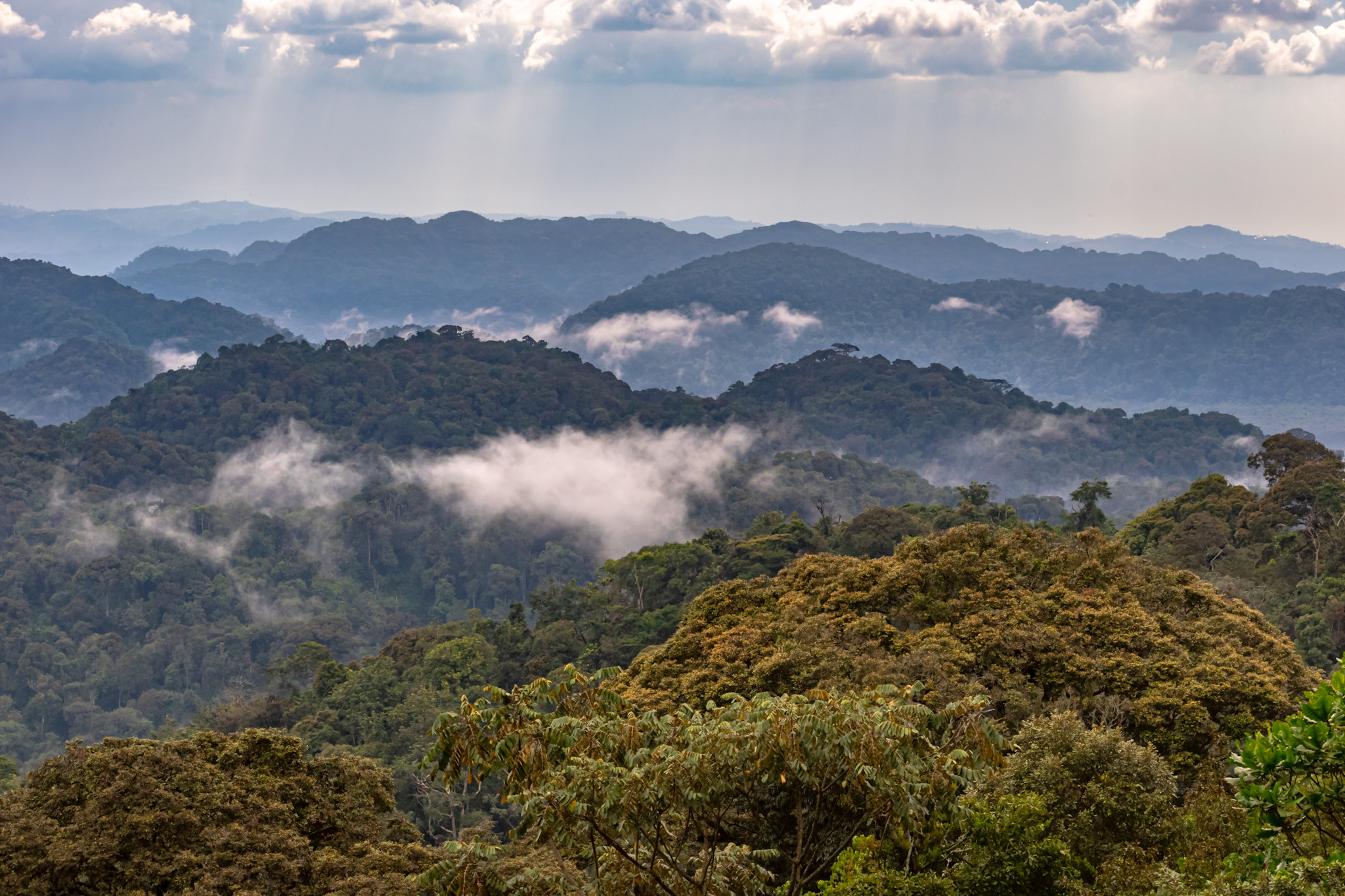
Walk across Africa’s highest canopy walkway and track chimpanzees in one of the continent’s oldest rainforests — home to over 13 primate species and hundreds of birds.

  • Vibrant Kigali

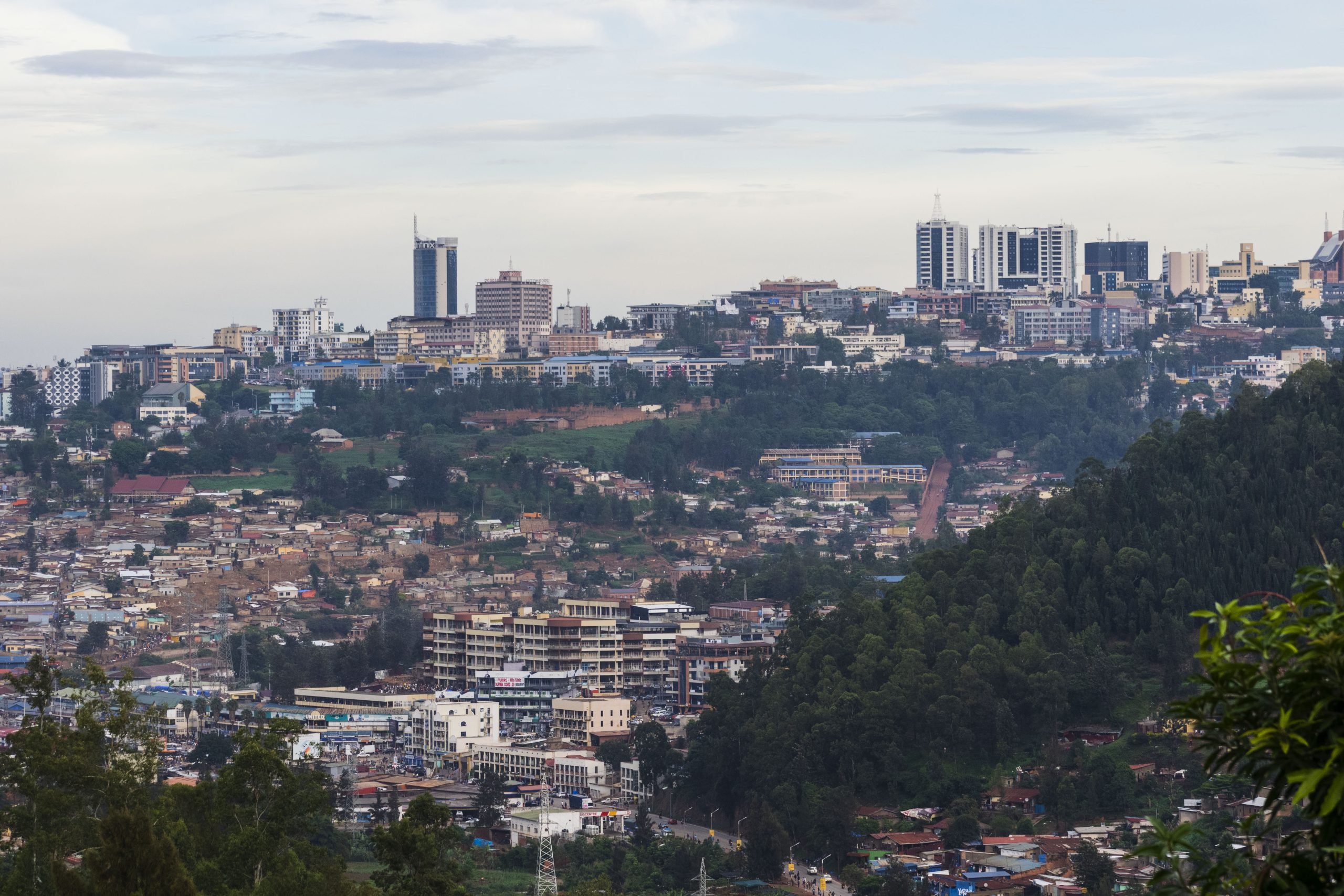
Clean, safe, and progressive — Kigali is not just a convenient entry point, but a destination in itself. Art galleries, coffee culture, markets, museums, and world-class hospitality all flourish here.

  • Cultural Encounters & Community Tourism

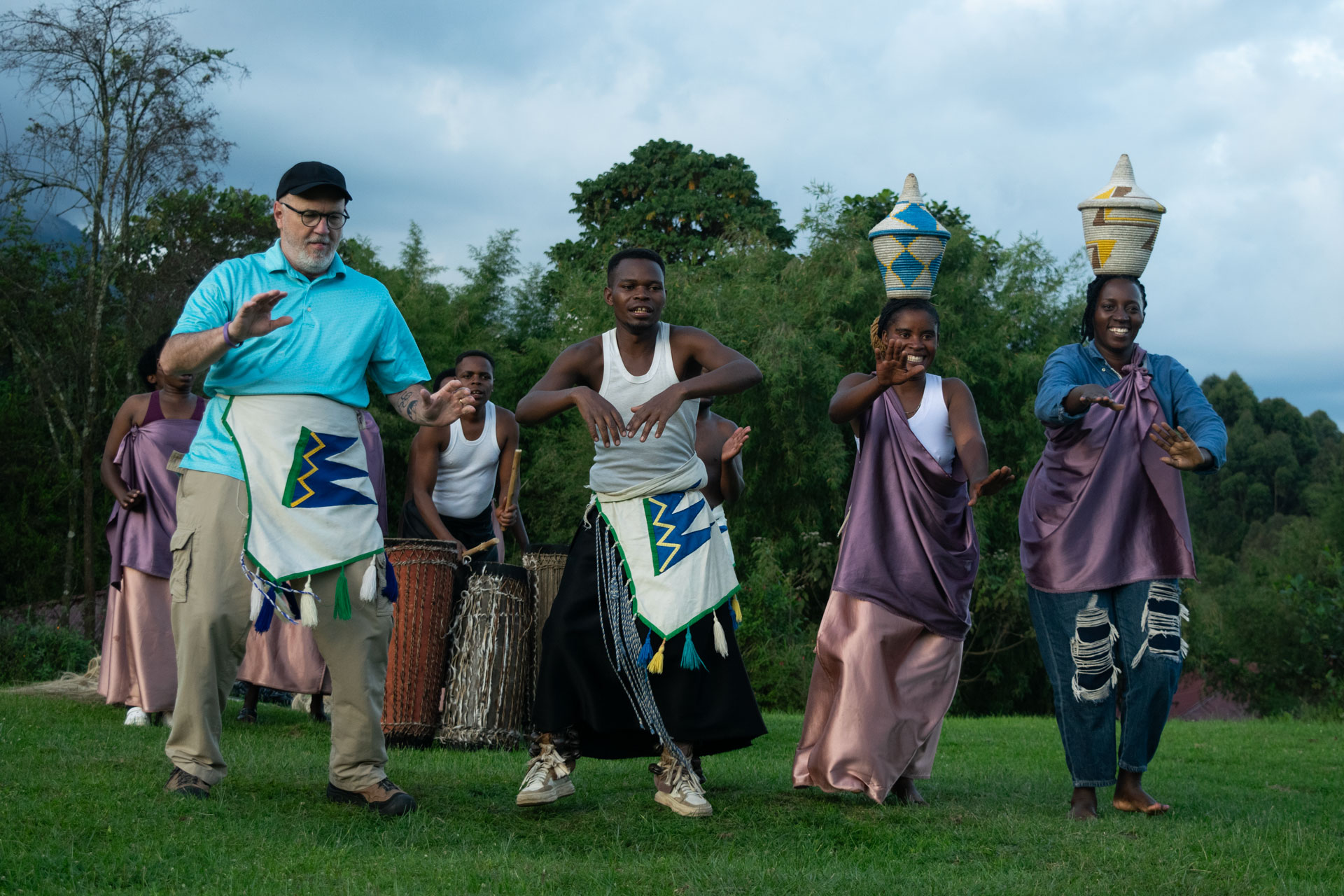
From traditional dance performances to village experiences around Musanze and local tea plantations, Rwanda’s cultural tourism is immersive, authentic, and community empowering.

The Perfect Blend of Luxury & Conservation

Rwanda is leading Africa in sustainable tourism and high-end, low-impact travel. With award-winning lodges like Singita, One&Only, and Wilderness Safaris, it offers luxury with purpose — where every visit directly contributes to conservation and community development.

Ideal For:

  • Gorilla trekking enthusiasts
  • Families & couples seeking a clean, safe, eco-conscious destination
  • Luxury safari lovers
  • Photographers & nature travellers
  • Travellers combining Kenya, Uganda, or Tanzania with Rwanda

Wild Compass Africa creates bespoke journeys across Rwanda — from luxury gorilla safaris to family adventures and honeymoon escapes.

Ready to explore Rwanda with us

EXPERIENCES

Rwanda Safari Experiences

{{brizy_dc_image_alt entityId=

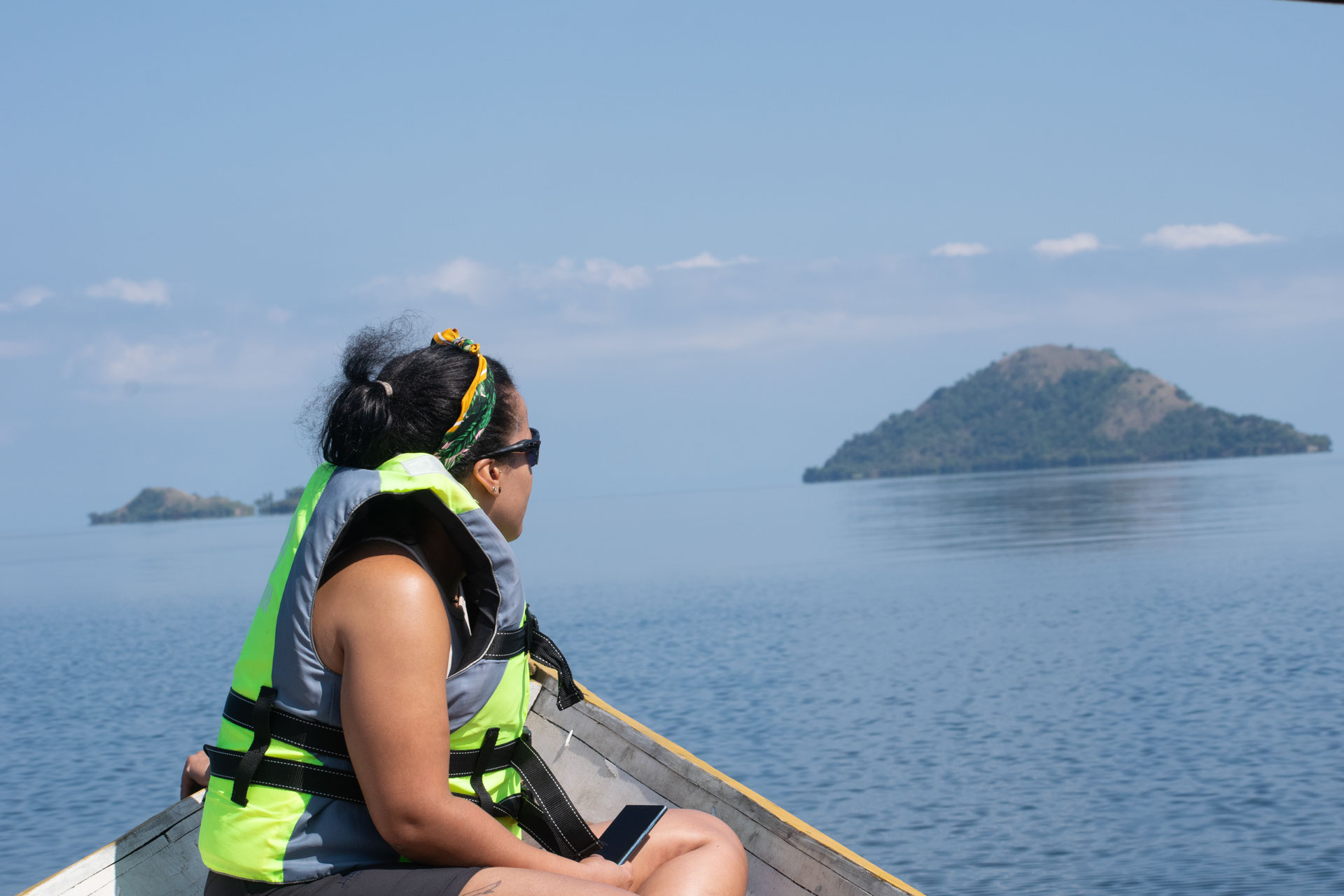
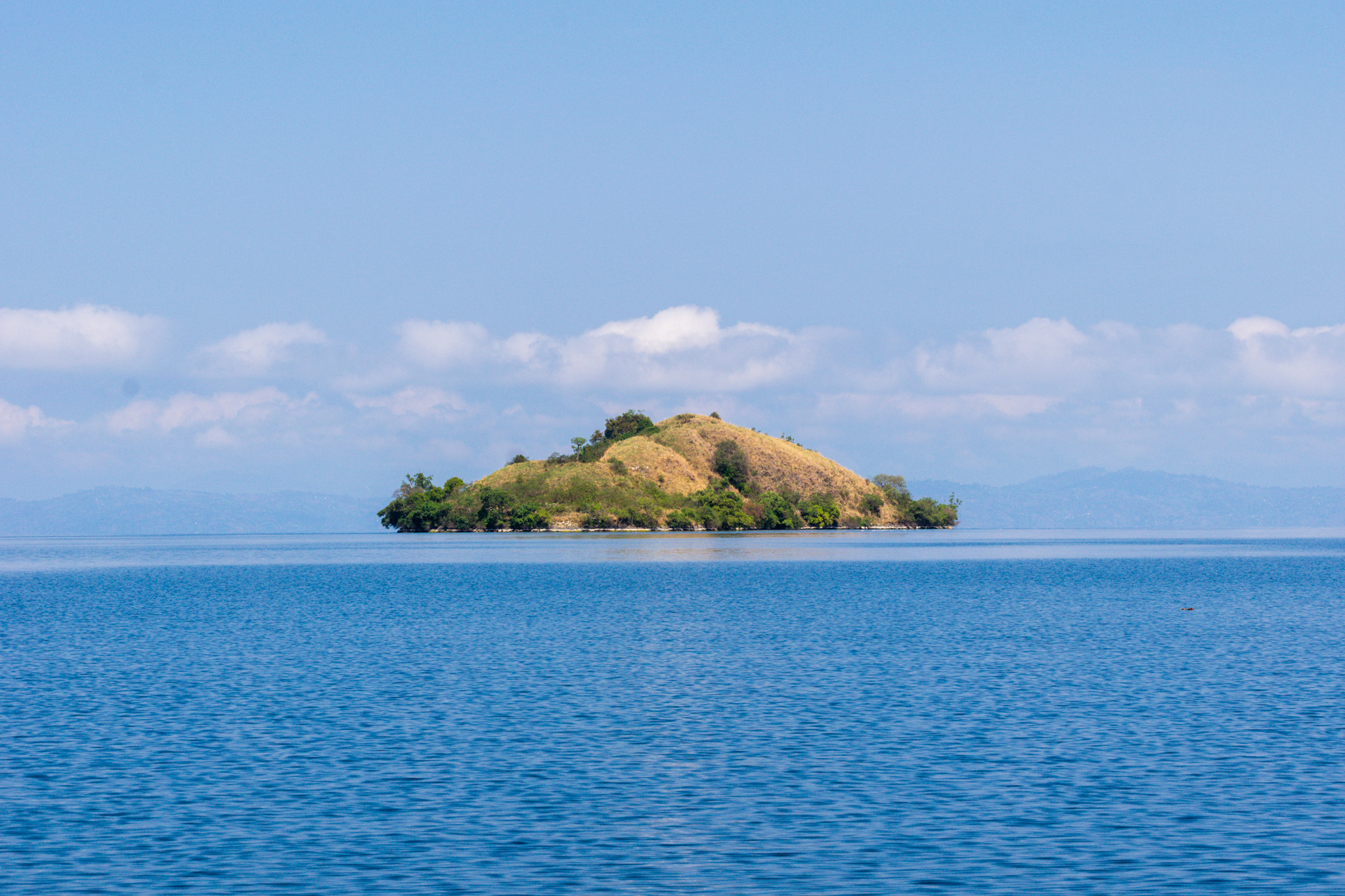
Lake Kivu – Rwanda’s Serene Lakeside Escape


{{brizy_dc_image_alt entityId=

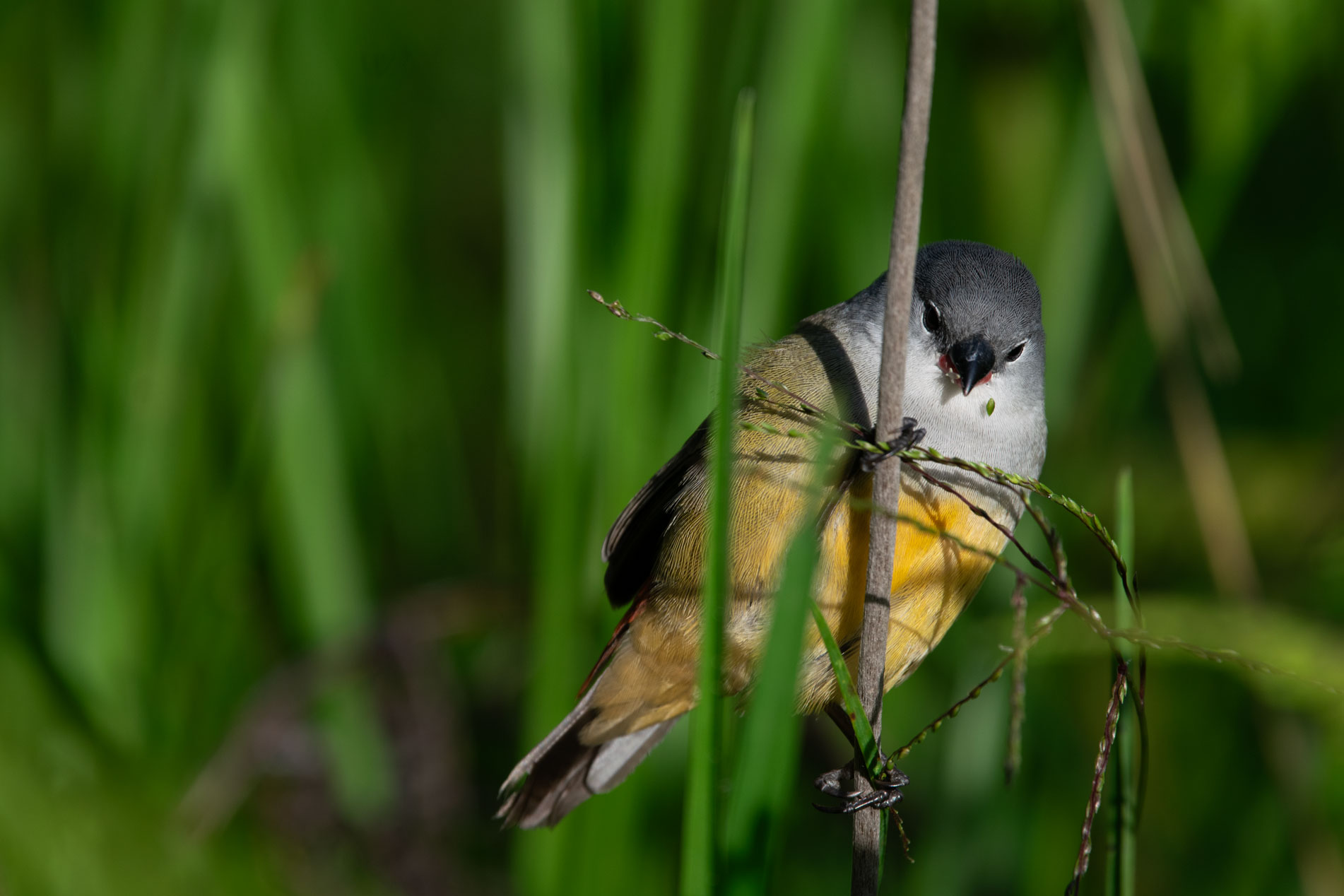
Birdwatching Across Rwanda


{{brizy_dc_image_alt entityId=

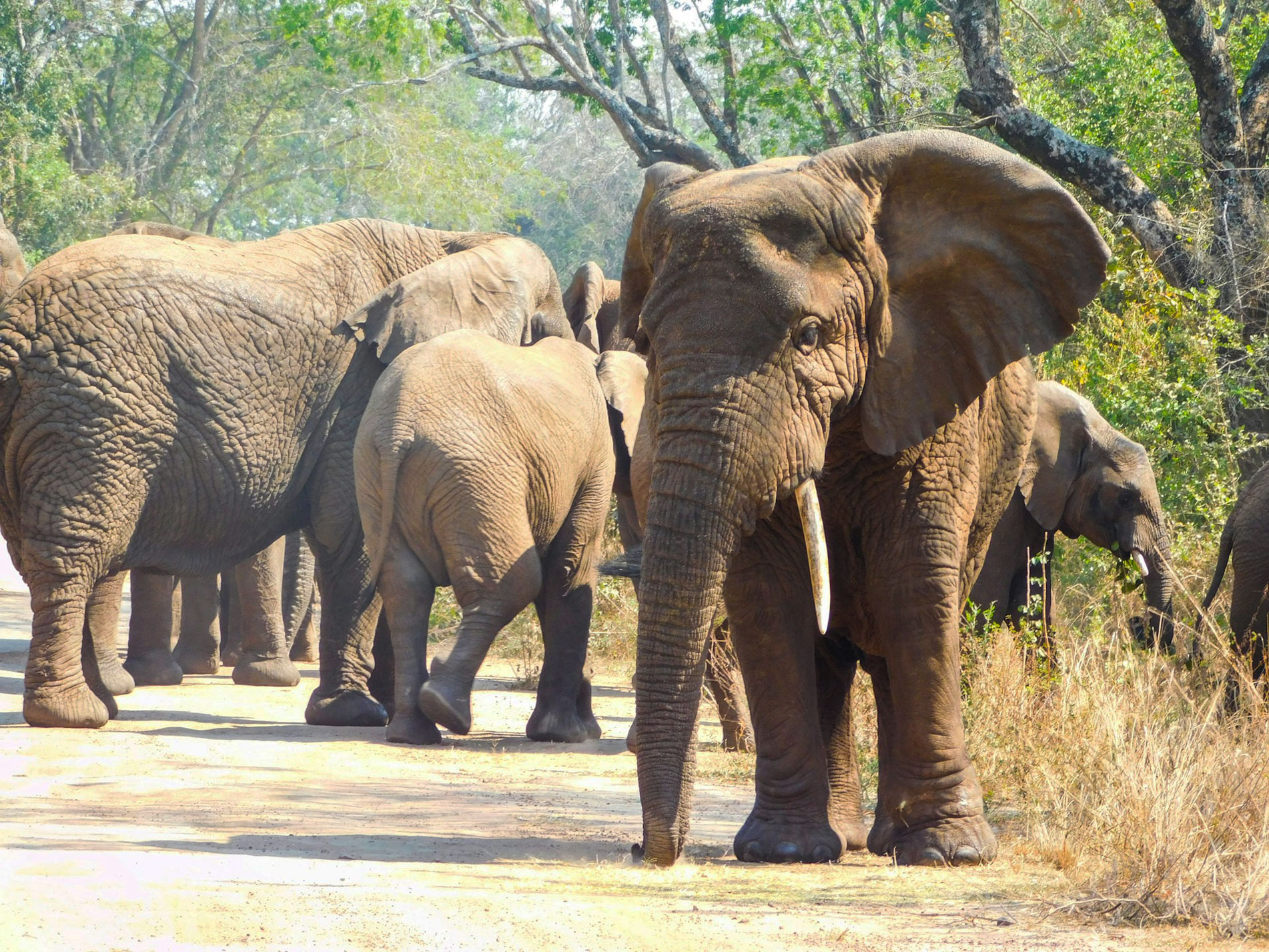
Big Five Safari in Akagera National Park


{{brizy_dc_image_alt entityId=

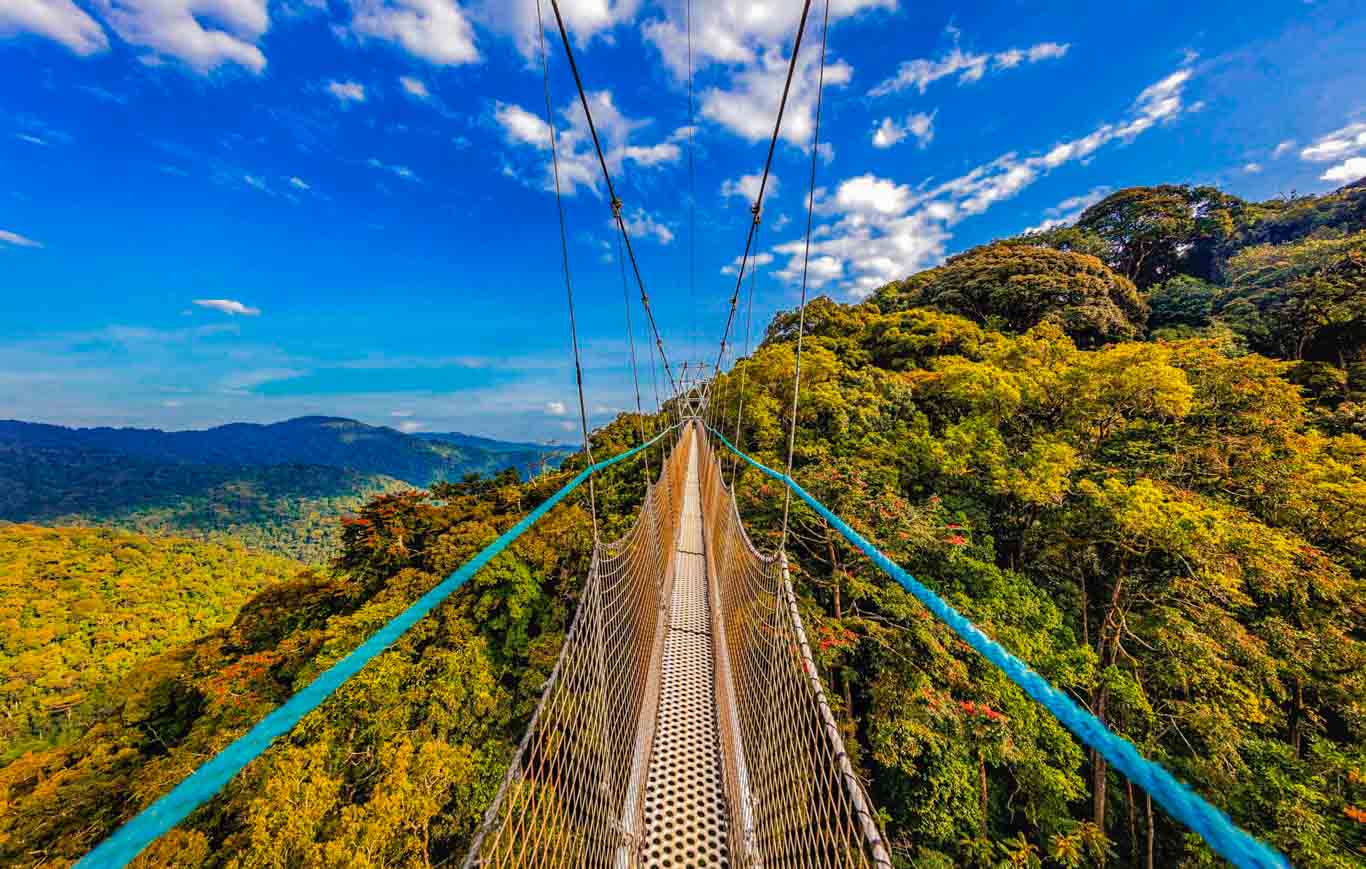
Nyungwe Forest Canopy Walk – Rwanda’s Ultimate Primate & Forest Adventure


{{brizy_dc_image_alt entityId=

Kigali – Rwanda’s Cleanest, Safest, and Most Inspiring Capital


{{brizy_dc_image_alt entityId=

Chimpanzee Tracking in Nyungwe


WHERE TO GO

Destinations to visit in Rwanda

{{brizy_dc_image_alt entityId=

Volcano Hikes & Scenic Mountains – Rwanda’s Majestic Highlands Adventure


{{brizy_dc_image_alt entityId=

Lake Kivu – Rwanda’s Serene Lakeside Escape


{{brizy_dc_image_alt entityId=

Nyungwe Forest National Park – Rwanda’s Ancient Rainforest of Primates & Canopy Walks


{{brizy_dc_image_alt entityId=

Akagera National Park – Rwanda’s Hidden Savannah Paradise


TRAVEL ADVICE

Travel Advice for Rwanda – The Land of a Thousand Hills with Wild Compass Africa

Rwanda, known as the “Land of a Thousand Hills”, is a pristine and welcoming safari destination. From majestic mountain gorillas in Volcanoes National Park to the serene shores of Lake Kivu, Rwanda offers a seamless safari experience for travelers seeking luxury, safety, and unforgettable encounters with nature.

Here’s everything Wild Compass Africa recommends you know before traveling.

Safety & Security

Rwanda is one of the safest countries in Africa for tourists. Its clean cities, friendly people, and well-maintained parks make it a stress-free destination for your safari.

  • Urban Safety: Kigali is known for low crime rates and cleanliness, but keep valuables secure.
  • National Parks: All safaris are guided by trained rangers and park authorities, ensuring visitor safety.
  • Wild Compass Africa Advantage: With our private drivers and 4×4 Land Cruisers, you enjoy secure and comfortable travel from arrival to departure.

 Tip: Follow your guide’s instructions during gorilla or primate trekking for your safety and to protect wildlife.

Health & Vaccinations

Rwanda is a high-altitude tropical country, so staying healthy ensures the best safari experience:

  • Yellow Fever: Required for travelers from endemic countries; advisable for all visitors.
  • Recommended Vaccinations: Hepatitis A & B, Typhoid, and Tetanus.
  • Malaria: Risk is moderate—use mosquito repellent and consult your doctor about prophylaxis.
  • Altitude: Volcanoes National Park (2,000–3,000 m) can feel cooler—pack light layers and stay hydrated.
  • Medical Facilities: Kigali has excellent hospitals; travel insurance with evacuation is recommended for trekking safaris.

Wild Compass Africa provides water bottles for refilling and safe food throughout your safari.

Entry Requirements

  • Visa: Most visitors require a Rwanda eVisa or can obtain a visa on arrival.
  • East Africa Tourist Visa: Covers Rwanda, Uganda, and Kenya, ideal for multi-country safaris.
  • Passport Validity: Must be valid for at least 6 months from the date of entry.

Wild Compass Africa can assist you with visa guidance during planning.

Best Times to Visit Rwanda

Rwanda is a year-round destination, but timing can enhance specific experiences:

  • Dry Season (June–September & December–February):
  • Best for gorilla trekking, wildlife photography, and scenic drives.
  • Green Season (March–May & October–November):
  • Lush landscapes, fewer tourists, and excellent birdwatching opportunities.

 Wild Compass Africa Tip: For the most comfortable trekking, travel in the dry season. Shoulder months are excellent for photography.

Wildlife & Safari Experiences

Rwanda is compact yet diverse, offering world-class wildlife adventures:

  • Gorilla Trekking in Volcanoes National Park – Meet the majestic mountain gorillas (Permit $1,500)
  • Golden Monkey Tracking – A lively, rare primate encounter in the bamboo forests
  • Chimpanzee Trekking in Nyungwe Forest – Home to rich primate diversity and canopy walks
  • Big Five at Akagera National Park – Lions, rhinos, elephants, leopards, and buffaloes
  • Scenic Relaxation – Lake Kivu offers beachside leisure and cultural encounters

Money & Tipping

  • Currency: Rwandan Franc (RWF); USD is widely accepted for tourism (newer bills preferred).
  • Cards & ATMs: Kigali has reliable ATMs; cards accepted in major lodges.
  • Tipping: Appreciated but not mandatory. Guides: $15–20/day; lodge staff: $5–10/day.

Cultural Etiquette

Rwanda has a rich cultural heritage and a strong sense of community:

  • Always greet locals politely; a handshake or a smile goes a long way.
  • Ask before photographing people or villages.
  • Dress modestly in towns; activewear or trekking gear is fine in national parks.
  • Learn a few words of Kinyarwanda or French—locals appreciate the effort.

Packing Tips for Rwanda

  • Light, breathable clothing in neutral colors
  • Layers for cool mornings and high-altitude treks
  • Sturdy hiking boots for gorilla and chimp tracking
  • Rain jacket or poncho—Rwanda’s forests are moist year-round
  • Insect repellent, sunscreen, hat, and reusable water bottle
  • Binoculars and a good camera for primates and birdlife

Why Choose Wild Compass Africa for Your Rwanda Safari?

Traveling with Wild Compass Africa ensures effortless adventure and premium service:

  • Expert local guides and rangers
  • 4×4 Land Cruisers with guaranteed window seats
  • Gorilla and primate permits secured in advance
  • Carefully selected lodges and eco-camps
  • Seamless multi-country safari planning with Uganda, Kenya, or Tanzania

We handle the logistics, permits, safety, and comfort, letting you focus on capturing the magic of Rwanda.

Quick Travel Checklist

  •  Book Gorilla & Primate permits (Gorilla: $1,500)
  •  Yellow Fever vaccination & travel insurance
  •  Valid passport & eVisa
  •  Pack layers, trekking gear, and neutral clothing
  •  Confirm itinerary with Wild Compass Africa

Rwanda Safari Packages

15 Day Rwanda Uganda luxury safari

3-Day Rwanda Gorilla Trekking Safari

6-Day Gorilla and Golden Monkey Tracking Safari – Rwanda & Uganda

7 Days Rwanda Classic Wildlife Safaris

6-Day Rwanda–Uganda Chimpanzee, Gorilla & Golden Monkey Safari

6-Day Rwanda & Uganda Classic Gorilla & Chimpanzee Safari

8-Day Uganda–Rwanda Gorilla, Golden Monkey & Mount Sabinyo Hiking Safari

2-Day Gorilla Trekking Adventure in Uganda

4-Day Golden Monkeys and Gorillas Safari in Rwanda & Uganda

4-Day Rwanda–Uganda Double Gorilla Trekking Safari

3-Day Akagera National Park Safari & Kigali City Tour

Tanzania Safaris

Journey of a lifetime

  • WHY GO
  • EXPERIENCES
  • WHERE TO GO
  • TRAVEL ADVICE
WHY GO

Imagine a place with endless grassy plains, the world’s most famous wildlife, and beaches with pure white sand. This place is Tanzania. It is the heart of Africa and a dream destination for any traveler.

Tanzania offers incredible adventures and peaceful rest, all in one country. If you want a trip you will never forget, Tanzania is the perfect choice.

Here are 10 simple and clear reasons why you should visit Tanzania.

See the Great Wildebeest Migration

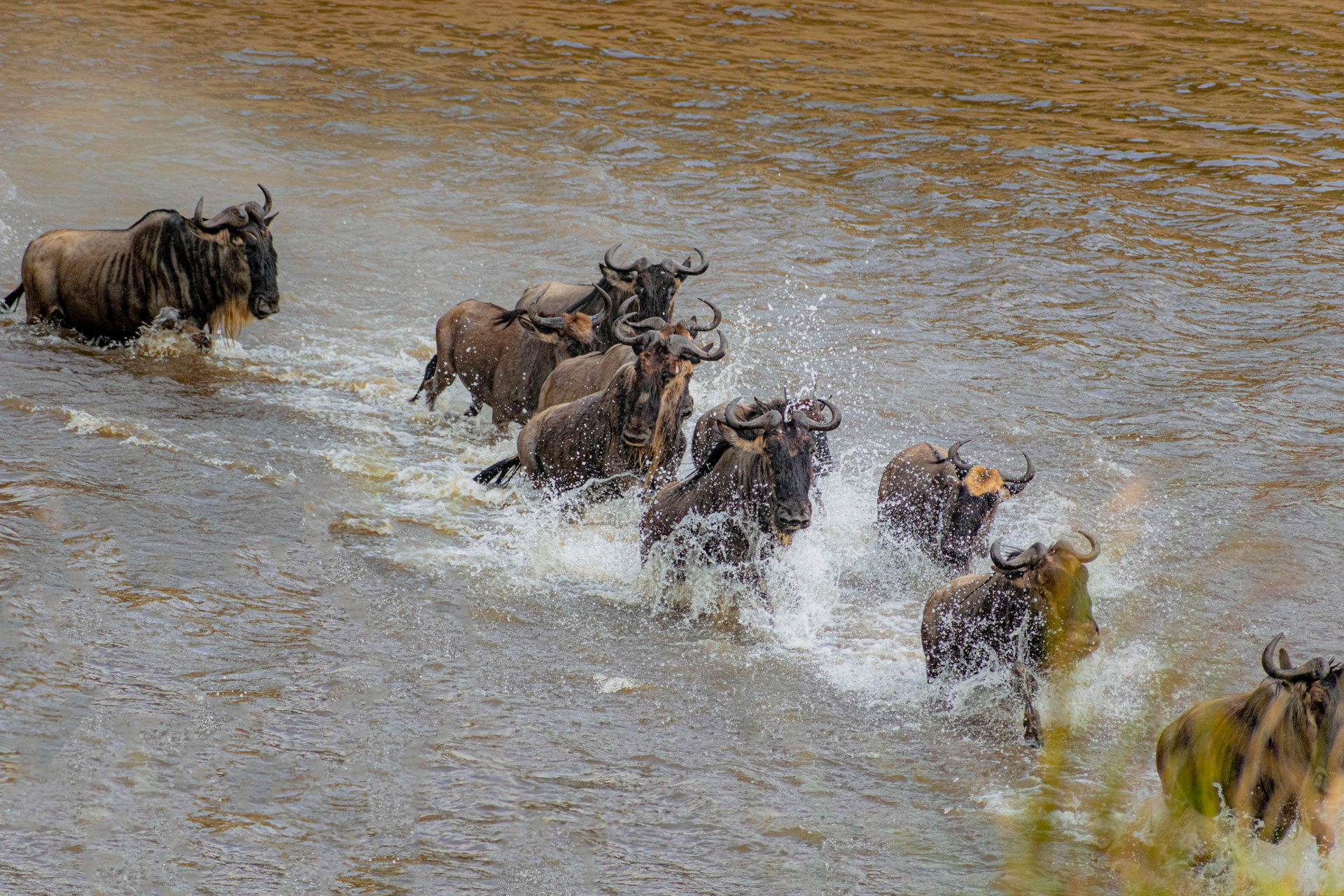
The Great Migration is the biggest and most amazing wildlife show on Earth. It is a must-see.

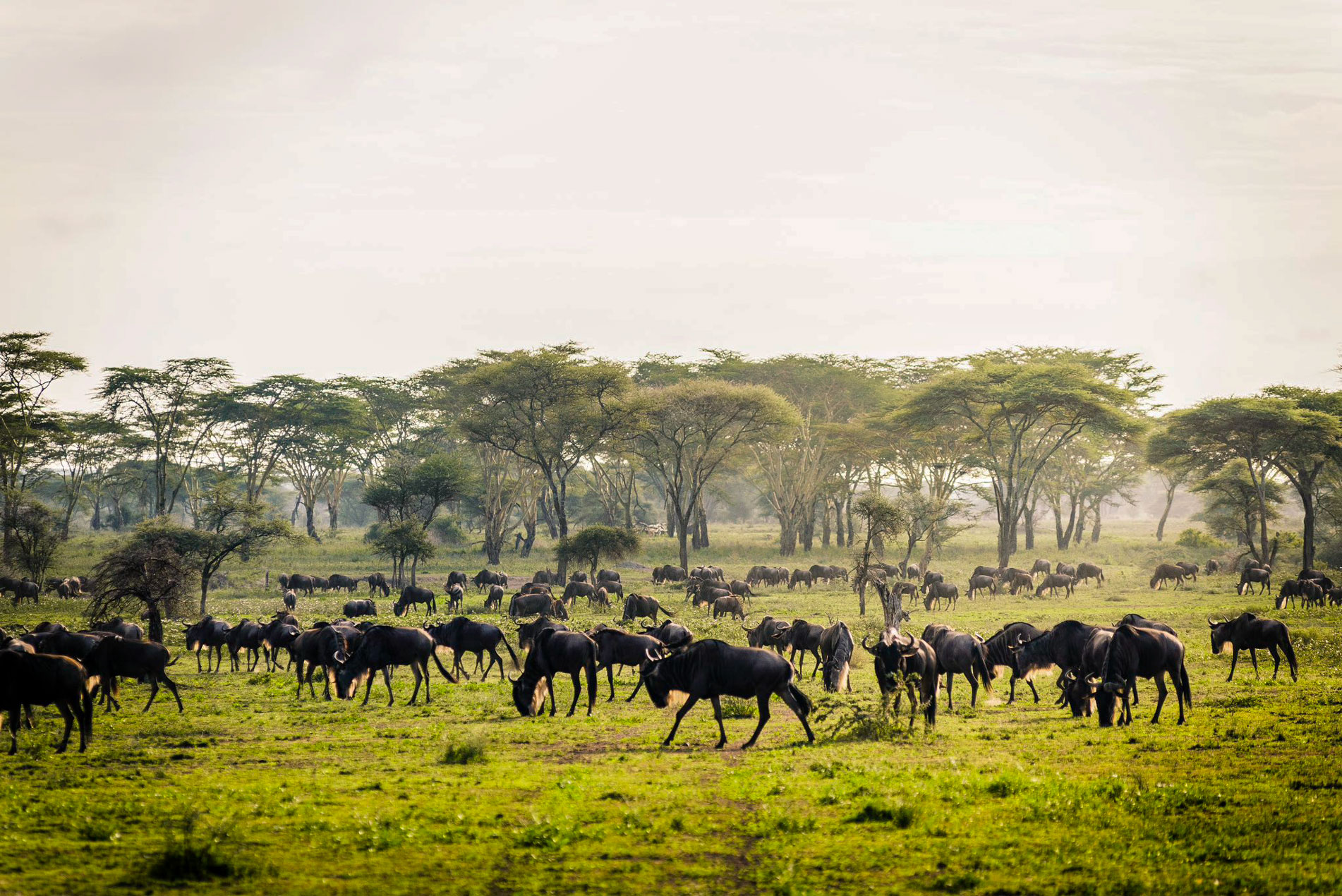
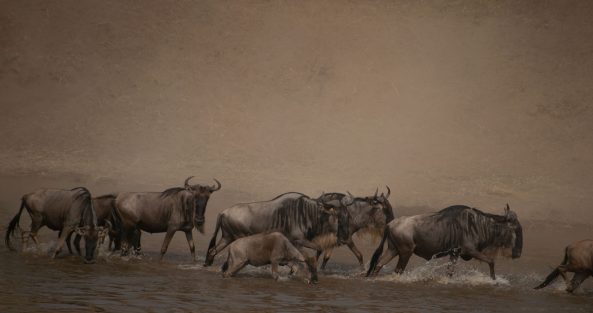
Picture this: More than one million wildebeest, plus hundreds of thousands of zebras and gazelles, move together across the vast plains of the Serengeti National Park. They are always moving, looking for fresh grass and water. This journey is a powerful story of survival.

  • Best Moments: Watch as the herds cross big rivers like the Grumeti and Mara, trying to avoid crocodiles. Or see thousands of baby wildebeest being born during the calving season (January to February).
  • Why It’s Special: You can see the migration at any time of the year. A good guide knows where the animals are and will take you to the best spots.

Go on an Amazing Safari in the Northern Parks

Tanzania’s Northern Circuit is world-famous for safaris. It has several amazing parks, and each one is different.

  • Serengeti National Park: The name means “endless plains.” This giant park is home to the Great Migration and the “Big Five” animals: lions, leopards, elephants, buffalo, and rhinos.
  • Ngorongoro Crater: This is a huge, unbroken bowl left by an ancient volcano. The crater floor is a green paradise filled with thousands of animals. It is one of the best places to see the rare black rhino.
  • Tarangire National Park: This park is famous for its giant baobab trees and huge herds of elephants. In the dry season, many animals gather by the Tarangire River, making it easy to see them.
  • Lake Manyara National Park: This park is famous for two special things: lions that climb trees and large flocks of pink flamingos that cover the lake.

Climb the Tallest Mountain in Africa

Mount Kilimanjaro is the highest mountain in Africa (5,895 meters / 19,341 feet). Its snowy peak rises high above the plains.

The best part about Kilimanjaro is that you can climb it without being a professional mountaineer. It is a walk, not a technical climb. As you hike up, you will pass through five different climate zones, from a warm rainforest to a cold, icy summit. Watching the sunrise from the top is a feeling you will never forget.

Relax on the Paradise Island of Zanzibar

After an exciting safari, Zanzibar is the perfect place to relax. It is a beautiful island with a rich history.

  • Stone Town: Walk through the narrow, winding streets of this historic town. It is a UNESCO World Heritage site where African, Arab, and European cultures meet. You can see old buildings, busy markets, and feel the island’s long history.
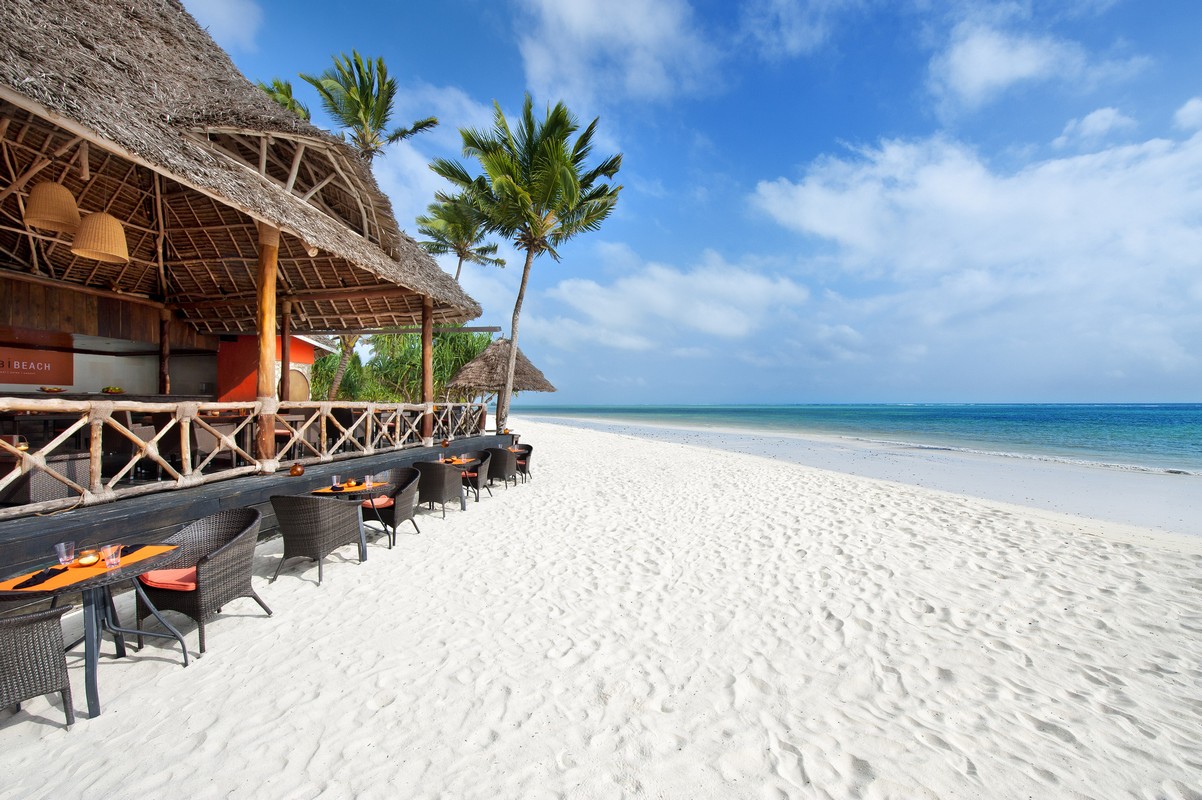
  • Perfect Beaches: Zanzibar has some of the world’s best beaches. The sand is soft and white, and the water is a clear, bright blue. Nungwi beach is lively, while Paje beach is quiet and peaceful.
  • Spice Farms: Zanzibar is also called the “Spice Island.” Take a tour of a farm to smell and taste fresh spices like cloves, vanilla, and cinnamon right from the plant.

Meet Friendly People and Learn About Culture

Tanzania has over 120 different tribes that live together in peace. A visit here is a chance to learn about their amazing cultures.

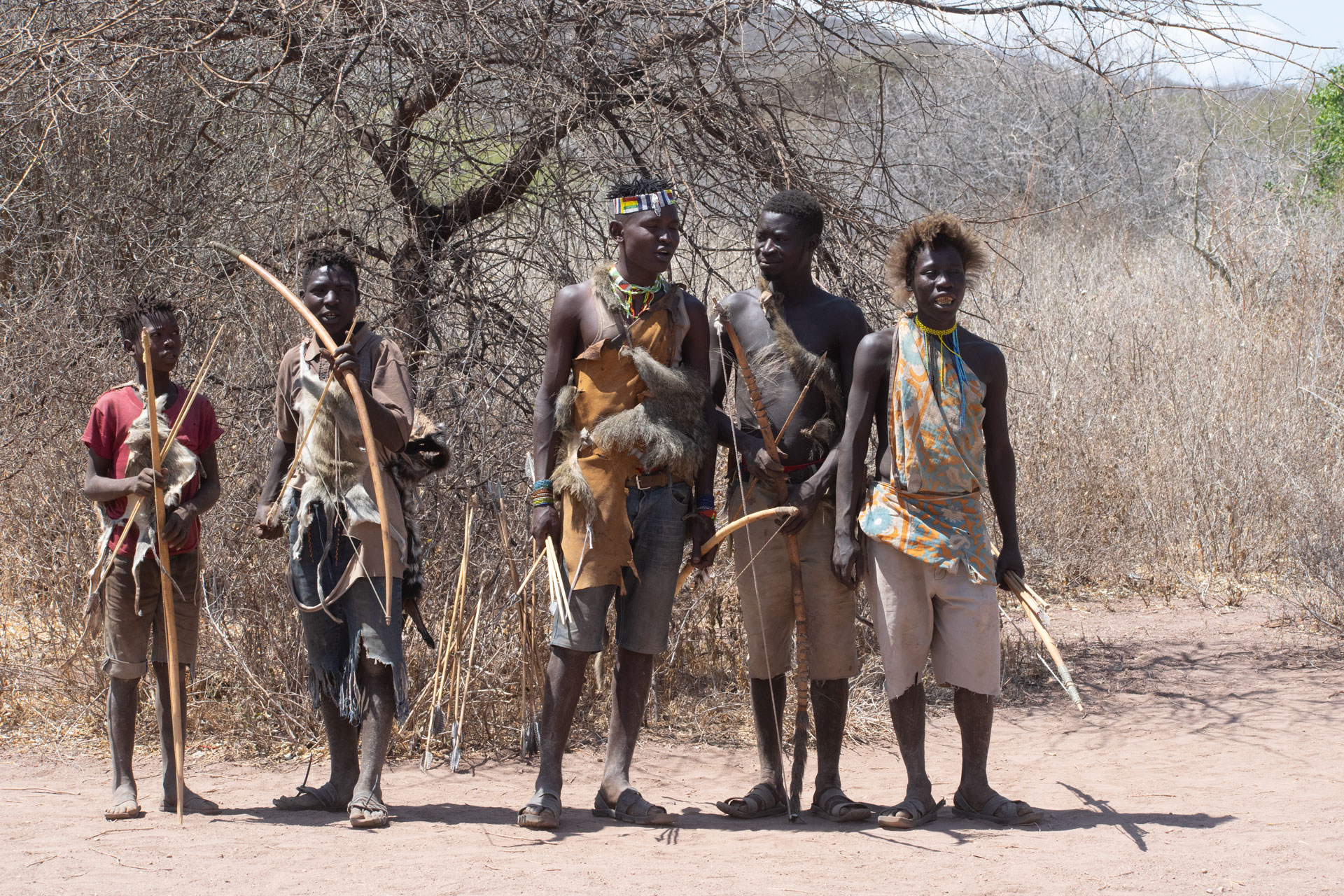
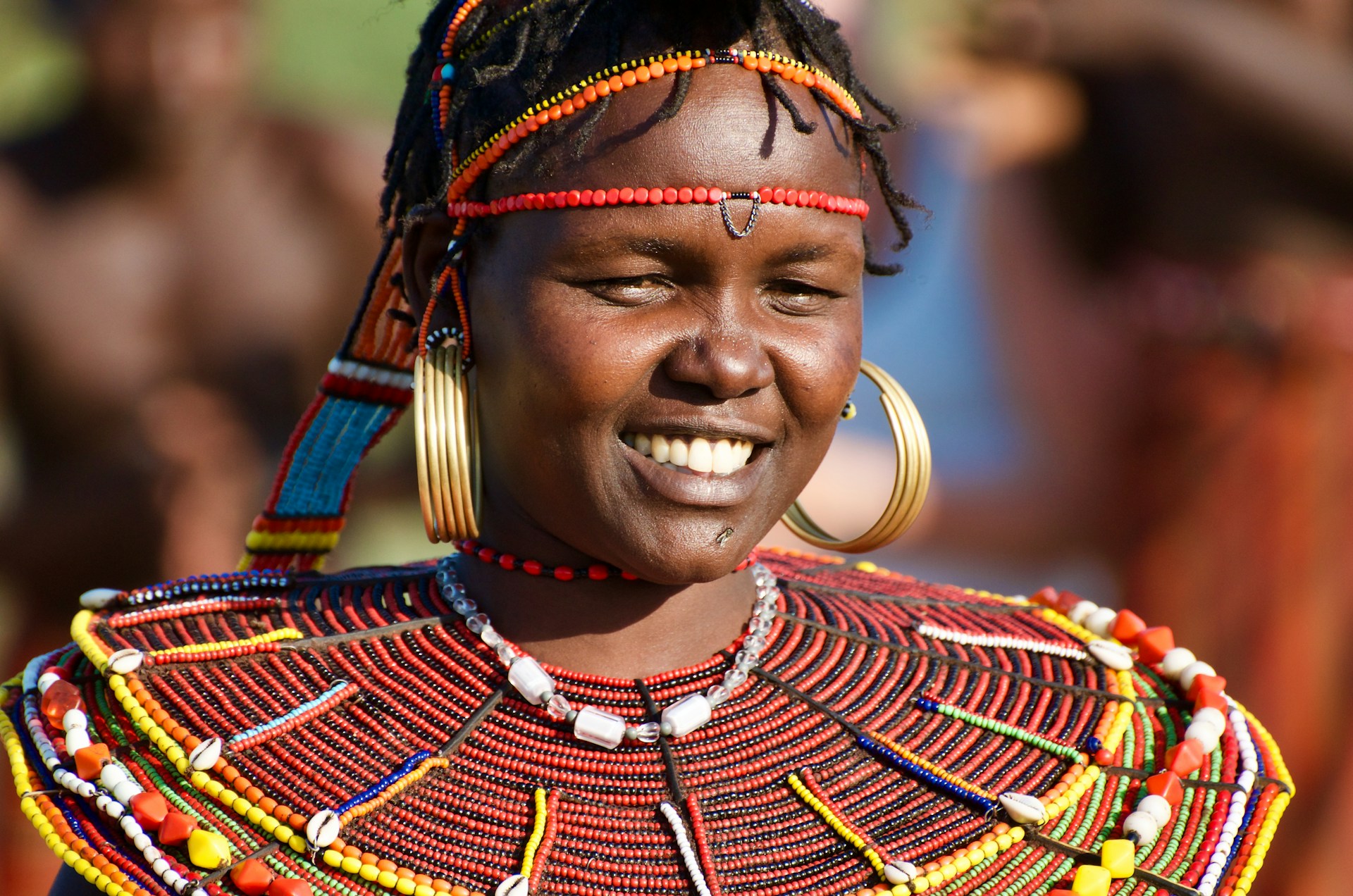
The most famous tribe is the Maasai. They are known for their bright red clothes and beautiful bead jewelry. You can visit a Maasai village to learn about their traditions. You can also meet the Hadzabe people, who are one of the last hunter-gatherer tribes in the world.

Explore the Wild and Quiet Southern Parks

If you want a safari with fewer people and a real feeling of wilderness, visit Tanzania’s southern parks.

  • Nyerere National Park (Selous): This is Africa’s biggest game reserve. Here, you can go on a boat safari on the Rufiji River and see hippos and crocodiles up close.
  • Ruaha National Park: This is a wild and beautiful park known for its large lion prides and big elephant herds. Because it is so remote, you will feel like you have the park all to yourself.

Discover Amazing Underwater Worlds

Tanzania’s coast is great for diving and snorkeling. The waters around Mafia Island and Pemba Island are full of colorful coral reefs and fish. From October to March, you can swim with the whale shark—the biggest fish in the ocean—near Mafia Island.

Support a Country That Protects Its Wildlife

Tanzania takes good care of its nature. Almost 40% of the country is protected as national parks and reserves. When you pay park fees, your money helps protect these beautiful places and the animals that live there. You can feel good knowing your trip helps conservation.

Visit at Any Time of the Year

Tanzania is a great destination all year round.

  • June to October (Dry Season): This is the best time to see animals. The grass is short, and animals gather around rivers and waterholes.
  • November to May (Green Season): The landscape is green and beautiful. There are fewer tourists, and prices are often lower. This is when the wildebeest have their babies.

Feel the Warm Welcome of “Karibu!”

The best thing about Tanzania is the people. They are warm, friendly, and welcoming. The word you will hear most is “Karibu!” which means “Welcome!” in Swahili. Tanzania is a safe and peaceful country, and its people will make your trip special.

EXPERIENCES
{{brizy_dc_image_alt entityId=

Grumeti River Crossing – The Ultimate Migration Safari Experience


{{brizy_dc_image_alt entityId=

Zanzibar Experiences


{{brizy_dc_image_alt entityId=

Walking Safari – Ngorongoro Highlands


{{brizy_dc_image_alt entityId=

Lake Eyasi Cultural Safari – Meet the Hadzabe and Datoga Communities


{{brizy_dc_image_alt entityId=

The Great Wildebeest Migration – Serengeti & Masai Mara


{{brizy_dc_image_alt entityId=

Bird Watching in Tarangire National Park


{{brizy_dc_image_alt entityId=

Maasai Cultural Experience – A Journey into East Africa’s Traditions


{{brizy_dc_image_alt entityId=

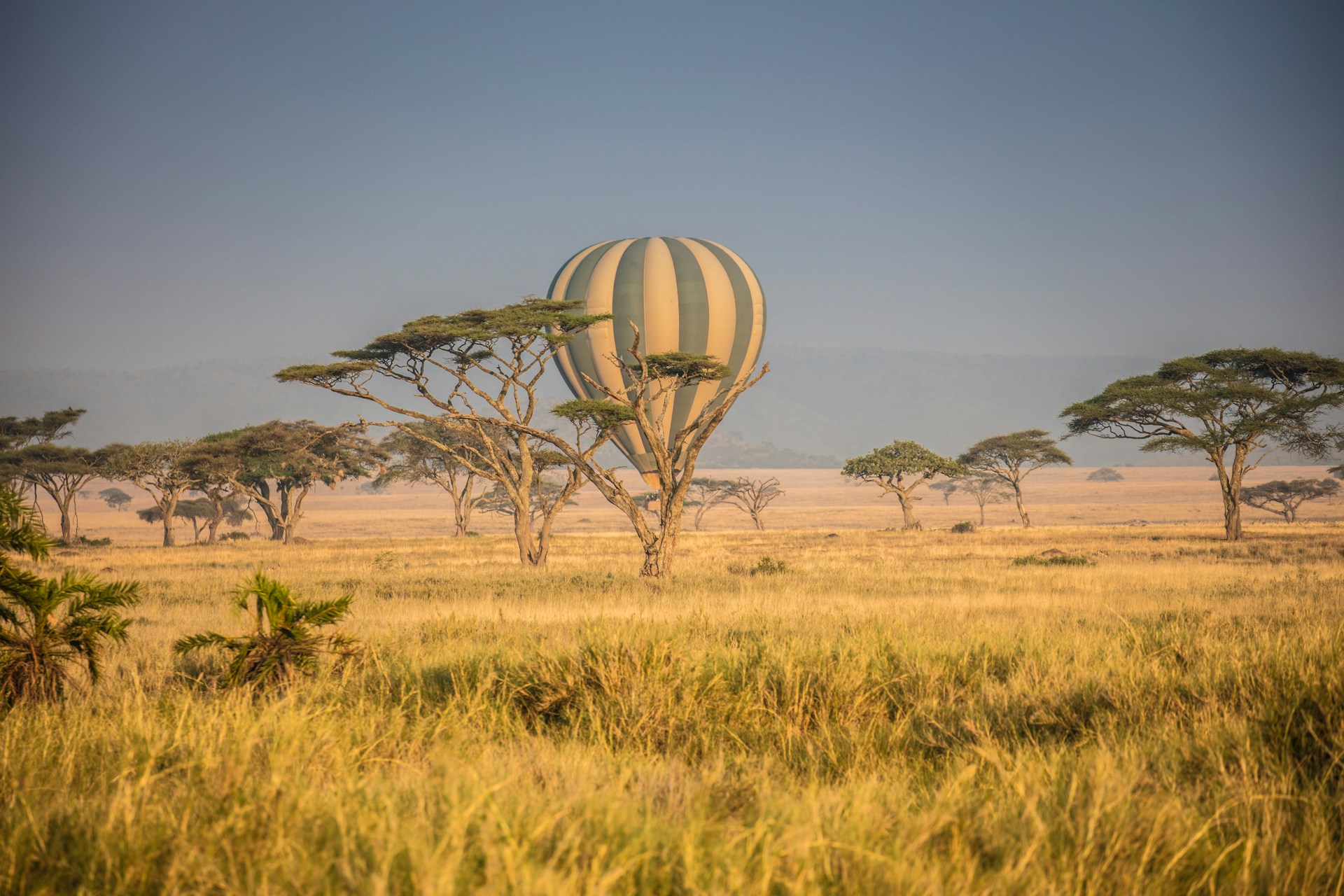
Hot Air Balloon Safari in Serengeti National Park


WHERE TO GO

Destinations to visit in Tanzania

{{brizy_dc_image_alt entityId=

Arusha National Park


{{brizy_dc_image_alt entityId=

Grumeti Conservancy – The Western Serengeti’s Private Wilderness


{{brizy_dc_image_alt entityId=

Ol Doinyo Lengai – The Sacred Mountain of God


{{brizy_dc_image_alt entityId=

Ndutu – The Heart of the Southern Serengeti


{{brizy_dc_image_alt entityId=

Lake Eyasi – Gateway to the Hadza Hunter-Gatherers


{{brizy_dc_image_alt entityId=

Mto wa Mbu – A Cultural Gateway to Northern Tanzania


{{brizy_dc_image_alt entityId=

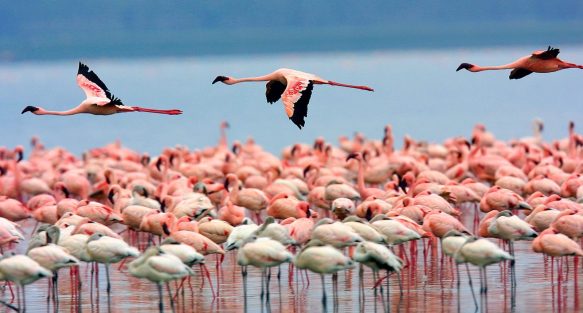
Lake Natron – The Flamingo Paradise of Northern Tanzania


{{brizy_dc_image_alt entityId=

Ngorongoro Conservation Area


{{brizy_dc_image_alt entityId=

Mafi Serengeti – The Untouched Northern Plains of Tanzania


{{brizy_dc_image_alt entityId=

Nyerere National Park


{{brizy_dc_image_alt entityId=

Mount Kilimanjaro


{{brizy_dc_image_alt entityId=

Lake Manyara National Park


{{brizy_dc_image_alt entityId=

Shompole Conservancy – The Hidden Gem Near the Serengeti


{{brizy_dc_image_alt entityId=

Olduvai Gorge – The Cradle of Humankind


{{brizy_dc_image_alt entityId=

Visiting Momella Lake in Arusha National Park


{{brizy_dc_image_alt entityId=

The Gombe Stream National Park


{{brizy_dc_image_alt entityId=

Rubondo Island National Park


{{brizy_dc_image_alt entityId=

Ruaha National Park


{{brizy_dc_image_alt entityId=

Tarangire National Park


{{brizy_dc_image_alt entityId=

Zanzibar


TRAVEL ADVICE

Travel Advice for Tanzania – The Great Migration & Beyond with Wild Compass Africa

Tanzania is a dream safari destination, home to Serengeti National Park, the Ngorongoro Crater, and the pristine islands of Zanzibar. With Wild Compass Africa, you can experience Big Five safaris, the Great Migration, and cultural encounters in comfort and safety.

Here’s everything you need to know before traveling to Tanzania.

Safety & Security

Tanzania is tourist-friendly and secure, especially in national parks and coastal resorts.

• Safari Areas: Serengeti, Ngorongoro, Tarangire, and Manyara are well protected with active ranger presence.

• Cities & Towns: Exercise caution in Arusha, Dar es Salaam, and Zanzibar’s Stone Town—avoid walking alone at night and keep valuables safe.

Guided Advantage: Traveling with Wild Compass Africa ensures all transfers, safaris, and excursions are in private, secure 4×4 Land Cruisers with professional guides.

Tip: Listen to your guide at all times in wildlife areas and avoid handling local currency openly in busy markets.

Health & Vaccinations

Tanzania is a tropical country, so preparing for health and safety ensures a smooth safari:

• Yellow Fever: Required if arriving from or transiting through endemic countries; advisable for all travelers.

• Recommended Vaccinations: Hepatitis A & B, Typhoid, Tetanus, and Polio boosters.

• Malaria: Safari regions are malaria zones—use insect repellent and consult your doctor for prophylaxis.

• Medical Facilities: Major cities have hospitals, but remote parks rely on local clinics. Travel insurance with medical evacuation coverage is essential.

Wild Compass Africa provides bottled water throughout your safari.

  Entry Requirements

• Visa: Most visitors need a Tanzania tourist visa, available online (eVisa) or on arrival.

• East Africa Tourist Visa: Valid for Kenya, Uganda, and Rwanda (not Tanzania). If combining with Tanzania, separate visas are required.

• Passport Validity: Minimum 6 months beyond your travel dates.

Best Time to Visit Tanzania

Tanzania is a year-round safari destination, but certain seasons enhance specific experiences:

• Dry Season (June–October):

 Best wildlife viewing in Serengeti, Ngorongoro, and Tarangire.

 Prime time for the Great Migration river crossings (July–September).

• Short Dry Season (January–February):

 Excellent for the wildebeest calving season in southern Serengeti.

• Green Seasons (November & March–May):

 Lush scenery, fewer tourists, and great for birdwatching and photography.

Wild Compass Africa Tip: Plan your safari around the Great Migration for iconic wildlife photography.

Wildlife & Safari Highlights

Tanzania is a Big Five country and a UNESCO World Heritage hub. With Wild Compass Africa, you can experience:

• Serengeti National Park: Great Migration, lions, cheetahs, and endless plains

• Ngorongoro Crater: Dense wildlife and spectacular caldera landscapes

• Tarangire National Park: Giant elephant herds and baobab-studded scenery

• Lake Manyara: Famous tree-climbing lions and flamingos

• Zanzibar & Indian Ocean Islands: Pristine beaches, spice tours, and marine life

Money & Tipping

Currency: Tanzanian Shilling (TZS); USD is widely accepted for tourism (newer bills preferred).

 Cards & ATMs: Available in major towns and some lodges; rural parks are cash only.

Tipping Guidelines:

 Guides & Drivers: $15–20 per guest per day

Lodge Staff: $5–10 per guest per day

Cultural Etiquette

Tanzania is culturally diverse with over 120 tribes, including the Maasai, Chaga, and Sukuma. Respectful interaction is key:

• Dress modestly in towns and villages; beach resorts and safari lodges are more relaxed.

• Always ask permission before photographing people.

• Learn a few Swahili words—“Jambo” (hello) and “Asante” (thank you) go a long way.

Packing Tips for a Tanzania Safari

• Neutral colored safari clothing (avoid white or bright colors)

• A warm layer for early morning drives in Ngorongoro

• Comfortable walking shoes or boots

• Sunscreen, hat, and insect repellent

• Binoculars and a good camera with a zoom lens

• Swimwear for lodge pools or Zanzibar beaches

Why Travel with Wild Compass Africa?

By booking your Tanzania safari with Wild Compass Africa, you enjoy:

• Expert local guides with deep knowledge of wildlife and the Great Migration

• Private 4×4 Land Cruisers with guaranteed window seats for all travelers

• Seamless itineraries combining Serengeti, Ngorongoro, Tarangire, and Zanzibar

• Hand-picked luxury lodges, tented camps, and boutique resorts

• Complete support for all logistics, permits, and park entries

We handle the details; you focus on the adventure of a lifetime.

Quick Travel Checklist

• Tanzania visa (or eVisa) approved

• Yellow Fever vaccination (if applicable)

• Malaria prophylaxis and travel insurance

• Confirm the Great Migration season for your itinerary

• Pack safari gear and neutral colored clothing

• Confirm your itinerary with Wild Compass Africa

Tanzania Safari Packages

10 Day Tanzania Wildebeest Migration Classic Safari


17 Day Kenya & Tanzania Classic Adventure


11-Day Classic Northern Tanzania Safari


11-Day Classic Northern Tanzania Safaria15-Day Kenya & Tanzania Signature Safari: Big Cats, Great Migration & Iconic Landscapes


18 Days Kenya & Tanzania Safari Adventure


14-Day Kenya, Tanzania & Uganda Safari Plus Zanzibar Extension


11-Day Classic Northern Tanzania Safari Tarangire, Serengeti and West Kilimanjaro Adventure


15-Day Kenya and Tanzania Signature Safari: Big Cats and Great Migration


5 Day Serengeti & Ngorongoro Big 5 Safari


12-Day Serengeti, Ngorongoro Crater & Hadza Tribe Cultural Experience


7-Day Serengeti, Ndutu & Ngorongoro Photography Safari


7 Day Serengeti, Ndutu and Ngorongoro Photography Safari


Authentic

Wilderness Experiences

  • WHY GO
  • EXPERIENCES
  • WHERE TO GO
  • TRAVEL ADVICE
WHY GO

Why Visit Kenya?

{{brizy_dc_image_alt imageSrc=

A Land of Timeless Beauty, Untamed Wildlife, and Deep Cultural Heritage

Kenya is not just a destination—it is a feeling, an awakening, and a deeply immersive journey into the soul of Africa. Located along the eastern edge of the continent, Kenya offers one of the most diverse and rewarding travel experiences anywhere in the world. From the legendary savannahs of the Maasai Mara to the snow-capped peaks of Mount Kenya, from vibrant modern cities to ancient Swahili towns along the Indian Ocean coast, the country unfolds as a rich tapestry of landscapes, cultures, and wildlife.

Whether you are seeking iconic safaris, meaningful cultural encounters, adventure travel, or serene beach escapes, Kenya delivers a powerful sense of place that lingers long after the journey ends.

Witness the Greatest Wildlife Show on Earth – The Great Wildebeest Migration

Kenya’s Maasai Mara National Reserve is world-renowned for hosting one of nature’s most dramatic spectacles—the Great Wildebeest Migration. Each year, between July and October, over 1.5 million wildebeest, accompanied by zebras and gazelles, surge across the plains in search of fresh grazing.

The highlight of this epic journey is the Mara River crossing, where herds plunge into crocodile-infested waters while predators lie in wait along the riverbanks. The tension, chaos, and raw beauty of these moments capture the essence of Africa’s wilderness. Witnessing the migration in Kenya is not just about seeing wildlife—it is about observing survival unfold in real time.

World-Class Safari Experiences Year-Round

Beyond the migration season, Kenya offers exceptional safari experiences throughout the year, with diverse ecosystems supporting abundant wildlife.

  • Amboseli National Park – Famous for its vast elephant herds set against the iconic backdrop of Mount Kilimanjaro.
  • Lake Nakuru National Park – Known for flamingos, endangered black and white rhinos, and rich birdlife.
  • Samburu National Reserve – A rugged, semi-arid landscape home to rare species such as Grevy’s zebra, reticulated giraffe, and gerenuk.
  • Tsavo East & Tsavo West National Parks – Expansive wilderness areas with dramatic terrain, lava flows, waterfalls, and red-dust elephants.

Kenya’s safari experience is elevated by highly trained local guides, well-managed conservancies, open-vehicle game drives, walking safaris, and night drives—offering deeper wildlife encounters beyond traditional park boundaries.

Kenya’s Coastline & Indian Ocean Escapes

Few countries in Africa allow travelers to seamlessly combine a classic safari with a tropical beach escape, and Kenya does this exceptionally well.

The Kenyan coast stretches along the Indian Ocean and is home to some of East Africa’s most beautiful beaches:

  • Diani Beach – Powder-white sands and turquoise waters
  • Watamu & Malindi – Coral reefs, marine parks, and laid-back charm
  • Lamu Island – A UNESCO World Heritage Site steeped in Swahili culture and history

Here, travelers can snorkel, dive, sail on traditional dhows, or simply unwind after a safari. Lamu’s narrow streets, ancient architecture, and Swahili traditions offer a cultural depth rarely found in beach destinations.

Deep Cultural Heritage & Living Traditions

Kenya is a cultural mosaic, home to over 40 ethnic communities, each with distinct languages, traditions, and histories. The Maasai and Samburu, known for their vibrant attire and strong pastoral traditions, remain deeply connected to the land and wildlife.

Respectful, guided cultural visits provide insight into traditional lifestyles while supporting community livelihoods. In contrast, cities like Nairobi and Mombasa showcase Kenya’s modern identity through contemporary art, music, fashion, and cuisine—revealing a country that honors its past while embracing the future.

Mount Kenya – Adventure in the African Highlands

Rising dramatically above the surrounding plains, Mount Kenya is Africa’s second-highest peak and a UNESCO World Heritage Site. Its jagged summits, alpine meadows, glacial lakes, and forested slopes create one of the continent’s most scenic trekking destinations.

Unlike Mount Kilimanjaro, Mount Kenya offers multiple routes, fewer crowds, and richer ecological diversity, with chances to spot colobus monkeys, bushbucks, and high-altitude bird species along the way. It is ideal for trekkers seeking both challenge and solitude.

A Birdwatcher’s Dream Destination

With over 1,100 recorded bird species, Kenya ranks among the top birding destinations globally. From flamingo-filled soda lakes such as Lake Bogoria, to the wetlands of Lake Naivasha, to the rainforests of Kakamega, birdlife thrives across varied habitats.

Whether you are an experienced birder or a casual wildlife enthusiast, Kenya offers remarkable avian diversity year-round.

Conservation & Community-Led Tourism

Kenya is a global leader in community-based conservation. Private conservancies such as Ol Pejeta demonstrate how responsible tourism can protect endangered species—like rhinos—while directly supporting local communities through education, healthcare, and sustainable livelihoods.

Traveling in Kenya means becoming part of a conservation story, where tourism plays an active role in preserving wildlife and landscapes for future generations.

Kenyan Cuisine & Local Flavors

Kenya’s culinary scene reflects its cultural diversity. From roadside nyama choma (grilled meat) and freshly made chapati, to aromatic coastal curries influenced by Swahili and Indian traditions, food is an essential part of the experience.

Pair a cup of world-class Kenyan coffee with misty highland views, or enjoy a cold Tusker beer as the sun sets over the savannah—simple moments that define the rhythm of travel here.

Easy to Explore & Traveler-Friendly

Kenya offers one of Africa’s most developed tourism infrastructures. Nairobi serves as a major international hub with excellent flight connections, while domestic flights, guided safaris, and high-quality lodges make travel smooth and accessible.

English is widely spoken, guides are highly professional, and the country is well-suited for both first-time visitors and seasoned Africa travelers.

Who Kenya Is Perfect For

Kenya is an ideal destination for:

  • First-time safari travelers
  • Honeymooners and couples
  • Families seeking educational wildlife experiences
  • Photographers and filmmakers
  • Adventure and trekking enthusiasts
  • Culture-focused travellers

A Land That Touches the Soul

More than its landscapes or wildlife, it is Kenya’s spirit that leaves the deepest impression. It lives in the warmth of its people, the thrill of lions at dawn, the silence of a Samburu sunset, and the gentle sway of dhows along the coast.

Kenya is not just a place you visit—it is a place that stays with you, calling you back long after the journey ends.

EXPERIENCES
{{brizy_dc_image_alt entityId=

The Great Wildebeest Migration – Nature’s Most Breathtaking Journey


{{brizy_dc_image_alt entityId=

Hot Air Balloon Safaris in Masai Mara, Kenya


{{brizy_dc_image_alt entityId=

Game Drives in Masai Mara National Reserve


WHERE TO GO

Destinations to visit in Kenya

{{brizy_dc_image_alt entityId=

Aberdare National Park Safari | Wildlife, Birding & Hiking Adventures


{{brizy_dc_image_alt entityId=

Amboseli National Park – Kenya’s Iconic Elephant & Savannah Destination


{{brizy_dc_image_alt entityId=

Buffalo Springs, Shaba & Samburu National Reserves – Northern Kenya’s Wildlife and Cultural Haven


{{brizy_dc_image_alt entityId=

Meru National Park


{{brizy_dc_image_alt entityId=

Lake Nakuru National Park


{{brizy_dc_image_alt entityId=

Lake Naivasha


{{brizy_dc_image_alt entityId=

Ol Pejeta Conservancy


{{brizy_dc_image_alt entityId=

Kilifi County


{{brizy_dc_image_alt entityId=

Masai Mara National Reserve


TRAVEL ADVICE

Travel Advice for Kenya – The Heart of East African Safaris with Wild Compass Africa

Kenya is the classic safari destination—home to the legendary Masai Mara, stunning Rift Valley lakes, and the Great Migration. With Wild Compass Africa, your journey through Kenya combines iconic wildlife, rich culture, and seamless logistics, giving you the ultimate East African adventure.

Safety & Security

Kenya is generally safe for tourists, especially in national parks and reserves. Our guided safaris prioritize your security from arrival to departure.

  • Safari Zones: The Masai Mara, Amboseli, and other parks are secure, with ranger patrols and experienced guides.
  • Cities & Towns: Exercise caution in Nairobi and Mombasa—avoid walking alone at night and secure valuables.
  • Wild Compass Africa Advantage: Private 4×4 Land Cruisers, vetted lodges, and professional guides ensure a safe experience throughout your journey.

 Tip: Follow your guide’s instructions in wildlife areas—never leave the vehicle unless allowed.

Health & Vaccinations

A Kenya safari is enjoyable with the right health precautions:

  • Yellow Fever: Required if arriving from endemic regions; advisable for all visitors.
  • Recommended Vaccines: Hepatitis A & B, Typhoid, and Tetanus.
  • Malaria: Most safari regions are malaria zones—carry repellent and consult your doctor about prophylaxis.
  • Medical Facilities: Nairobi has excellent hospitals; remote areas rely on regional clinics, so travel insurance is essential.

Wild Compass Africa provides bottled water during your safari to keep you hydrated and safe.

Entry Requirements

  • Visa: Most visitors need a Kenya eVisa, which can be applied for online in advance.
  • East Africa Tourist Visa: Covers Kenya, Uganda, and Rwanda, ideal for multi-country safaris.
  • Passport Validity: Minimum of 6 months from the date of entry.

Wild Compass Africa can guide you through the visa process for a hassle-free arrival.

Best Times to Visit Kenya

Kenya offers year-round safari opportunities, but timing your visit enhances certain experiences:

  • Dry Season (June–October & January–February):
  • Best for wildlife viewing, especially during the Great Migration in the Masai Mara (July–October).
  • Green Season (November, March–May):
  • Fewer tourists, lush landscapes, and excellent birdwatching.

 Wild Compass Africa Tip: Travel just before or after peak migration months for fewer crowds and excellent photography conditions.

Wildlife & Safari Highlights

Kenya is a paradise for nature and wildlife enthusiasts. With Wild Compass Africa, you can experience:

  • Masai Mara National Reserve – Witness the Great Migration and Big Cats
  • Amboseli National Park – Iconic elephant herds against the backdrop of Mount Kilimanjaro
  • Lake Nakuru & Naivasha – Flamingos, rhinos, and scenic boat rides
  • Samburu National Reserve – Unique species like gerenuks, Grevy’s zebras, and oryx
  • Tsavo East & West – Vast wilderness and red-dust elephants

Money & Tipping

  • Currency: Kenyan Shilling (KES); USD is widely accepted in lodges and for tips.
  • Cards & ATMs: Available in cities and major towns; limited in remote parks.
  • Tipping: Appreciated in the tourism industry. Suggested:
  • Guides: $10–20 per guest per day
  • Lodge staff: $5–10 per guest per day

Cultural Etiquette

Kenya is home to over 40 tribes, including the Maasai, Samburu, and Kikuyu. Respectful interaction enhances your experience:

  • Greet locals warmly; a handshake is common.
  • Ask before taking photos of people or villages.
  • Dress modestly in towns and culturally sensitive areas; safari wear is fine in the parks.

Packing Tips for Kenya Safaris

  • Neutral-colored, lightweight clothing for game drives
  • A light jacket or fleece for early mornings and evenings
  • Sturdy walking shoes or hiking boots
  • Hat, sunglasses, and sunscreen for daytime safaris
  • Binoculars and a camera with extra memory for wildlife photography
  • Insect repellent and a reusable water bottle

Why Travel with Wild Compass Africa?

By choosing Wild Compass Africa for your Kenyan safari, you enjoy:

  • Private, comfortable 4×4 Land Cruisers with window seats for all travelers
  • Expert local guides with deep knowledge of wildlife and culture
  • Hand-picked lodges and tented camps in prime safari locations
  • Seamless planning for Great Migration, Big Five, and multi-country safaris
  • Full support from arrival to departure, including permits and transfers

We take care of all the logistics, so you can focus on the adventure of a lifetime.

Quick Travel Checklist

  •  Apply for the Kenya eVisa or the East Africa Tourist Visa
  •  Yellow Fever vaccination and malaria precautions
  •  Pack safari clothing and essential gear
  •  Book your itinerary with Wild Compass Africa
  •  Ensure travel insurance with medical coverage

Kenya Safari Packages

9 Day Samburu Masai Mara Big 5 Wildlife Safari

11 Day Masai Mara and Uganda Gorilla trekking

17-Day Kenya & Tanzania Safari – Masai Mara, Serengeti & Kilimanjaro Hike Adventure

4 Day Masai Mara Exploration

12 Day Masai Mara Amboseli Photo Safari

18-Day Kenya & Tanzania Safari – Big Five, Wildlife & Iconic Parks

6-Day Kenya Safari – Wildlife, Culture & Photography

6-Day Kenya Safari: Masai Mara Big Five, Amboseli Elephants & Maasai Culture

6-Day Amboseli, Lake Nakuru and Masai Mara Wildlife Safari

8-Day Kenya Safari | Samburu, Ol Pejeta, Nakuru, Maasai Mara Big 5 Adventure

10-Day Kenya and Tanzania Safari – Masai Mara, Serengeti and Big Five Adventure

10-Day Kenya Family Safari | Wildlife, Culture and Beach Adventure for Kids (5–14 Years)

11-Day Kenya Safari and Beach Escape: Big Cats, Samburu Culture & Diani Coast Bliss

13-Day Laikipia Photography Safari – Optional Mara & Amboseli Extensions

Experience the

Wonders of Uganda

  • WHY GO
  • EXPERIENCES
  • WHERE TO GO
  • WHEN TO GO
  • TRAVEL ADVICE
WHY GO

Why Visit Uganda for Safari

{{brizy_dc_image_alt imageSrc=

Uganda, the “Pearl of Africa,” is a treasure trove of natural beauty, diverse wildlife, and rich cultural heritage. Located in the heart of East Africa, Uganda is a premier tourist destination, offering an unforgettable experience for visitors.

Uganda’s natural beauty is breathtaking. The majestic Rwenzori Mountains, also known as the “Mountains of the Moon,” offer stunning views and exciting hiking trails. Lake Victoria, the world’s second-largest freshwater lake, and the Great Nile River provide breathtaking scenery and exciting water sports.


The country’s diverse wildlife is another major draw.

Uganda is home to over 1,000 species of birds, including the iconic shoebill stork and the grey crowned crane. National parks like Queen Elizabeth, Murchison Falls, and Bwindi Impenetrable offer a chance to see iconic African wildlife, including lions, leopards, elephants, and buffalo. Uganda is also home to a large population of mountain gorillas, with guided treks available in Bwindi Impenetrable National Park.

Uganda’s rich cultural heritage is also on display. With over 50 ethnic groups, each with their own unique customs, traditions, and languages, visitors can experience the country’s vibrant cultural scene by visiting local villages, attending cultural festivals, and learning about the country’s history and traditions.

In conclusion, Uganda is a must-visit destination for anyone interested in exploring the beauty and wonder of Africa. With its incredible natural beauty, diverse wildlife, and rich cultural heritage, Uganda offers an unforgettable experience for visitors.

EXPERIENCES

Uganda Safari Experiences

{{brizy_dc_image_alt entityId=

Chimpanzee Tracking in Uganda – Explore Kibale, Budongo & Kyambura Gorge


{{brizy_dc_image_alt entityId=

Game Drives in Uganda


{{brizy_dc_image_alt entityId=

The Ultimate Gorilla Trekking Experience in Uganda


WHERE TO GO

Destinations to visit in Uganda

{{brizy_dc_image_alt entityId=

Queen Elizabeth National Park


{{brizy_dc_image_alt entityId=

Rwenzori Mountains National Park


{{brizy_dc_image_alt entityId=

Semuliki National Park


{{brizy_dc_image_alt entityId=

Kibale National Park – Uganda’s Primate Capital


{{brizy_dc_image_alt entityId=

Lake Mburo National Park


{{brizy_dc_image_alt entityId=

Mgahinga Gorilla National Park


{{brizy_dc_image_alt entityId=

Murchison Falls National Park


{{brizy_dc_image_alt entityId=

Sipi Falls


{{brizy_dc_image_alt entityId=

Mabamba Swamp


{{brizy_dc_image_alt entityId=

Top Safari Activities in Bwindi Impenetrable National Park


{{brizy_dc_image_alt entityId=

Kidepo Valley National Park – Uganda


WHEN TO GO

Uganda, the “Pearl of Africa,” is a treasure trove of natural beauty, diverse wildlife, and rich cultural heritage. Located in the heart of East Africa, Uganda is a premier tourist destination, offering an unforgettable experience for visitors.

Uganda’s natural beauty is breathtaking. The majestic Rwenzori Mountains, also known as the “Mountains of the Moon,” offer stunning views and exciting hiking trails. Lake Victoria, the world’s second-largest freshwater lake, and the Great Nile River provide breathtaking scenery and exciting water sports.


The country’s diverse wildlife is another major draw.

Uganda is home to over 1,000 species of birds, including the iconic shoebill stork and the grey crowned crane. National parks like Queen Elizabeth, Murchison Falls, and Bwindi Impenetrable offer a chance to see iconic African wildlife, including lions, leopards, elephants, and buffalo. Uganda is also home to a large population of mountain gorillas, with guided treks available in Bwindi Impenetrable National Park.

Uganda’s rich cultural heritage is also on display. With over 50 ethnic groups, each with their own unique customs, traditions, and languages, visitors can experience the country’s vibrant cultural scene by visiting local villages, attending cultural festivals, and learning about the country’s history and traditions.

In conclusion, Uganda is a must-visit destination for anyone interested in exploring the beauty and wonder of Africa. With its incredible natural beauty, diverse wildlife, and rich cultural heritage, Uganda offers an unforgettable experience for visitors.

TRAVEL ADVICE

Travel Advice for Uganda – Your Complete Safari Guide with Wild Compass Africa

Planning a trip to Uganda, the Pearl of Africa? Whether you’re coming for gorilla trekking, Big Five safaris, or cultural adventures, Wild Compass Africa ensures your journey is smooth, safe, and unforgettable. Here’s everything you need to know before you travel.

Safety & Security

Uganda is one of East Africa’s most welcoming safari destinations and is generally safe for tourists. Our professional guides ensure your security throughout your journey.

  • Wildlife Areas: Our safaris are conducted in secure national parks such as BwindiQueen Elizabeth, and Murchison Falls, where ranger presence is strong.
  • Cities & Towns: Petty theft can occur in crowded areas—keep valuables in your lodge or a secure bag.
  • Guided Travel Advantage: Traveling with Wild Compass Africa means your itinerary, transfers, and park visits are all organized with vetted guides and vehicles.


Tip: Avoid solo night walks in city streets and always listen to your guide in wildlife zones.

Health & Vaccinations

To enjoy your safari worry-free, consider these health guidelines:

  • Yellow Fever: A valid Yellow Fever vaccination certificate is required for entry.
  • Recommended Vaccinations: Hepatitis A/B, Typhoid, and Tetanus.
  • Malaria Precaution: Uganda is a malaria area—pack mosquito repellent and consult your doctor for prophylaxis.
  • Medical Facilities: Major towns have hospitals; we advise travel insurance with medical evacuation coverage.
  •  Stay Hydrated: Wild Compass Africa provides bottled drinking water throughout your safari.

Entry Requirements

  • Visa: Most visitors require a Uganda eVisa, which can be obtained online before travel.
  • Passport Validity: Ensure at least 6 months’ validity from your arrival date.
  • East Africa Tourist Visa: If combining Uganda with Kenya or Rwanda, consider the multi-country visa.

We can guide you through the visa process to make it hassle-free.

Best Time to Visit

Uganda is a year-round safari destination, but seasons can enhance certain experiences:

  • Dry Season (June–September, December–February): Best for gorilla trekking, game drives, and photography.
  • Wet Season (March–May, October–November): Lush landscapes, fewer crowds, and great birdwatching.

 Wild Compass Tip: Travel in the shoulder season for better lodge rates and uncrowded parks.

Wildlife & Safari Highlights

Uganda is home to over 1,000 bird species13 primate species, and the Big Five. With Wild Compass Africa, you can experience:

  • Gorilla & Golden Monkey tracking in Bwindi & Mgahinga
  • Chimpanzee trekking in Kibale National Park
  • Big Five encounters in Murchison Falls & Queen Elizabeth
  • Exclusive boat safaris on the Nile & Kazinga Channel
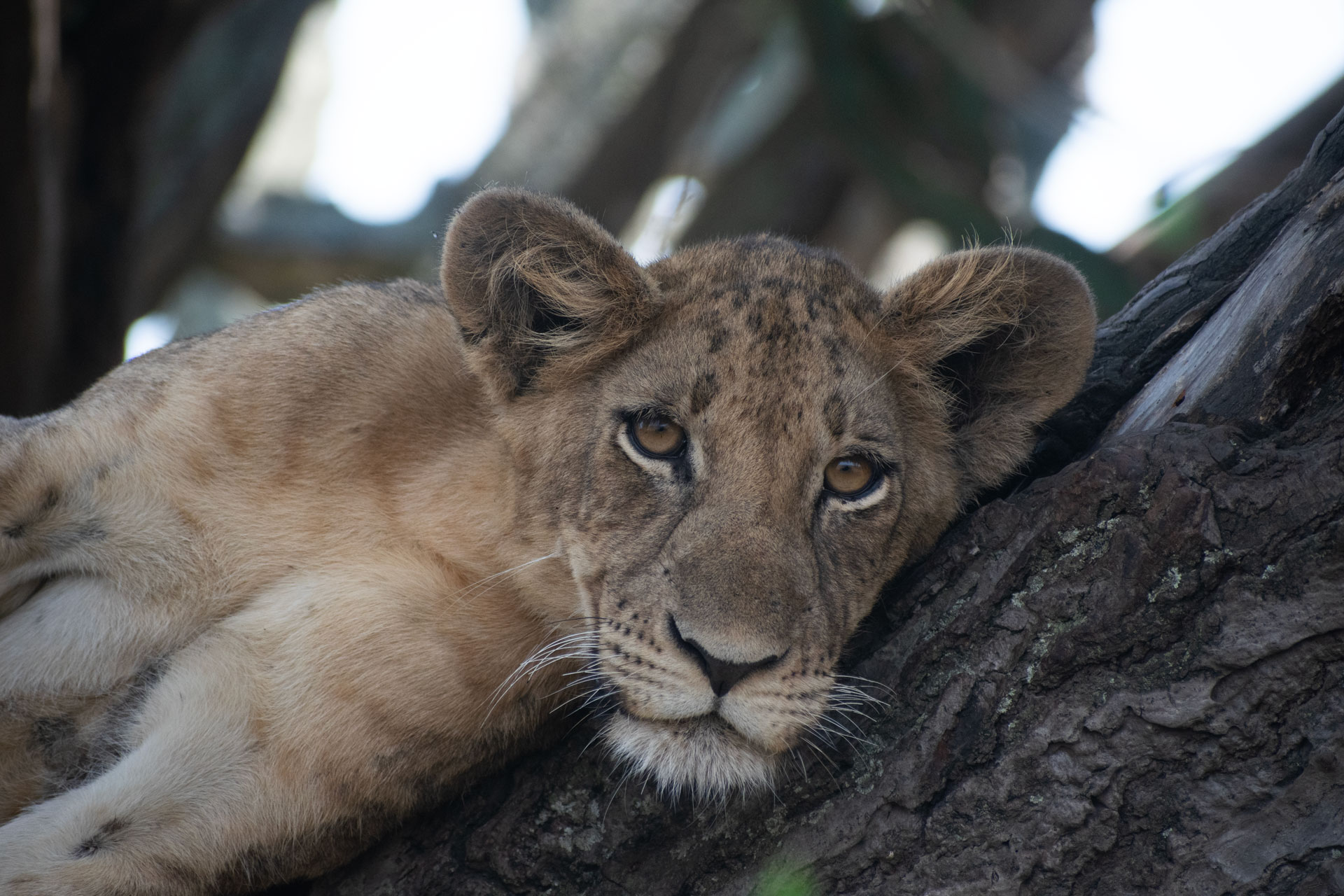
  • Tree-climbing lions in Ishasha

Money & Tipping

  • Currency: Ugandan Shilling (UGX); USD is widely accepted for tourism.
  • Cards & ATMs: Available in major towns but limited in rural areas—carry some cash.
  • Tipping: Optional but appreciated. Guidelines: $10–20/day for guides, $5–10/day for lodge staff.

Cultural Etiquette

Ugandans are warm and friendly. Respecting local customs will enhance your experience:

  • Greet with a smile and handshake; ask before photographing people.
  • Dress modestly in towns and villages, especially near religious sites.
  • Follow your guide’s instructions in wildlife areas to ensure safety and conservation.

Packing Tips for a Ugandan Safari

  • Neutral-colored lightweight clothes for game drives
  • A light jacket or fleece for cool mornings and evenings
  • Sturdy walking shoes for gorilla and chimp trekking
  • A good camera with extra memory and batteries
  • Sunscreen, insect repellent, and a reusable water bottle

Why Travel with Wild Compass Africa?

Choosing Wild Compass Africa means:

  • Expert local guides and professional drivers
  • Carefully planned private or small-group itineraries
  • Quality 4×4 Land Cruisers with guaranteed window seats
  • Hand-picked lodges near top wildlife areas
  • Full support from arrival to departure

We take care of permits, transfers, safety, and comfort, letting you focus on the adventure of a lifetime.

Quick Travel Checklist

  •  Yellow Fever vaccination & travel insurance
  •  Gorilla ($800) & Chimp ($250) permits booked
  •  Valid visa & passport
  •  Pack light, neutral clothes & essentials
  •  Confirm your safari itinerary with Wild Compass Africa

Uganda Safari Packages
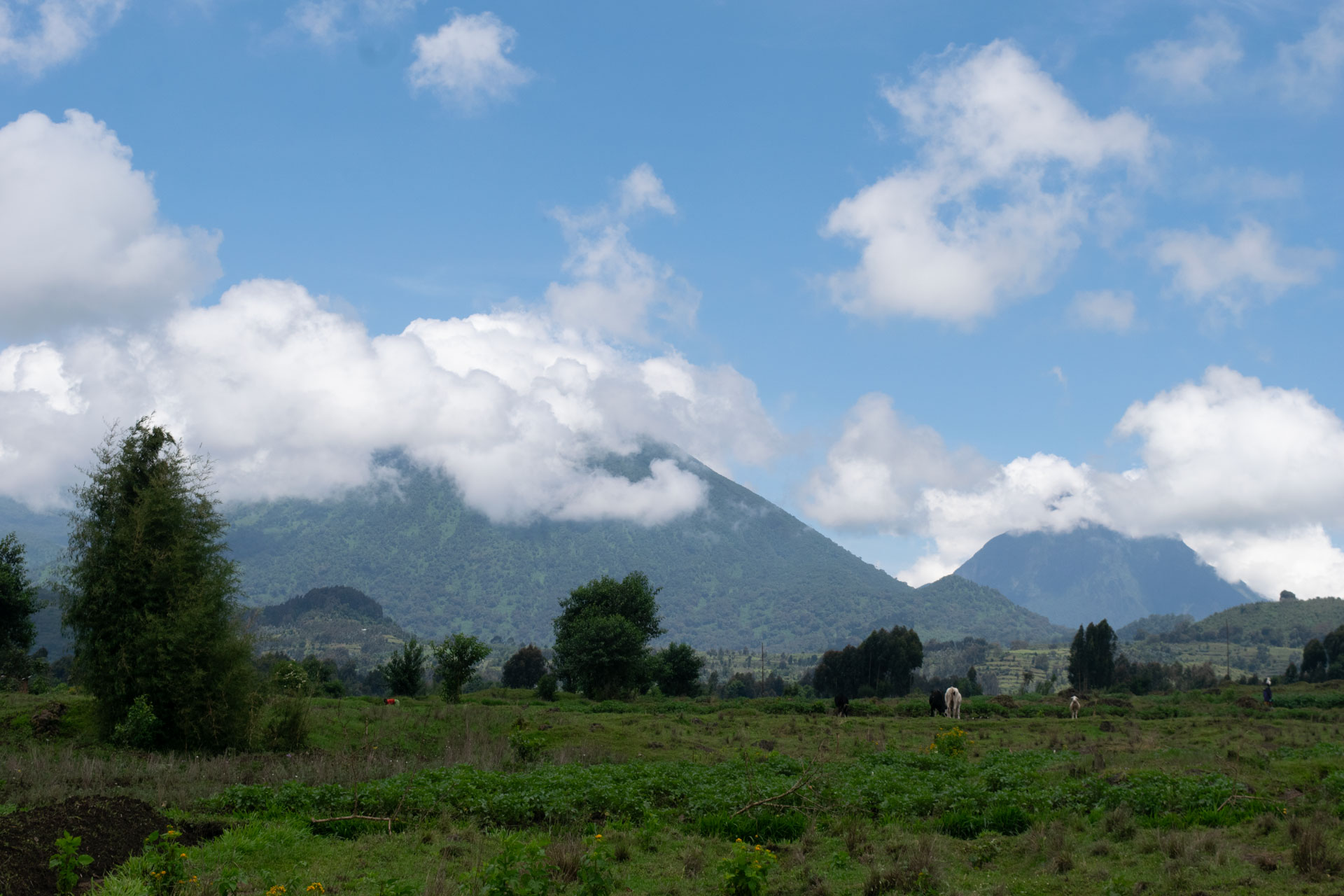
3 Day Uganda Gorilla Trekking Safari

15 Day Rwanda Uganda luxury safari

6 Day Gorilla Trekking and Big Game Uganda Safari

11 Day Masai Mara and Uganda Gorilla trekking

1 Day Shoebill Tracking Safari – Mabamba Swamp, Uganda

10 Day Uganda Gorilla & Chimpanzee Safari

11 Day Uganda Great Apes and Big 5 Adventure

8-Day Safari Uganda Wildlife Adventure

6-Day Gorilla and Golden Monkey Tracking Safari – Rwanda & Uganda

12-Day Private Family Safari in Uganda

8-Day Uganda–Rwanda Gorilla, Golden Monkey & Mount Sabinyo Hiking Safari

2-Day Gorilla Trekking Adventure in Uganda

9-Day Uganda Safari: Rwenzori Hiking, Gorillas & Classic Wildlife

10-Day Uganda Wildlife & Primate Safari – Gorillas, Chimps, Big 5 & Culture

7-Day Uganda Gorilla, Chimpanzee & Wildlife Safari

6-Day Uganda Double Gorilla Trekking Safari – Gorillas, Chimps & Wildlife Encounters

3-Day Uganda Gorilla Trekking Safari with Lake Bunyonyi Experience

9-Day Fly-In Uganda Gorillas, Chimps & Wildlife Safari

4-Day Golden Monkeys and Gorillas Safari in Rwanda & Uganda

4-Day Uganda Gorilla Habituation Adventure

5-Day Gorillas, Chimpanzees & Nature Walk Wildlife Safari

5-Day Luxury Gorilla and Golden Monkey Trekking Uganda Flying Tour

6-Day Rhinos, Murchison Falls and Kidepo Photography and Culture Safari

8-Day Tree-Climbing Lions, Gorillas & Chimpanzee Safari

11-Day Northern Uganda Safari

12-Day Uganda Photo Safari: Big Five, Gorillas & Chimpanzees

2-Day Birding Safari: Mabamba Swamp & Lutembe Bay

12-Day Uganda Big Five, Gorillas & Chimpanzee Safari

4-Day Rwanda–Uganda Double Gorilla Trekking Safari