
Birdwatching Across Rwanda
Scroll for more Info
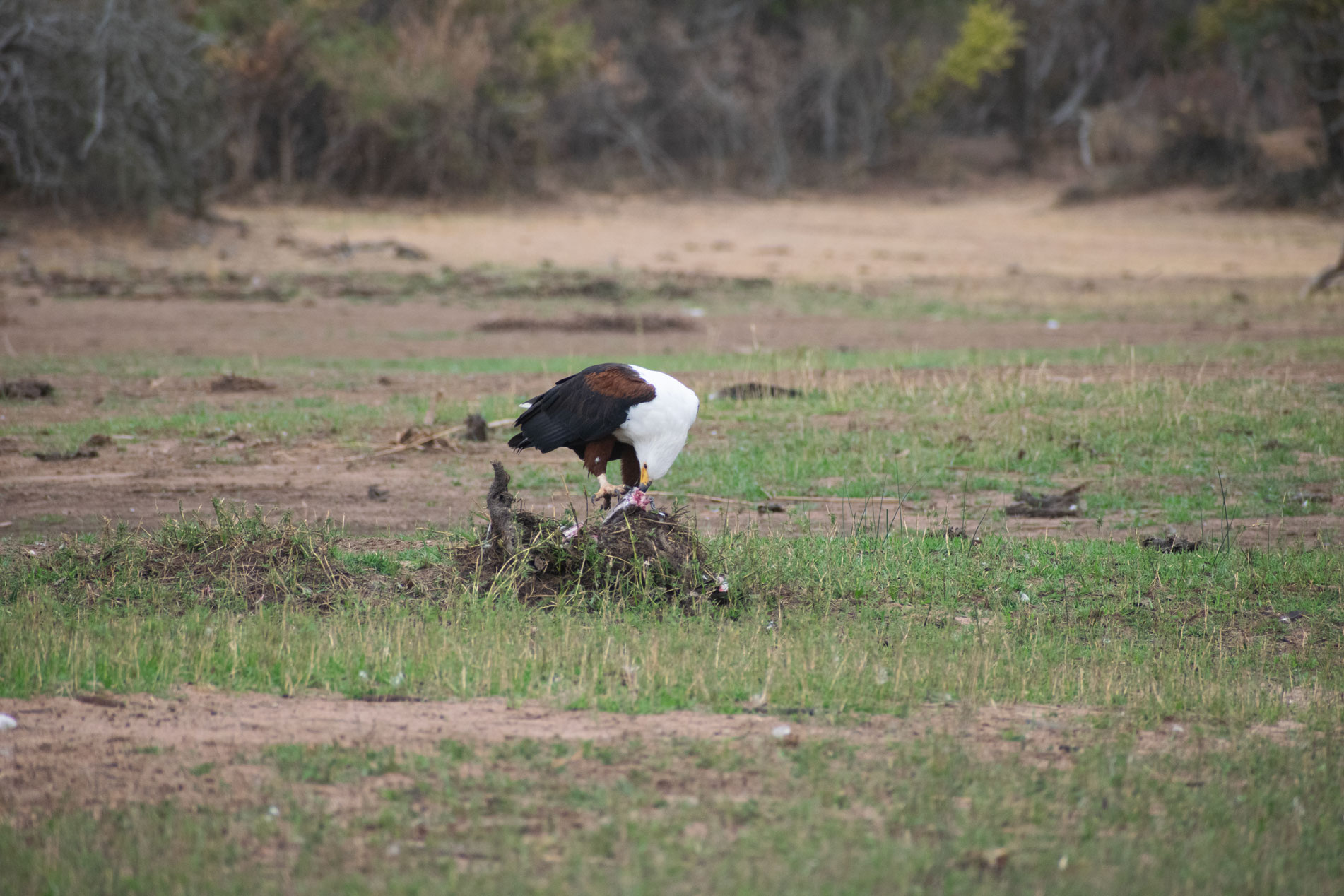
Rwanda may be small in size, but it is monumental when it comes to birdwatching. With over 700 bird species, including many rare Albertine Rift endemics, the country offers some of Africa’s richest and most accessible birding experiences. From misty montane forests and bamboo groves to sprawling savannahs and serene lakeshores, Rwanda provides a diverse and unforgettable landscape for birdwatchers, photographers, and nature enthusiasts alike.
Whether you are a seasoned ornithologist or simply a curious traveler with binoculars in hand, Rwanda’s birding experiences are complemented by world-class wildlife encounters, stunning landscapes, and accessible, well-guided trails.
Why Birdwatching in Rwanda is a Must-Do
Rwanda’s compact geography and high-altitude diversity create habitats that are rich in both resident and migratory species, making it a birding haven.
High Species Diversity: Spot rare endemics such as the Ruwenzori turaco, red-collared mountain babbler, and Grauer’s swamp-warbler, along with vibrant waterbirds and savannah specialists.
Varied Habitats: From rainforest canopies and bamboo zones to wetlands, lakes, and open savannahs, each ecosystem hosts unique species and behaviors.
Photographer’s Dream: The combination of clear skies, dramatic landscapes, and colorful plumage ensures memorable shots, whether capturing a shoebill stork wading or a turaco leaping through misty foliage.
Accessible Locations: Key birding sites such as Nyungwe, Akagera, Volcanoes, and Lake Kivu are all reachable via guided tours, with expert local knowledge ensuring sightings of rare and endemic species.
Top Birding Destinations in Rwanda
Nyungwe Forest National Park
Nyungwe’s dense rainforest and bamboo zones are home to over 300 bird species, including many Albertine Rift endemics. The forest is also a sanctuary for primates, so birding trips often include glimpses of red-tailed monkeys or chimpanzees in the canopy. Notable birds include the great blue turaco, black-collared apalis, and grey-capped warbler, often found along forest trails.
Akagera National Park
Akagera’s mosaic of savannah, woodland, and wetland ecosystems offers a distinctly different birding experience. Expansive wetlands and lakes attract large flocks of waterbirds such as shoebill storks, African fish eagles, herons, and pelicans, while open plains host species like African jacanas and kingfishers. Birding here is often combined with classic safari wildlife viewing, allowing for a dual experience of Big Five mammals and rare avian species.
Volcanoes National Park
In the montane forests and bamboo zones of Volcanoes National Park, birders can observe unique forest species such as the Rwenzori turaco, golden-backed weaver, and mountain wagtail. These high-altitude habitats also provide opportunities to combine birding with scenic treks and primate tracking, including golden monkeys.
Lake Kivu
Rwanda’s largest lake offers excellent birding along its tranquil shores. Waterbirds such as African jacanas, cormorants, and kingfishers are abundant, especially in areas with papyrus swamps and reed beds. Lake Kivu’s combination of lakeside walks and small boat excursions allows birders to access species that are otherwise difficult to reach from land.
Gishwati-Mukura Forest
One of Rwanda’s emerging conservation areas, Gishwati-Mukura Forest is increasingly recognized for its dense rainforest and endemic species. This site offers intimate encounters with shy forest birds and rare species, making it ideal for those seeking off-the-beaten-path birding experiences.
Best Time for Birdwatching
Rwanda offers year-round birding, but timing can affect species visibility and trekking conditions:
Dry Seasons (June–September, December–February): Trails are easier to navigate, and visibility is excellent for spotting both forest and savannah species.
Wet Seasons (March–May, October–November): Forests are lush, breeding activity peaks, and migratory species arrive, providing an unmatched display of color and diversity.
Birding-Friendly Accommodation
Rwanda offers lodges that cater to birdwatchers, combining comfort with proximity to key habitats:
Nyungwe Top View Hill Hotel: Panoramic forest views, guided birding excursions, and comfortable amenities for extended stays.
One&Only Nyungwe House: Luxury lodge with expert guides, immersive forest experiences, and photography support.
Magashi Camp (Akagera): Safari lodge near wetlands and savannahs, ideal for early morning birding drives.
Lake Kivu Serena Hotel: Lakeside retreat with excellent access to waterbirds and tranquil photographic settings.
Tips for Exceptional Birdwatching
Hire Expert Guides: Local ornithologists know the best locations and seasonal behaviors of endemic species.
Bring the Right Gear: Binoculars, zoom lenses, field guides, and sturdy walking shoes enhance both comfort and sightings.
Early Starts: Birds are most active at dawn; morning walks often yield the richest sightings.
Respect Wildlife: Maintain safe distances, avoid disturbing nests, and tread lightly on fragile habitats.
Combine Birdwatching with Other Experiences
Rwanda’s small size allows birders to combine avian adventures with other wildlife and cultural activities:
Gorilla or Chimpanzee Trekking: Combine primate encounters with birding for a full wildlife experience.
Volcano and Mountain Hikes: Observe montane forest species along scenic trekking trails.
Akagera Safaris: See waterbirds while enjoying Big Five wildlife.
Lake Kivu Retreats: Combine lakeside relaxation with birdwatching
.
Why Choose Wild Compass Africa
Wild Compass Africa specializes in tailor-made birding safaris, offering expert guides, private vehicles, luxury lodges, and fully supported itineraries. We ensure that every birding trip in Rwanda is seamless, safe, and unforgettable, providing intimate access to endemic species, migratory flocks, and photogenic landscapes.
Experience Rwanda’s vibrant birdlife with Wild Compass Africa — where forests, lakes, and savannahs come alive with color, song, and movement.
Rwanda Safari Packages
Clients Reviews
4.9 Tripadvisor





Inspire - London
Experience in Uganda with Jaz Abaho
We were three Austrian couples and a Ugandan friend who spent 12 days traveling through Uganda with Jaz Abaho, the owner of Wild Compass Africa.
Written March 29, 2026


Destinations
Experiences
Follow us
Get Intouch
info@Wildcompassafrica.com
wildcompassafrica@gmail.com
+256 779 252 533 |WhatsApp
Contact your Travel Advisor