Why Visit South Sudan for a Safari
A Land of Culture and Untamed Nature
South Sudan offers a very different kind of African journey — one shaped by vast wilderness, living cultural traditions, remote communities and landscapes that remain far removed from the established safari circuits.
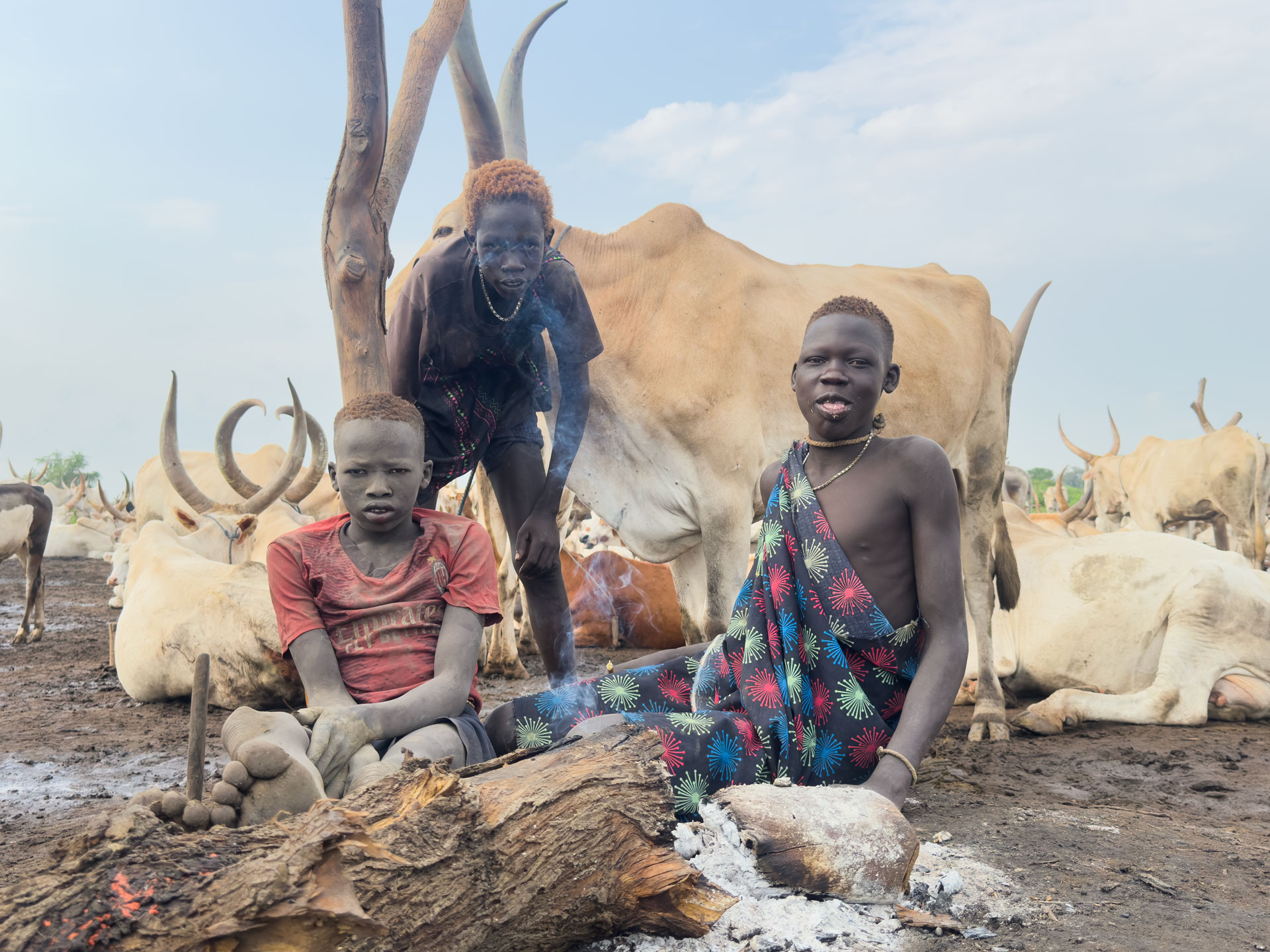
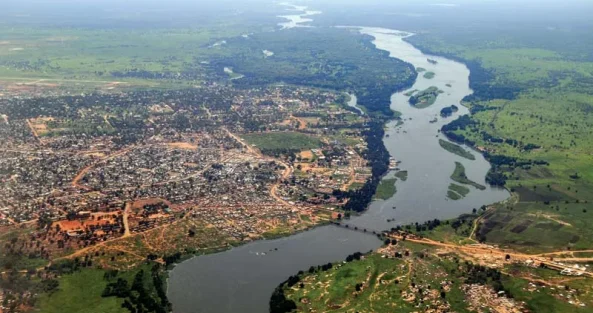
As one of Africa’s newest nations, South Sudan retains a remarkable sense of place. Journeys here can take you from the cattle camps of the Mundari and Dinka to the wetlands of the Sudd, the savannahs of Boma and Badingilo, and the communities and landscapes along the Nile.
For travellers seeking meaningful cultural encounters, remote wilderness and a more exploratory style of safari, South Sudan offers experiences that are difficult to find elsewhere in Africa.
Cultural Landscapes and Living Traditions
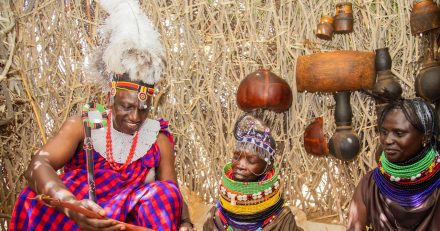
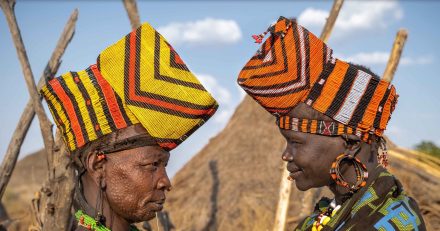
South Sudan is home to dozens of distinct ethnic communities, each with its own languages, traditions, livelihoods and cultural identity. Among the communities encountered on carefully planned journeys are the Mundari, Dinka, Nuer, Toposa, Jie, Murle, Shilluk, Bari, Lotuko and Acholi.
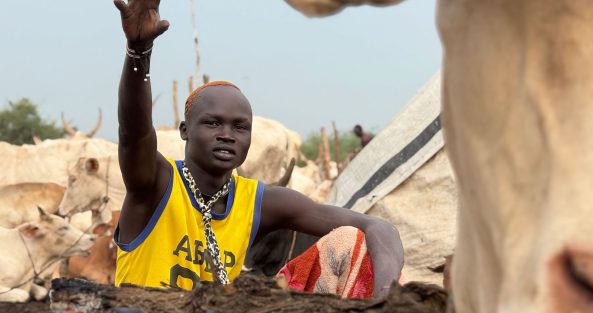
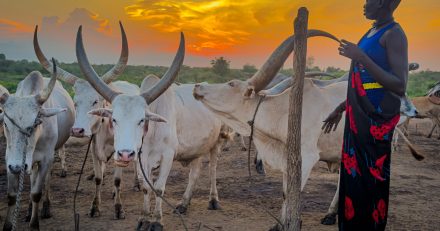
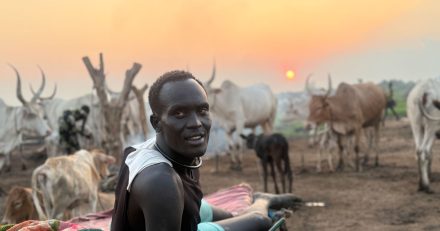
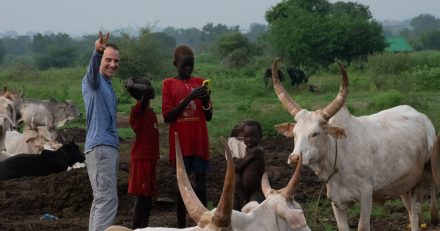
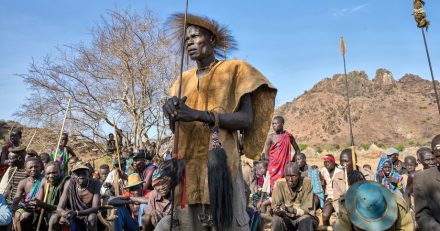
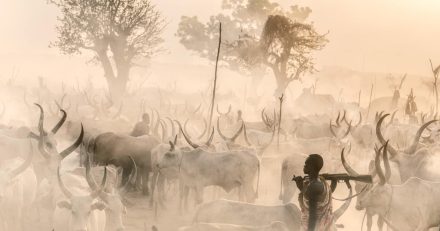
Cattle remain central to the lives and identity of several pastoral communities, and visiting cattle camps can provide a rare opportunity to understand the relationships between people, livestock, land and tradition. Depending on the route and timing, journeys may also include village visits, local markets, traditional dances, ceremonies and everyday community life.
These experiences are approached with respect and context, giving travellers an opportunity to understand living cultures and livelihoods within their contemporary setting rather than simply observing them from the outside.
Wilderness, Wildlife and the Great Nile Migration
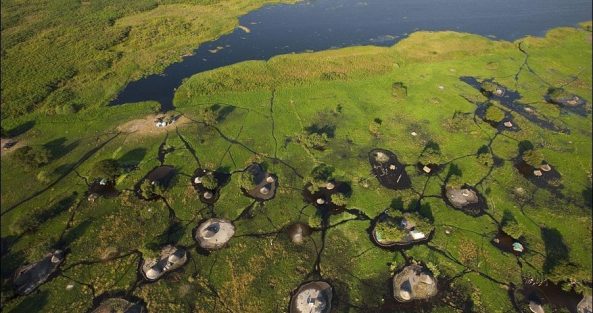
Beyond its cultural richness, South Sudan contains some of Africa’s most remote and comparatively little-visited wilderness areas. The vast Sudd wetland, one of the world's great wetland systems, supports an extraordinary range of wildlife and birdlife, while Boma and Badingilo National Parks protect extensive savannah, floodplain and woodland habitats.
The region is also home to the Great Nile Migration, a spectacular movement of approximately six million antelope across South Sudan's vast landscapes. White-eared kob, tiang, Mongalla gazelle and Bohor reedbuck form part of this extraordinary natural system, moving across seasonal wetlands and savannahs between Badingilo, Boma, the Sudd and neighbouring Ethiopia.
In July 2026, the Boma–Badingilo Migratory Landscape was inscribed on the UNESCO World Heritage List, becoming South Sudan's first World Heritage Site. The property encompasses Boma National Park, Badingilo National Park and surrounding floodplain and savannah landscapes, recognising their exceptional ecological importance and the globally significant wildlife migration they support.
For wildlife enthusiasts, this adds another dimension to South Sudan's appeal: a destination where enormous landscapes, wildlife movements and traditional ways of life remain closely connected.
South Sudan for Cultural and Documentary Photography
South Sudan is particularly compelling for photographers drawn to people, culture, wildlife and remote landscapes.
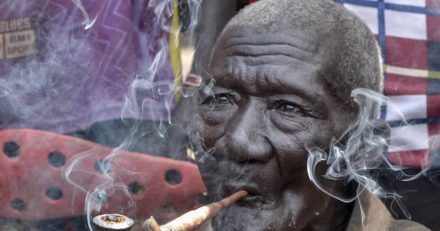
Cattle camps, traditional adornment, body art, daily community life and portraits offer powerful opportunities for cultural and documentary photography, while the Sudd, savannahs and migration landscapes provide a completely different visual perspective.
The destination is best suited to photographers who value time, patience and genuine interaction. Rather than following a fixed checklist of sightings, photography here is often about observing a place as it unfolds — from the details of daily life to expansive landscapes and wildlife encounters.
Who South Sudan Is For
South Sudan is best suited to travellers looking for something beyond a conventional safari:
- Experienced travellers comfortable with remote and exploratory journeys
- Cultural and anthropological enthusiasts
- Wildlife and nature enthusiasts
- Documentary, cultural and wildlife photographers
- Adventurous travellers seeking less-visited destinations
- Private travellers and small groups looking for highly personalised experiences
Why Travel with Wild Compass Africa
At Wild Compass Africa, we design South Sudan journeys around thoughtful planning, experienced local guidance and genuine engagement with the places and communities we visit.
Our journeys can be tailored around cultural exploration, wildlife, photography or a combination of all three. We work with local communities and experienced guides to create meaningful encounters while maintaining cultural sensitivity and responsible interaction.
For photographers and exploratory travellers, we allow the flexibility needed to spend more time where an experience deserves it — whether that means a cattle camp, a community encounter, a wildlife sighting or a landscape worth waiting for.
South Sudan is not a destination to rush through. It is a journey into a part of Africa where wilderness, culture and people remain deeply connected — and where travelling with the right local knowledge can make all the difference.
Best Time to Visit South Sudan
South Sudan can be travelled throughout much of the year, but the experience changes significantly with the seasons. The dry season from December to March generally offers easier access and better conditions for wildlife and cultural journeys, while the wet season from April to November brings lush landscapes, active wetlands, excellent birding, and fewer visitors.
Dry Season — December to March
The dry season is generally the most convenient period for wildlife safaris, photography, and cultural journeys. Wildlife becomes easier to locate around remaining water sources, while drier roads make access to remote areas more reliable.
The season also offers clear skies and strong early-morning and evening light, creating excellent conditions for wildlife and cultural photography. Some traditional ceremonies and cattle-related activities may take place during this period, although timing varies by community and local calendar.
Wet Season — April to November
The rains transform South Sudan's savannahs, wetlands, and river systems into lush green landscapes. This can be a rewarding period for photographers and birdwatchers, particularly around the Sudd and other wetland habitats.
Travel becomes more challenging in some areas, with flooded roads and changing river conditions requiring careful planning, experienced local guides, and, where necessary, 4x4 vehicles or boats. The quieter season can also offer a more private experience in remote communities and wildlife areas.
Travel Notes
- Temperature: Lowland areas can be hot, with daytime temperatures sometimes reaching 30–40°C (86–104°F). Highland areas such as the Lopit Hills are generally cooler.
- Mosquitoes: Mosquito activity can increase during the rains. Appropriate repellent and malaria-prevention measures are recommended.
- Packing: Lightweight clothing, sun protection, comfortable walking shoes and a light layer for cooler mornings and evenings are useful year-round.
- Cultural Timing: Traditional ceremonies and community events can follow local calendars, cattle cycles or seasonal activities. Timing should therefore be confirmed when planning a journey.
- Wet-Season Travel: Some remote areas may require flexible routing, 4x4 vehicles or boats depending on rainfall and local conditions.
Travel Advice for South Sudan
South Sudan is one of Africa’s least-visited destinations, offering remarkable wildlife, vast wetlands and encounters with communities whose traditions remain deeply connected to pastoral and rural life. Travel here is very different from a conventional safari and requires careful preparation, reliable local arrangements and flexibility.
Before You Travel
South Sudan has limited tourism infrastructure, and conditions can vary considerably between regions. Travellers should check the latest government travel advice before departure and ensure that their itinerary is arranged through an experienced local operator.
A valid passport and visa are required for most visitors, with entry requirements varying by nationality. Yellow fever vaccination documentation may also be required. We recommend confirming visa, health and entry requirements well before travel.
For remote journeys, reliable communications, appropriate transport and contingency planning are particularly important.
When to Visit
December to March is generally the drier period and can provide easier road travel and good conditions for wildlife viewing and cultural journeys.
April to November brings more rainfall, greener landscapes and higher water levels across wetland areas. Some roads and remote routes can become difficult or inaccessible, so itineraries during this period require greater flexibility.
The best travel period ultimately depends on the region and experience you wish to explore.
Getting Around
Juba is the principal gateway to South Sudan. Beyond the capital, travel can involve long road journeys, 4x4 vehicles, domestic flights or boats depending on the destination and season.
Distances are considerable and journey times can change with weather and road conditions. Remote travel should therefore be planned around realistic travel times rather than fixed schedules.
Health and Practical Preparation
South Sudan is a malaria-risk destination, and travellers should seek professional medical advice before departure regarding malaria prevention, vaccinations and other health precautions.
Pack light, practical clothing suitable for hot conditions, together with:
- Long-sleeved shirts and trousers
- Comfortable walking shoes
- Sun protection and insect repellent
- Personal medication and a basic first-aid kit
- Reusable water bottle
- Power bank and essential charging equipment
- Passport and copies of important travel documents
- Binoculars and camera equipment if required
Access to medical facilities and other services can be limited outside major towns, making good preparation particularly important.
Culture and Responsible Travel
South Sudan is home to many distinct communities, each with its own traditions, languages and ways of life. Cultural visits should always be approached with respect and sensitivity.
Dress modestly, follow local guidance and ask permission before photographing people, homes, ceremonies or other culturally significant activities. Your guide should introduce you to communities appropriately and help ensure that interactions remain respectful and mutually beneficial.
Depending on the region, journeys may include encounters with Mundari, Dinka, Toposa, Jie, Lopit, Boya, Laarim and other communities.
Wildlife and Landscapes
South Sudan's natural landscapes are equally compelling. Depending on the route and season, experiences can include:
- Boma and Bandingilo National Parks, known for extensive wildlife populations and large antelope herds
- The Sudd, one of the world's great tropical wetlands
- White-eared kob migration areas, where enormous seasonal movements of wildlife occur
- Nile and wetland journeys by boat
- Wildlife and birdwatching across remote savannah, woodland and wetland habitats
- Visits to traditional cattle camps and rural communities
These experiences are often best suited to travellers who value exploration, cultural connection and places that remain well beyond the established tourism circuit.
Travelling with Wild Compass Africa
We plan South Sudan journeys around the realities of travelling in a remote destination, combining experienced local guidance, appropriate transport and carefully selected routes.
Because conditions can change, flexibility is an important part of every itinerary. We work closely with our local partners and guides to ensure that each journey is planned responsibly, with respect for both the communities we visit and the landscapes we explore.
Clients Reviews
4.9 Tripadvisor





Inspire - London
Experience in Uganda with Jaz Abaho
We were three Austrian couples and a Ugandan friend who spent 12 days traveling through Uganda with Jaz Abaho, the owner of Wild Compass Africa.
Written March 29, 2026


Destinations
Experiences
Follow us
Get Intouch
info@Wildcompassafrica.com
wildcompassafrica@gmail.com
+256 779 252 533 |WhatsApp
Contact your Travel Advisor