Early Morning – Pick-Up & Transfer to Mabamba Swamp
Your day begins with an early pick-up from your hotel in Entebbe or any other convenient location nearby. After a warm welcome and briefing by your expert birding guide, you’ll embark on a scenic drive to the shores of Lake Victoria. Depending on your access route, you may either drive directly to the swamp area or take a short boat transfer across the lake.
Morning – Shoebill Tracking Experience
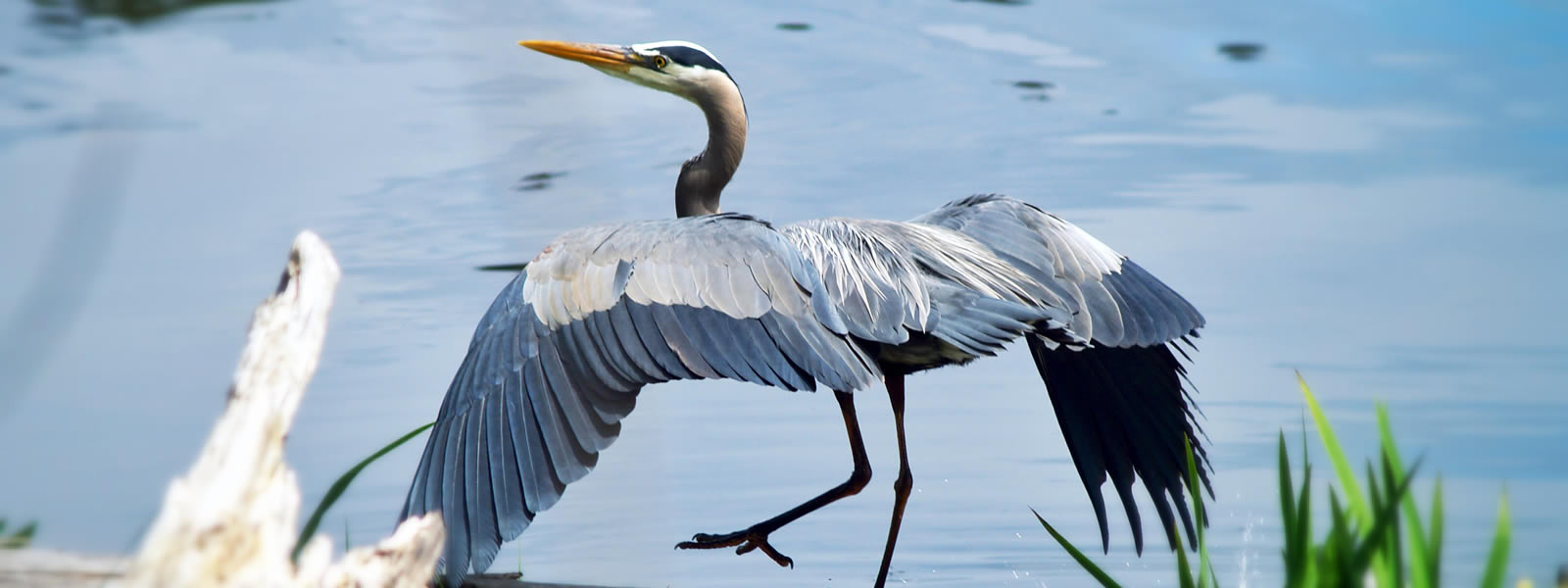
Upon arrival at Mabamba, you’ll transfer into a traditional motorized canoe steered by an experienced local guide. You’ll silently navigate the winding channels of the swamp, which are surrounded by tall papyrus and floating vegetation. Your guide will help you spot the elusive Shoebill, often seen standing motionless while hunting lungfish, its primary prey.
Patience pays off, and the early morning hours offer the best opportunity for a successful sighting. During the excursion, you’ll also encounter a wide variety of other bird species, and if lucky, witness some unique wetland behavior.
The Shoebill tracking usually lasts between 1 to 3 hours, depending on weather conditions and bird activity. The serene boat ride also allows for excellent photography opportunities, especially when the lighting is soft and natural.
Late Morning – Return Transfer
After an enriching birding experience, you’ll head back to the docking point, followed by a return drive or boat ride to Entebbe. You’ll be dropped off at your hotel or preferred drop-off location by midday or early afternoon, allowing you to relax or proceed with your next travel plans.
Safari Activities in Kidepo Valley National Park
Kidepo Valley National Park is Uganda’s most remote and pristine savannah wilderness, offering unmatched opportunities for wildlife viewing, birding, cultural immersion, and photography. Below is a detailed guide to the park’s top activities.
Game Drives
Game drives are the heart of a Kidepo safari, offering chances to see large mammals, rare predators, and unique arid-zone species.
Narus Valley: Best for large herds, permanent water sources, and predator sightings. Expect lions, elephants, buffalo, giraffes, jackals, cheetahs, oryx, and ostriches.
Kanangorok Hot Springs & Northern Kidepo: Cross the Kidepo Sand River, rolling hills, and granite outcrops. Species here include African wild dogs, spotted hyenas, leopards, and warthogs.
Timing: Early mornings and late afternoons are ideal for wildlife activity and photography.
Tip: For an immersive experience, combine game drives with birding or guided hikes along the Kidepo River Valley.
Nature Walks and Hiking
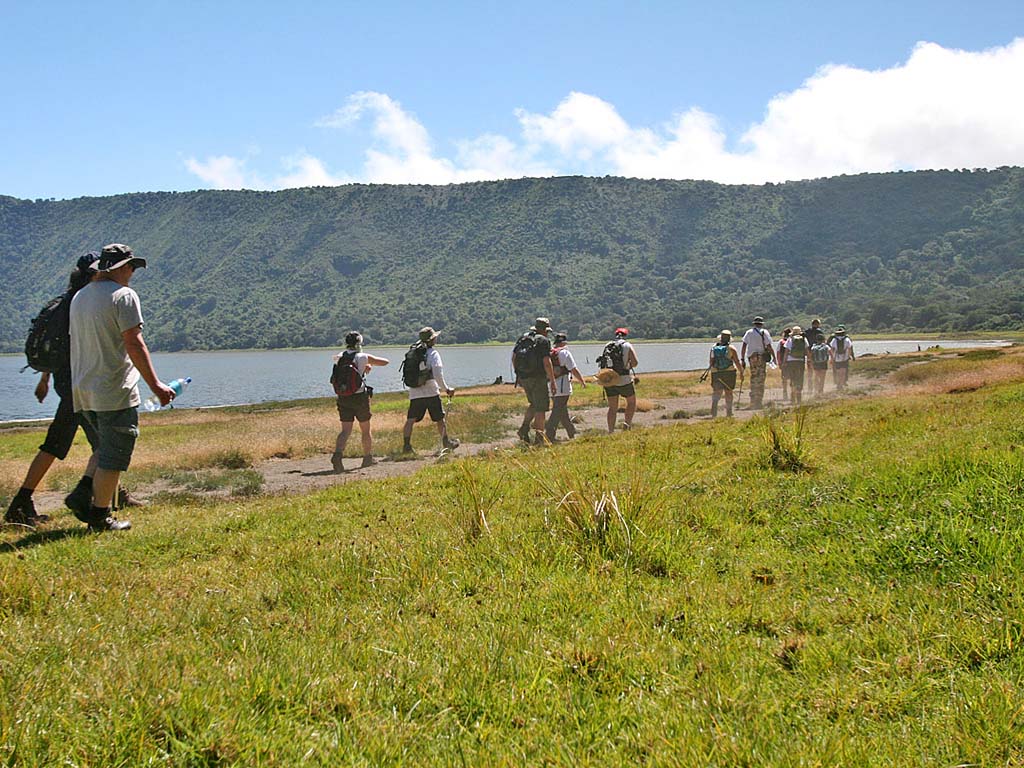
Exploring Kidepo on foot allows for intimate encounters with flora and fauna that are often missed from vehicles.
Kidepo River Valley Walks: 1–6 hour guided walks through Borassus palm forests, floodplains, and savannah edges. Spot smaller mammals, reptiles, butterflies, and evidence of larger wildlife.
Lomej Hills & Mount Morungole Hikes: 4–5 hour treks that combine scenic viewpoints with Ik community interactions.
Night Walks: Opportunity to see nocturnal wildlife such as bush babies, tree hyraxes, and nightjars.
Bird Watching in Kidepo Valley National Park
Kidepo Valley is one of Uganda’s premier birding destinations, boasting 475+ species. Its location at the junction of savannah, semi-arid, and woodland habitats supports a rich mix of resident and migratory birds.
Use telephoto lenses for predators and distant birds.
Wide-angle lenses for landscapes and group wildlife shots.
Golden hours (sunrise/sunset) enhance dramatic light.
Guides can advise on the best vantage points and safe positions.
Cultural Experiences
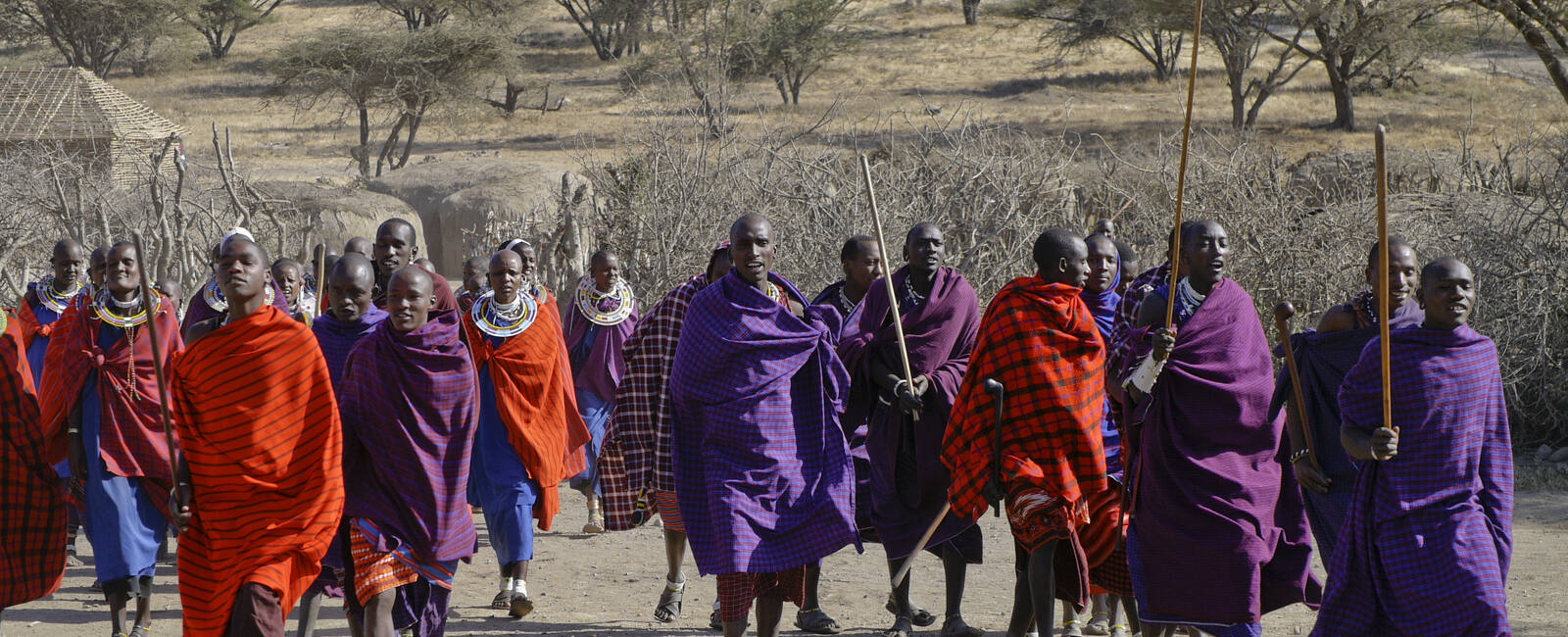
Kidepo is home to indigenous communities, including the Ik, Toposa, and Karimojong, providing authentic cultural encounters:
Village Visits: Explore traditional homesteads, local crafts, and daily life.
Cultural Performances: Enjoy warrior dances, storytelling, and traditional ceremonies.
Community Conservation Projects: Visits support education, livelihoods, and wildlife protection.
Extended Cultural Safari: The 11-day North-Eastern Uganda Safari combines Kidepo with Budongo chimpanzee trekking, Murchison Falls National Park, Pian Upe, Ziwa Rhino ranch and other Nature-rich destinations. Guests experience immersive culture, local traditions, and conservation efforts across Northern Uganda
Travel: 8–10 hours by road from Kampala/Entebbe; combine with Nile River rafting or Murchison Falls.
Guides: Always use Uganda Wildlife Authority (UWA) certified guides.
Permits: Some hikes and guided experiences require advance booking.
Accommodation: Options include Apoka Rest Camp, luxury lodges, and tented camps.
Nyungwe is not only about its ancient beauty; it is a destination brimming with immersive safari activities. Whether you are a primate enthusiast, birder, or hiker, this rainforest has something extraordinary to offer.
Chimpanzee Trekking
One of the highlights of Nyungwe is the chance to track wild chimpanzees, Rwanda’s closest relatives to humans. Guided treks begin early in the morning, leading visitors deep into the misty forest to observe chimps as they feed, groom, play, and vocalize in the treetops. These treks are energetic and thrilling, often accompanied by the distant echoes of chimp calls.
Canopy Walkway Adventure
Perhaps Nyungwe’s most iconic attraction, the 160-meter-long Canopy Walkway hangs high above the rainforest, offering a bird’s-eye view of the treetops, valleys, and wildlife below. Suspended 70 meters off the ground, the walkway provides a breathtaking perspective and is ideal for photographers, adventurers, and anyone eager to see the forest from a unique angle.
Colobus & Other Primate Tracking
Beyond chimpanzees, Nyungwe is home to 13 primate species. Visitors can track large troops of black-and-white colobus monkeys — sometimes numbering up to 400 individuals — along with L’Hoest’s monkeys, grey-cheeked mangabeys, vervet monkeys, and blue monkeys. The variety and density of primates make Nyungwe one of the best parks in Africa for primate enthusiasts.
Birdwatching Paradise
With over 300 bird species, including 27 Albertine Rift endemics, Nyungwe is a world-class destination for birdwatchers. Species such as the Ruwenzori turaco, Grauer’s swamp warbler, and regal sunbird are among the highlights. Early morning birding walks with expert guides are especially rewarding, offering the chance to spot rare and colorful forest species.
Hiking & Waterfall Trails
Nyungwe boasts an extensive network of over 130 kilometers of well-maintained hiking trails. These range from short nature walks to full-day treks through rugged terrain. Popular hikes include trails leading to majestic waterfalls, orchid gardens, secret forest viewpoints, and panoramic ridges. Each trail offers a unique glimpse into the forest’s flora and fauna.
Tea Plantation & Cultural Experiences
Bordering the forest are sprawling tea plantations, where visitors can take guided tours to learn about tea cultivation and enjoy tasting sessions. Cultural encounters with local communities also provide an opportunity to experience traditional Rwandan dance, music, and folklore, enriching your safari with cultural immersion.
Safari Activities in Mabamba Wetland
1. Bird Watching (Main Activity)
Birding is Mabamba’s crown jewel experience, attracting thousands of birdwatching enthusiasts each year. The swamp boasts over 260 recorded bird species, including endemic, migratory, and globally threatened species. Most notably, Mabamba offers the rare privilege of seeing the Shoebill at close range — often within just a few meters from a canoe. Unlike many other Shoebill habitats in Uganda, Mabamba provides all-day visibility of this iconic species.
Other notable birds frequently sighted include:
Mabamba Swamp Birding Checklist
Bird Group
Species
Scientific Name
Notes / Sightings Tips
Iconic Wetland Birds
Shoebill
Balaeniceps rex
Main target; secretive; best seen early morning; usually alone
Papyrus Gonolek
Laniarius mufumbiri
Endemic; loud “kok-kok” calls; shy among papyrus reeds
Papyrus Canary
Crithagra koliensis
Bright yellow; often hidden in dense papyrus
Papyrus Yellow Warbler
Calamonastides gracilirostris
Small, secretive; flits along reed edges
African Swamphen
Porphyrio madagascariensis
Large purple bird; moves across floating vegetation
Malachite Kingfisher
Corythornis cristatus
Tiny, bright blue; perches on reeds; dives for fish
African Jacana
Actophilornis africanus
“Jesus bird” walks on lily pads; easy to spot
Grey-headed Kingfisher
Halcyon leucocephala
Quiet, perch-hunting kingfisher along channels
Black Crake
Amaurornis flavirostra
Small, secretive; best spotted in dense reeds
African Darter
Anhinga rufa
Swims low; dries wings on branches; often alone
Black Heron
Egretta ardesiaca
Uses “canopy feeding” technique in shallow water
Waders & Waterbirds
Little Grebe
Tachybaptus ruficollis
Small diving bird; found in open water
Reed Cormorant
Microcarbo africanus
Swims low; dives for fish
Long-tailed Cormorant
Microcarbo africanus
Often perches on branches; sometimes in small groups
Pied Kingfisher
Ceryle rudis
Hovers over water before diving; common
White-faced Whistling Duck
Dendrocygna viduata
Seen in flocks; distinctive whistling calls
African Fish Eagle
Haliaeetus vocifer
Iconic raptor; soars above water; early morning best
Great Egret
Ardea alba
Large white wader; often near open water
Intermediate Egret
Ardea intermedia
Slightly smaller than Great Egret; shallow water feeding
Black-headed Heron
Ardea melanocephala
Often at swamp edges; feeds on fish and frogs
Little Bittern
Ixobrychus minutus
Secretive; hides among reeds; rare sighting
Wood Sandpiper
Tringa glareola
Small wader; edges of shallow water
Common Greenshank
Tringa nebularia
Wading bird; often in small flocks
Marsh Sandpiper
Tringa stagnatilis
Rare; shallow water feeding
Gulls & Terns
Grey-headed Gull
Chroicocephalus cirrocephalus
Occasionally seen near open water and inflows
White-winged Tern
Chlidonias leucopterus
Migratory; flits low over water
Black-headed Gull
Chroicocephalus ridibundus
Rare; winter visitor
Papyrus & Weaver Birds
Northern Brown-throated Weaver
Ploceus castanops
Often near papyrus edges; nests in reed beds
Village Weaver
Ploceus cucullatus
Common near swamp periphery and settlements
Lesser Masked Weaver
Ploceus intermedius
Often in reed patches; males brightly colored in breeding season
Red-headed Malimbe
Malimbus rubricollis
Shy; nests in papyrus clumps
Fan-tailed Widowbird
Euplectes axillaris
Breeding males show striking black and red plumage
Other Notable Birds
African Swallow
Hirundo smithii
Near water; insect hunting flights
African Grey Hornbill
Lophoceros nasutus
Seen in trees around swamp edges
African Spoonbill
Platalea alba
Rarely; wades in shallow water for crustaceans
Common Moorhen
Gallinula chloropus
Often hidden in reeds; small and secretive
Birdwatching tours typically begin in the morning and last around 3–4 hours, using traditional canoes paddled by experienced local guides who are well-versed in bird behavior and swamp navigation.
2. Canoe Safaris
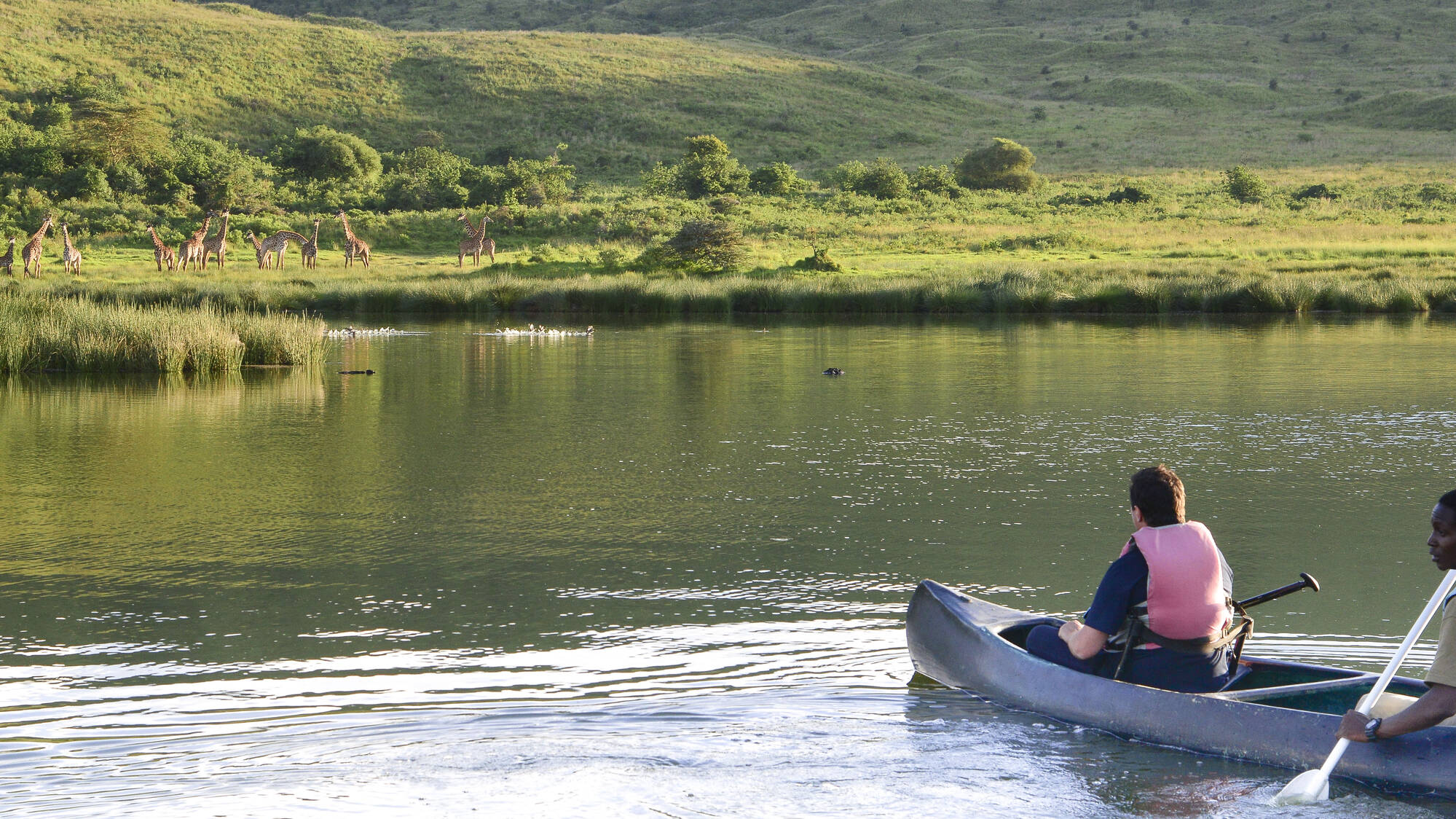
Canoeing through Mabamba’s narrow papyrus channels offers a serene and immersive way to explore the wetland. The quiet glide of the canoe minimizes disturbances to wildlife, allowing for spectacular sightings of birdlife and occasional glimpses of mammals like the sitatunga. It’s an ideal activity for photographers and nature lovers.
3. Community Cultural Walks
Mabamba is more than just birds and biodiversity — it’s also a vibrant cultural landscape. Guided community walks through nearby villages introduce visitors to the local lifestyle, customs, and crafts of the people who live alongside the wetland. Visitors can witness and participate in traditional activities such as:
Basket weaving using papyrus
Small-scale agriculture
Fishing practices
Traditional music and dance performances
Purchasing local crafts such as mats, baskets, and handmade bags directly supports sustainable community development and conservation efforts.
4. Sport Fishing (Optional)
Fishing has historically been a central livelihood in the Mabamba region. While tourism has now taken precedence, sport fishing remains an activity that visitors can experience on arrangement. The swamp hosts species such as lungfish, tilapia, silverfish, mudfish, and Nile perch. Local fishermen use traditional fishing methods — including hooks, rods, and small nets — that reflect centuries of ecological knowledge.
5. Butterfly Watching
With over 200 butterfly species recorded, Mabamba is also a hotspot for lepidopterists and nature photographers. Visitors can enjoy leisurely butterfly walks while spotting vibrant species fluttering through the reeds and flowering plants. Some common species include:
Acraea aganice
Achaea aurivilli
This often-overlooked activity is best enjoyed on bright, sunny days when butterfly activity peaks.
Guided Canoe Safaris to Spot the Shoebill and Uganda’s Unique Papyrus Birds
2-Day Birding Safari: Mabamba Swamp & Lutembe Bay
Combining Mabamba swamp and lutembe is great ideal –View Itinerary
12-Day Uganda Photo Safari: Big Five, Gorillas & Chimpanzees
Carefully curated by Wild Compass Africa, this safari balances photographic opportunity, conservation-focused travel, and authentic experiences on the ground — ideal for wildlife lovers seeking more than a checklist safari. View Itinerary
Safari Activities in Murchison Falls National Park
Game Drives
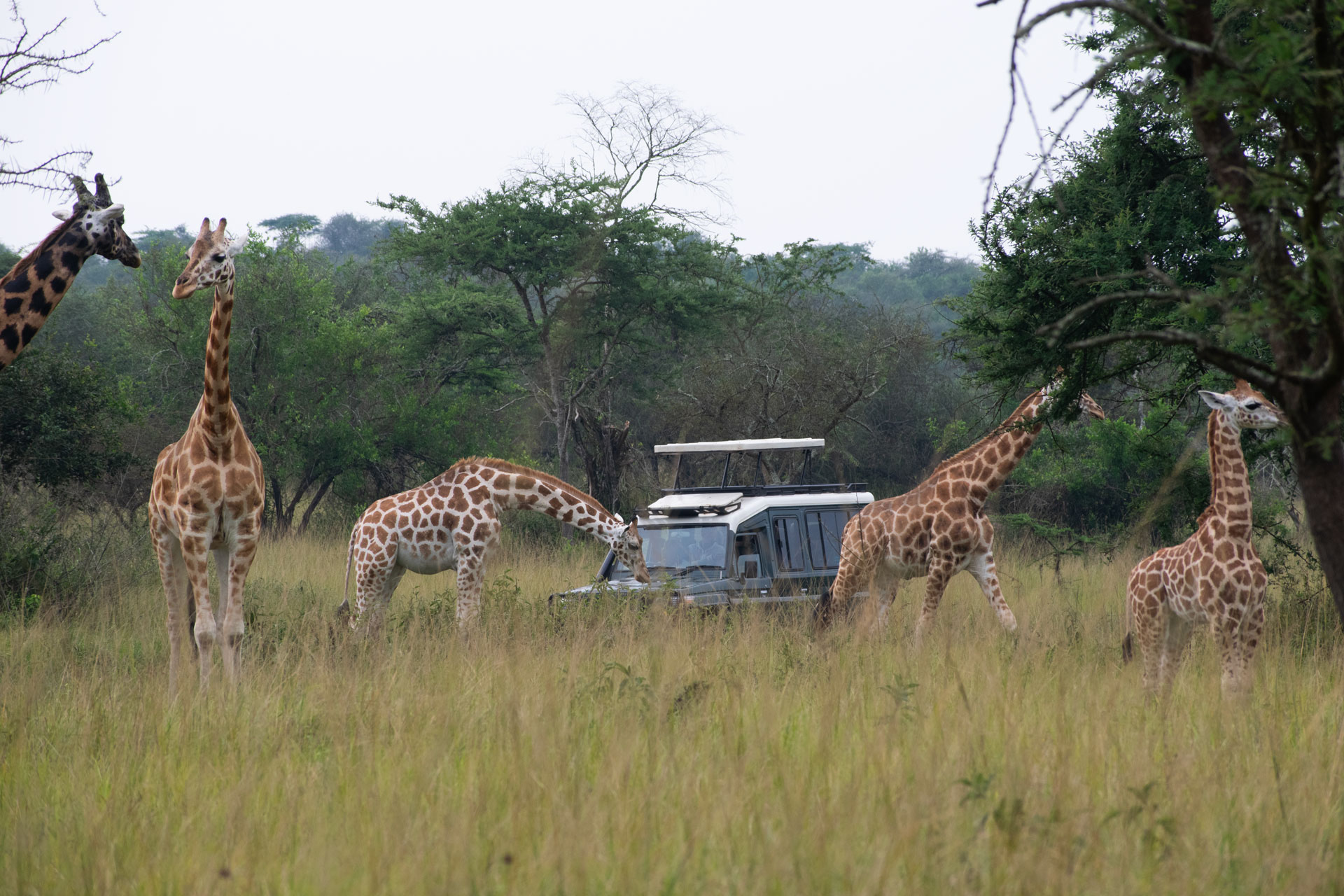
The northern sector of the park offers expansive savannah plains and is the best area for traditional game drives. Guided game drives along routes such as the Victoria Track, Pakuba Track, and Albert Track offer excellent opportunities to spot a wide variety of wildlife.
Expect to encounter
Towering Rothschild’s giraffes
Herds of elephants, buffaloes, and antelopes
Predators such as lions and, occasionally, leopards
Smaller species like reedbucks, oribis, and warthogs
Morning and evening drives are especially rewarding, offering golden light for photography and increased chances of seeing predators.
Boat Cruises on the Nile
A launch cruise along the Nile provides a different yet equally captivating wildlife experience. The upstream boat cruise from Paraa to the base of the falls is the most popular, lasting about 2–3 hours.
Highlights include
Close-up views of hippos, crocodiles, and elephants
Vibrant birdlife along the riverbanks
A dramatic view of Murchison Falls from below
For birders and Shoebill seekers, a downstream boat trip to the Nile Delta in the early morning is recommended. Evening sundowner cruises offer a peaceful atmosphere and magnificent sunset views reflected on the Nile.
Hike to the Top of the Falls
The Top of the Falls hike is a must-do for adventure seekers. This guided walk takes you through scenic woodland trails, ending with panoramic views of the Nile surging through a narrow gorge.
Engage all your senses
See the crashing waves of whitewater
Hear the thunderous roar of the falls
Feel the ground tremble beneath your feet
Taste the cool mist on your face
This hike is both thrilling and meditative—a perfect complement to game drives.
Birdwatching
Birders will find Murchison Falls to be a paradise, offering sightings of:
The elusive Shoebill stork (best seen from January to March)
Abyssinian Ground Hornbill
Secretary Bird (often seen in dry months)
Various bee-eaters, kingfishers, weavers, and seasonal migrants
Birding is excellent both on game drives and during boat trips or forest walks.
Nature Walks & Forest Hikes
Explore the park on foot with guided nature walks in areas like:
Kaniyo Pabidi Forest and Rabongo Forest – ideal for spotting primates and birds
Nile Delta Walks – a 3–4 hour walk offering chances of Shoebill sightings
Short treks near lodges and river junctions on both banks
These walks typically last 2–3 hours and are a peaceful way to experience the park’s biodiversity.
Cultural Encounters
The nearby Mubako Village offers authentic cultural experiences. Guests can interact with local communities, explore traditional homesteads, and enjoy captivating evening performances of music, dance, and storytelling around the campfire—offered by cultural groups near several lodges.
Bush Camping and Night Safaris
For a deeper connection with the wild, bush camping is available in designated areas. Campers can experience:
The sounds of wildlife under starlit skies
Night game drives to spot nocturnal creatures like leopards, genets, and hyenas
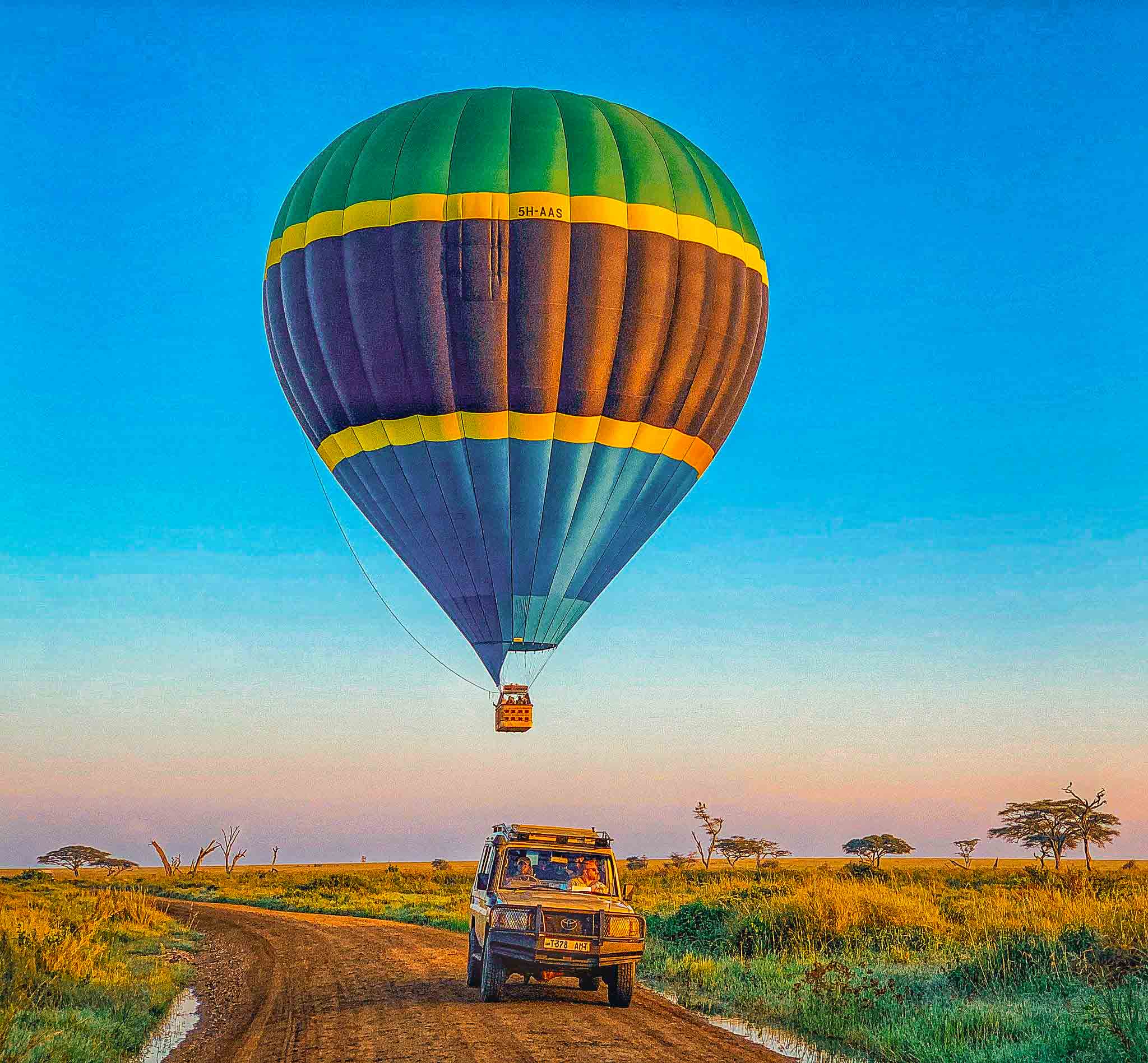
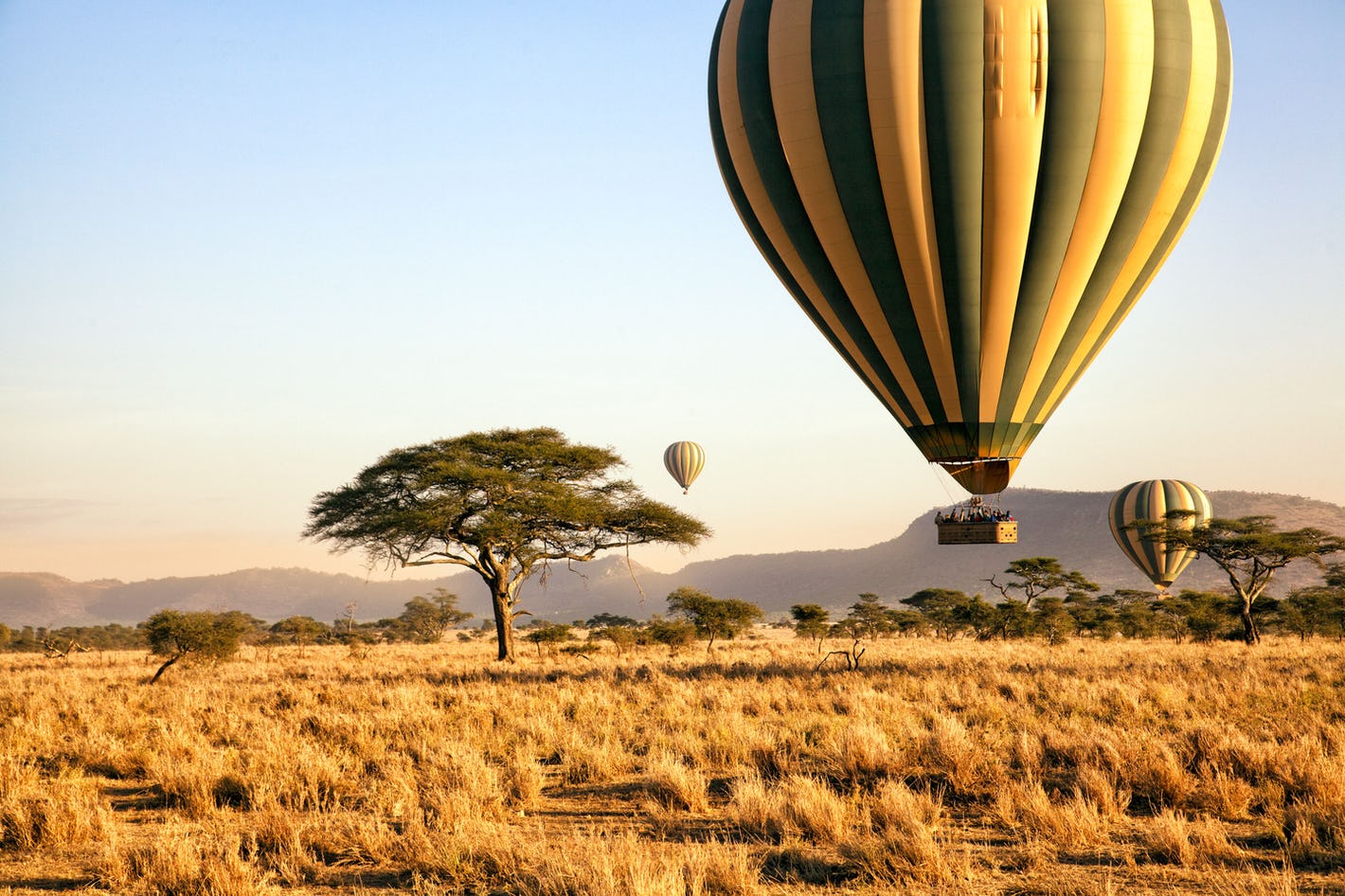
Hot air balloon safaris in Serengeti National Park are an exciting opportunity to obtain a birds-eye view of the park. Nobody has ever enjoyed birds from the sky more than…
Tarangire is an amazing destination to watch birds as it has a bird list of over 500 bird species. Its swamps, which are normally green all year round, are the…
Many pastoralists migrated to the area throughout the millennia, lived here for a while, and then left, sometimes driven out by other tribes. Enclose Africa Safaris will take you to…
These are beautiful alkaline lakes that are found within the Arusha National Park in the northeastern end of northern Tanzania. The Arusa national park is regarded as one of the…
Situated in the northern part of Tanzania just about 170 kilometers from Tanzania’s Capital City Arusha, Ngorongoro crater is the largest inactive caldera in the whole world. Ngorongoro Crater lies…
Other than Serengeti National Park, visitors can also engage in hot air balloon safaris in Tarangire National Park, and this is extremely interesting and extremely wonderful. Hot air balloon safaris…
The highlight of this region is undoubtedly hiking the volcanoes themselves. Each mountain offers a distinct character and reward:
Mount Bisoke (3,711 m) A moderate full-day hike (4–6 hours round trip), Bisoke is famous for its stunning crater lake at the summit. The trail winds through lush vegetation zones — from bamboo forests to alpine meadows — before revealing breathtaking panoramas of neighboring volcanoes. Ideal for moderately fit hikers and nature photographers.
Mount Karisimbi (4,507 m) The ultimate challenge in Rwanda. Karisimbi requires a two-day trek with an overnight camp partway up the mountain. Known as Rwanda’s highest peak, it rewards adventurous spirits with dramatic landscapes, misty alpine vegetation, and an unforgettable sunrise from the summit. Best suited for experienced hikers with a high level of fitness.
Mount Muhabura (4,127 m) A 5–6-hour round-trip trek, Muhabura (meaning “the guide” in Kinyarwanda) stands tall at the Uganda–Rwanda border. Its slopes are relatively steep, but the summit rewards climbers with spectacular views over the twin lakes (Burera and Ruhondo), the Virunga chain, and even into Uganda.
Mount Sabyinyo (3,669 m) Known as the “old man’s teeth” because of its jagged summit, Sabyinyo offers one of the most unique hiking experiences. Its peak marks the tri-border point between Rwanda, Uganda, and DRC. The hike is physically demanding, but reaching the top means standing in three countries at once.
Mount Gahinga (3,474 m) The smallest of Rwanda’s volcanoes, Gahinga offers a more relaxed hiking option, perfect for families or beginners. The trail leads through thick bamboo forests, which are also home to golden monkeys, and culminates in a beautiful swampy crater at the summit.
2. Wildlife Encounters Along the Trails
Although the hikes focus on landscapes, hikers may also come across wildlife. The slopes of the volcanoes are rich with Albertine Rift bird species, colorful orchids, and sometimes even sightings of primates like golden monkeys or gorillas in the lower bamboo zones.
3. Cultural Experiences
Guided community visits are often paired with volcano hikes, giving travelers an opportunity to meet local people, learn about traditional farming practices, and enjoy cultural performances. These experiences provide a meaningful connection between the landscapes and the communities that live beside them.
4. Additional Activities Nearby
Gorilla Trekking: Combine a volcano hike with a once-in-a-lifetime gorilla encounter.
Golden Monkey Tracking: Short, energetic treks into the bamboo forests to find playful troops of golden monkeys.
Birdwatching: The slopes are a paradise for bird enthusiasts, home to rare Albertine Rift endemics like the Rwenzori turaco.
Dian Fossey Research Center: Visit Karisoke to learn about the pioneering work of Dian Fossey and her legacy of gorilla conservation.
Game Drives in Uganda
Scroll for more Info
Track lions, elephants, giraffes, and leopards across Uganda’s breathtaking savannahs. When you imagine a classic African safari—open plains, dust trails, sunrise silhouettes of elephants, and antelopes—Uganda delivers it all. From the golden grasslands of Queen Elizabeth National Park to the remote wilderness of Kidepo Valley National Park, game drives in Uganda offer authentic wildlife encounters, far from the tourist crowds.
Led by experienced safari guides, you’ll explore diverse habitats teeming with life: tree-climbing lions in Ishasha, giraffe towers in Murchison Falls, and massive buffalo herds in Kidepo’s Narus Valley. Whether you’re a first-timer or a seasoned safari-goer, these drives are the heart of Uganda’s big game experience.
Why You’ll Love Uganda Game Drives
Big Five & Beyond: Encounter lions, leopards, elephants, and massive buffalo herds on classic savannah game drives, with the opportunity to complete the Big Five by combining your safari with Ziwa Rhino Sanctuary. Uganda’s parks also reward you with sightings of rare antelopes, hyenas, topis, and an incredible variety of birdlife.
Fewer Crowds, More Wilderness: Unlike busier safari destinations, Uganda offers uncrowded game driveswhere wildlife sightings feel personal and unhurried. You’ll often have sightings to yourself, creating a deeper connection with the landscape and its wildlife.
Remarkable Landscape Diversity: Game drives take you through an ever-changing mosaic of environments—crater lakes, rolling savannahs, acacia woodlands, wetlands, and riverbanks—ensuring that every drive delivers a new perspective and fresh wildlife encounters.
Truly Unique Wildlife Experiences: Witness Uganda’s most iconic sightings, from tree-climbing lions in Ishasha to the legendary shoebill stork, and track elusive leopards during late-afternoon and dusk drives when predators emerge.
Safari Vehicles & What to Expect
Game drives in Uganda are conducted in 4×4 safari Land Cruisers, specially adapted for wildlife exploration across diverse terrain. These vehicles feature elevated seating, large panoramic windows, and pop-up roof hatches, ensuring excellent visibility and prime photography opportunities throughout your safari.
Designed for comfort as well as performance, safari vehicles are equipped with wide legroom, charging ports for cameras and phones, cool storage for drinks, and professional safari guides trained in wildlife tracking and interpretation. Their rugged build allows seamless access to remote wildlife zones, riverine tracks, and open savannahs.
For small-group and custom safaris, select itineraries may use custom safari vans, ideal for travelers seeking an intimate and flexible experience. In certain private conservancies and designated parks, open-sided safari vehicles are available, offering closer, immersive wildlife encounters while maintaining strict safety standards.
Full-day game drives typically include picnic or bush lunches, enabling deeper exploration of wildlife-rich areas without returning to camp. Expect unhurried drives, frequent stops for sightings, and a safari pace designed to maximize wildlife encounters rather than rush between locations.
Best Times for Game Drives in Uganda
Timing plays a crucial role in wildlife sightings, photography quality, and overall safari experience. Uganda’s national parks offer rewarding game drives throughout the day, each time window revealing different animal behaviours.
Morning Game Drives (6:00 AM – 9:30 AM)
Early mornings are the most productive time for wildlife viewing. Cooler temperatures keep animals active, and predators such as lions, leopards, and hyenas are often returning from night hunts or still on the move. The soft morning light is ideal for photography, with mist rising over the savannah creating dramatic safari scenes.
Afternoon Game Drives (3:00 PM – 6:00 PM)
As the heat of the day fades, wildlife re-emerges to feed and socialize. This period is perfect for golden-hour photography, with warm light illuminating elephants, giraffes, and antelope across open plains. Sunset drives often reward guests with relaxed sightings and stunning African skies.
Night Game Drives (Lake Mburo National Park Only | 7:00 PM – 9:00 PM)
Night game drives offer a rare glimpse into Uganda’s nocturnal wildlife world. Using spotlights guided by experienced rangers, you may encounter leopards, bush babies, civets, porcupines, hyenas, and other night-active species. This is one of Uganda’s most unique safari experiences and is exclusive to selected parks and conservancies.
Top National Parks for Game Drives
Queen Elizabeth National Park
Famous For: Tree-climbing lions (Ishasha), buffalo herds, elephants, and kob.
Birdlife: Over 1000 species in Uganda’s national parks, including kingfishers, storks, and African fish eagles
Scavengers & Others: Hyenas, jackals, and vultures frequently observed on game drives
Sustainable Tourism & Conservation
Wild Compass Africa is committed to sustainable and responsible tourism. Our safari guides and partners follow strict environmental guidelines to ensure minimal impact on Uganda’s wildlife and habitats. By choosing our tours, you contribute directly to:
. This tour includes game drives in Queen Elizabeth, Murchison Falls, and Lake Mburo, combined with primates, cultural experiences, and stunning landscapes—perfect for a comprehensive Ugandan safari.