A Land of Culture and Untamed Nature
South Sudan, the world’s youngest nation, remains one of Africa’s most culturally intact and visually compelling destinations. Largely untouched by mass tourism, the country offers rare access to living traditions, vast wilderness, and dramatic human–landscape relationships that have endured for generations.
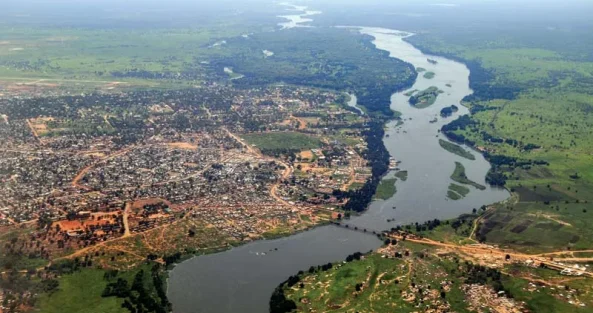
From expansive wetlands and open savannahs to remote cattle camps and riverine kingdoms along the Nile, South Sudan appeals to travellers seeking authentic cultural immersion, raw nature, and meaningful exploration beyond the mainstream.
Cultural Landscapes & Living Traditions
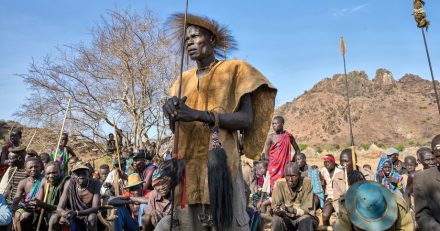
With more than 60 distinct ethnic groups, South Sudan is one of Africa’s most culturally diverse countries. Communities here continue to live according to deeply rooted customs shaped by cattle culture, seasonal movement, ritual, and oral history.
Key Cultural Communities of South Sudan
Among the most culturally significant and visually distinctive groups are:
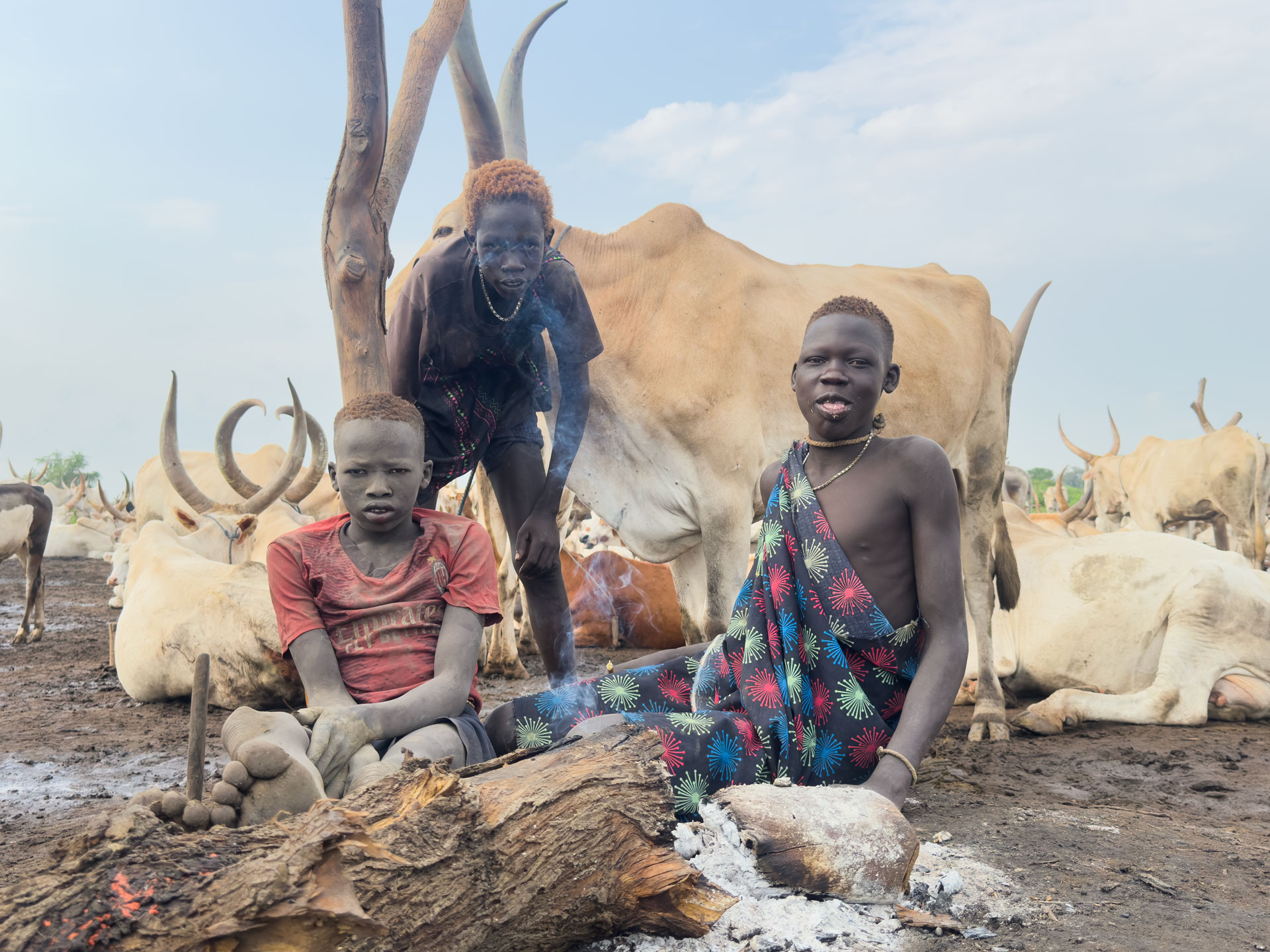
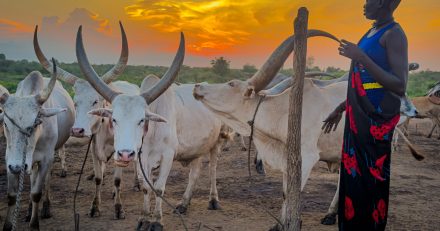
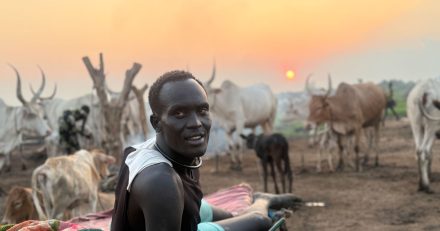
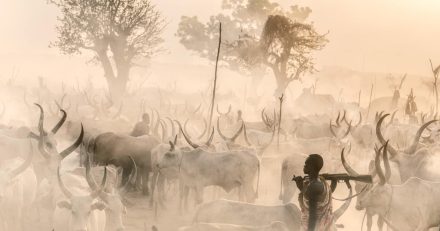
- Mundari – renowned for their iconic cattle camps, ash-covered rituals, and deep spiritual bond with long-horned Ankole cattle
- Dinka – South Sudan’s largest ethnic group, known for poetry, scarification, and age-set traditions
- Nuer – pastoralists with rich ceremonial life and strong communal identity
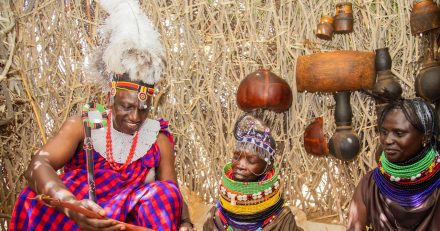
- Toposa & Jie – semi-nomadic groups of the east, recognised for beadwork, body adornment, and vibrant dances
- Murle – culturally resilient communities with unique traditions and social structures
- Shilluk – a historic Nile kingdom with royal customs and strong spiritual heritage
- Bari, Lotuko & Acholi – agricultural and riverine communities with rich music, storytelling, and craftsmanship
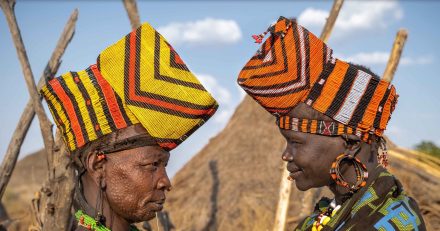
Each community expresses identity through body art, dress, song, dance, ritual gatherings, and daily pastoral or agricultural life.
Meaningful Cultural Experiences
Travel in South Sudan is centered on participation, observation, and respect, rather than performance or staged encounters. Experiences may include:
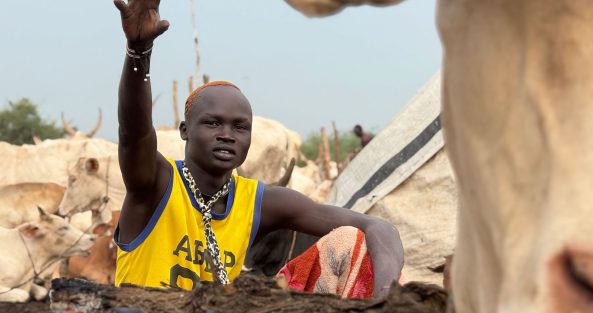
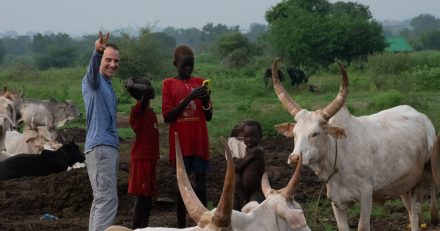
- Time spent at traditional cattle camps, where poetry, song, and daily life revolve around livestock
- Visits to remote villages, offering insight into family structures, customs, and subsistence lifestyles
- Exploration of local markets, showcasing beadwork, metalwork, pottery, and handmade tools
- Attendance at ceremonial gatherings, dances, or seasonal events when culturally appropriate
These encounters provide rare, unfiltered insight into cultures that continue to live largely as they have for centuries.
Wilderness, Wetlands & Wildlife
South Sudan’s natural landscapes are vast, remote, and ecologically significant, forming some of Africa’s least explored wilderness areas.
Natural Highlights Include
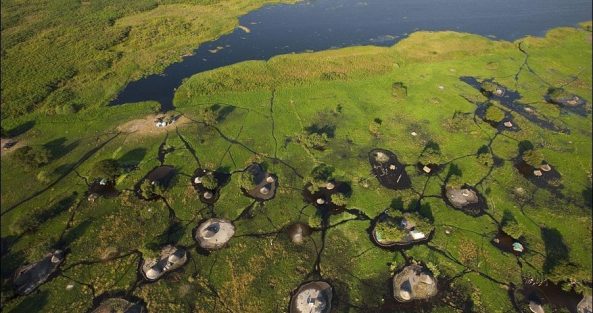
- The Sudd Wetlands – one of the largest freshwater wetlands on Earth, home to exceptional birdlife and rare species such as the shoebill stork
- Boma & Bandingilo National Parks – expansive, unfenced ecosystems supporting elephants, giraffes, buffalo, lions, and antelope
- The White-Eared Kob Migration – one of the world’s largest mammal migrations, often described as Africa’s greatest wildlife spectacle you’ve never heard of
Whether travelling by vehicle, on foot, or by boat along the Nile and its tributaries, wildlife encounters here are raw, unscripted, and deeply immersive.
A Destination for Cultural & Documentary Photography
South Sudan is one of Africa’s most powerful destinations for cultural, documentary, and expedition-style photography. The combination of dramatic light, open landscapes, ceremonial life, and unaltered traditions creates extraordinary storytelling opportunities.
Photographers are drawn to:
- Cattle camps at dawn and dusk
- Ceremonial body art and adornment
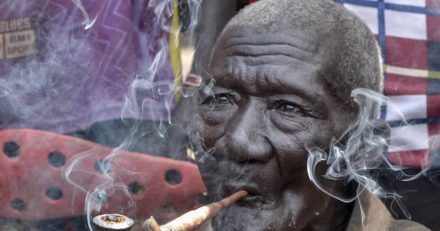
- Portraits shaped by identity, resilience, and place
- Vast wetlands, savannahs, and migration corridors
This is a destination for photographers seeking depth, narrative, and authenticity, rather than surface imagery.
Who South Sudan Is For
South Sudan is best suited to:
- Experienced travellers seeking remote destinations
- Cultural explorers and anthropological enthusiasts
- Documentary and cultural photographers
- Adventurous travellers comfortable with flexible, expedition-style travel
It is not a conventional safari destination, but a place for those willing to engage deeply with people, landscape, and context.
Why Travel with Wild Compass Africa
Wild Compass Africa specialises in carefully planned, ethically guided journeys into South Sudan, working closely with local communities and experienced guides to ensure respectful and meaningful travel.
Our South Sudan experiences focus on:
- Genuine cultural engagement, not staged encounters
- Small-group or private travel
- Photography-focused and exploratory itineraries
- Responsible community interaction and fair compensation
Every journey is designed with cultural sensitivity, safety awareness, and narrative depth at its core.
Experience South Sudan
A land of enduring traditions, vast wilderness, and stories yet to be told — explored responsibly with Wild Compass Africa
Dry Season (December–March)
The dry season is the most popular time for travel, particularly for wildlife safaris, photography, and cultural excursions.
- Photography Advantage: Dry-season landscapes provide clear skies, golden light, and unobstructed views, ideal for cultural portraits, wildlife, and wide landscapes.
- Cultural Events: Many traditional ceremonies and cattle rituals are scheduled around the dry season, providing unique opportunities for authentic cultural immersion.
- Wildlife Viewing: Animals gather around water sources, making it easier to spot elephants, giraffes, buffalo, and antelope in national parks such as Boma and Bandingilo.
- Accessibility: Roads, tracks, and river routes are more reliable, enabling smoother travel to remote communitiesand wildlife areas.
- Comfort: Temperatures are generally moderate, and rainfall is minimal, reducing the risk of flooding and travel delays.
Tip: Even during the dry season, mornings and evenings can be cool, especially in highland areas like the Lopit Hills, so layering is recommended.
Wet Season (April–November)
While the wet season brings logistical challenges, it also offers unique visual and ecological experiences for those willing to venture into South Sudan’s wild landscapes.
- Lush Landscapes: Seasonal rains transform the savannah, wetlands, and riverine areas into vivid green scenery, creating stunning backdrops for photography and storytelling.
- Birdwatching Paradise: Wetlands like the Sudd become prime habitats for migratory and resident birds, including the rare shoebill stork. Birdwatchers and wildlife photographers can witness dramatic congregation of species.
- Fewer Tourists: This is the quiet season, allowing for more private cultural interactions and uninterrupted photography in remote areas.
- Challenges: Some regions may be difficult to access due to flooded roads and rivers, requiring experienced local guides and sometimes small boats or 4x4 vehicles with high clearance.
- Photography Advantage: The rains create vivid colors, reflective water surfaces, and dynamic skies, ideal for moody landscape shots and creative wildlife imagery.
Tip: Travel during the wet season is best suited for photographers and adventurous travelers who want dramatic, green landscapes and exclusive cultural access, rather than a standard safari experience.
Seasonal Summary Table
Dry Season (December–March)
Highlights
- Excellent wildlife visibility
- Reliable roads and river routes
- Key cultural ceremonies take place
Considerations
- Dusty conditions in some areas
- Can be hot during midday
Ideal For
- Wildlife & cultural photography
- Safari logistics and smooth travel
Wet Season (April–November)
Highlights
- Lush, vibrant landscapes
- Exceptional birdwatching opportunities
- Fewer tourists; more intimate experiences
- Seasonal wetlands at their most photogenic
Considerations
- Flooded roads and remote areas can be hard to access
- Travel may require 4x4 vehicles or boats
Ideal For
- Landscape & wildlife photography
- Experiencing intimate cultural moments
Extra Travel Notes
- Temperature: South Sudan can be hot during the day (30–40°C / 86–104°F), especially in lowlands. Highland regions such as the Lopit Hills are cooler and more comfortable.
- Mosquitoes & Health: Wet season increases mosquito activity, so anti-malarial precautions and repellent are essential.
- Photography Considerations: During both seasons, sunrise and sunset provide dramatic light, particularly over wetlands and villages. The wet season’s reflective waters add unique visual interest, while the dry season ensures clear, unobstructed views.
- Cultural Timing: Check local calendars — some traditional ceremonies occur only in specific months tied to cattle cycles, harvests, or festivals.
Travel Advice for South Sudan – Your Ultimate Guide
South Sudan, Africa’s youngest nation, is a land of untouched wilderness, rich cultural heritage, and extraordinary adventure opportunities. From the white-eared kob migration to the Sudd wetlands, travelers can explore remote landscapes and vibrant local communities. While the country offers incredible experiences, careful planning, informed decisions, and local expertise are essential to ensure a safe, smooth, and unforgettable journey.
1. Safety & Security
South Sudan has remote, sparsely populated regions with limited infrastructure. Safety depends on knowledgeable planning and professional guidance.
- Always consult up-to-date travel advisories before departure.
- Travel with experienced guides and reputable tour operators, such as Wild Compass Africa, to navigate remote areas safely.
- Avoid travel during periods of civil unrest and stay informed about local conditions.
- Carry emergency communication tools (satellite phone or offline GPS apps).
Tip: Wild Compass Africa ensures secure, well-planned itineraries that maximize adventure while prioritizing safety.
2. Best Time to Visit
Dry Season (December–March)
- Highlights: Excellent wildlife visibility; cultural ceremonies; reliable roads and river routes.
- Travel Conditions: Less rain; moderate temperatures; smooth travel to remote areas.
- Photography Advantage: Clear skies, golden-hour light, and unobstructed views ideal for wildlife, landscapes, and cultural portraits.
- Cultural Advantage: Many traditional cattle rituals and ceremonies occur in this season.
Wet Season (April–November)
- Highlights: Lush, vibrant landscapes; excellent birdwatching; fewer tourists; wetlands at their most dramatic.
- Travel Considerations: Flooded roads and remote areas may require 4x4 vehicles or boats; travel can be slower.
- Photography Advantage: Green landscapes, reflective waters, and dynamic skies create stunning visual opportunities.
- Adventure Advantage: Exclusive access to remote communities and unique wildlife behaviors.
Tip: Both seasons offer distinct photographic and cultural experiences, so choose based on your interests — dry for wildlife visibility, wet for dramatic landscapes and exclusive cultural access.
3. Entry Requirements & Visas
- Most travelers need a valid passport and visa.
- Apply in advance via South Sudanese embassies or trusted agencies.
- Vaccination proof is mandatory for yellow fever.
- Wild Compass Africa provides visa guidance, permits, and vaccination advice to ensure smooth entry.
4. Health & Vaccinations
- Recommended vaccines: yellow fever, hepatitis A & B, typhoid, and routine immunisations.
- Malaria prevention is essential; take prophylaxis and use insect repellent.
- Bring a basic first-aid kit, especially for remote travel.
- Highland areas (e.g., Lopit Hills, Boya, Laarim) may have cooler evenings—bring layers.
- Stay hydrated and avoid untreated water.
Tip: Follow your guide’s advice for safe drinking water, food hygiene, and local health practices.
5. Travel Logistics & Transportation
- Air Travel: Juba International Airport is the main entry point. Domestic air charters can reach remote locations.
- Road Travel: Roads vary from paved highways to rough tracks. 4x4 vehicles are recommended, especially in rural areas.
- River Travel: The Nile and Sudd wetlands offer unique exploration opportunities.
- Duration: Travel times can be long due to terrain; Wild Compass Africa plans itineraries accordingly.
Tip: Private transport with experienced drivers ensures safe, reliable, and efficient travel across the country.
6. Cultural Etiquette & Local Customs
South Sudanese communities are welcoming but conservative. Respect and sensitivity are essential.
- Dress modestly; avoid revealing clothing.
- Ask permission before photographing people, especially during rituals.
- Participate respectfully in ceremonies, festivals, and village visits.
- Guides ensure authentic cultural interaction without exploitation.
Tip: Photography-focused travellers should plan visits around tribal rituals and ceremonial schedules for optimal opportunities.
7. Key Tribes & Cultural Highlights
South Sudan is home to over 60 ethnic groups, each with unique customs, dress, and traditions. Key communities include:
- Mundari: Iconic cattle camps, ash-covered rituals, and pastoral traditions.
- Dinka: Poetry, scarification, and age-set ceremonies.
- Nuer: Pastoral communities with vibrant rituals and dance.
- Toposa & Jie: Semi-nomadic groups, beadwork, and ceremonial attire.
- Lopit, Boya & Laarim: Highland communities with elaborate scarification, body painting, and distinctive hairstyles.
- Murle: Unique social structures and ceremonial customs.
- Shilluk: Historic Nile kingdom with royal rituals.
- Bari, Lotuko & Acholi: Agricultural communities with rich music, storytelling, and crafts.
Tip: Wild Compass Africa creates itineraries to maximize encounters with multiple tribes, while respecting local consent and timing of cultural events.
8. Packing Essentials
For South Sudan, packing requires both practicality and cultural awareness:
- Lightweight, breathable clothing for hot days
- Long sleeves/pants for sun, insects, and village visits
- Layers for cooler highlands and evenings
- Sturdy walking shoes or boots
- Hat, sunglasses, and scarf/shawl for ceremonies
- Photography gear: Camera, lenses, tripod, extra memory cards, cleaning kit
- Binoculars for wildlife
- Mosquito repellent, sunscreen, water bottles, hydration pack
- Travel documents, passport, visa copies, local currency (USD recommended)
- Portable charger/power bank and offline maps
- Basic first-aid kit, including malaria meds
9. Connectivity & Communication
- Mobile networks exist primarily in urban areas like Juba; remote regions may have limited or no coverage.
- Satellite phones or offline GPS apps are recommended for expedition-style travel.
- Guides help ensure navigation and emergency preparedness.
10. Unique Experiences to Include
- Boma & Bandingilo National Parks: Safaris for elephants, giraffes, lions, and antelope
- Sudd Wetlands: Boat safaris, birdwatching, and reflective photography opportunities
- Tribal Visits: Cattle camps, ceremonial dances, traditional body art
- White-Eared Kob Migration: Witness one of Africa’s greatest ungulate migrations
- Nile Adventures: Scenic boat trips, wildlife observation, and photography
Tip: A well-structured itinerary balances cultural, wildlife, and photographic opportunities while maintaining safety and respect for communities.
Sudan Safari Packages
Clients Reviews
Destinations
Itineraries
Follow us
Get Intouch

©2026 Wild Compass Africa | Brand by Robylinks Solutions
TERMS & CONDITIONS TRAVEL BLOG