
Photography Safaris
Scroll for more Info
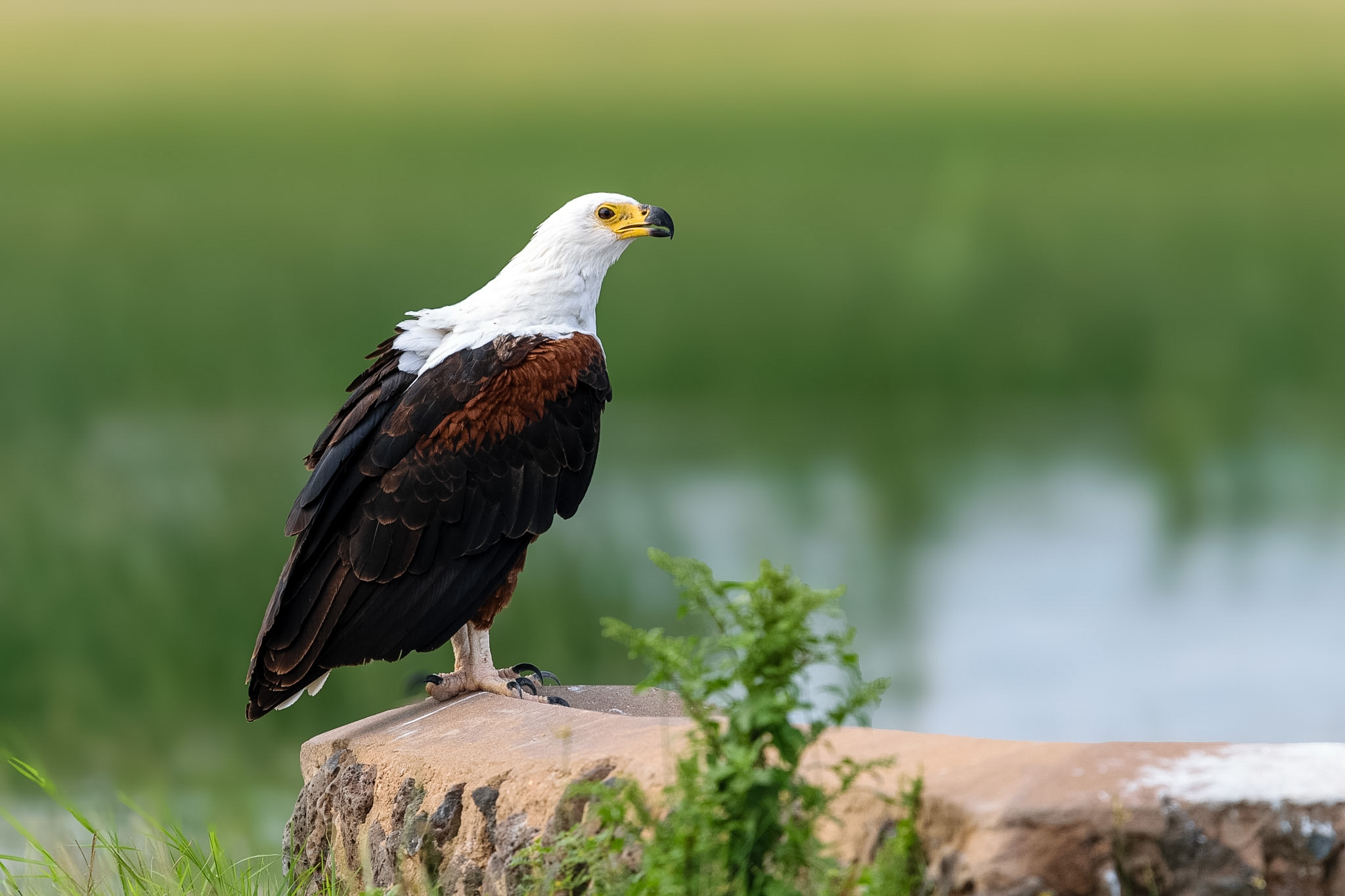
Get Closer to the Moment
A good wildlife photograph often comes down to patience, timing, and being in the right place when something happens. A lion emerging from the grass, elephants crossing an open plain, or a bird catching the morning light can turn an ordinary game drive into a memorable photographic experience.
Kenya offers remarkable variety for photographers. From the wildlife-rich plains of the Maasai Mara to the elephant country of Amboseli and the rugged landscapes of Samburu, each region brings different subjects, light and opportunities to work with a camera.
Our photography safaris are planned around your interests, whether you want to photograph wildlife, birds, landscapes or the people and cultures that give Kenya its character.
A Safari Built Around Photography
A photographic safari allows more room to concentrate on the images you want to make. Rather than simply moving from one sighting to the next, the day can be shaped around wildlife activity, changing light and the time needed to observe animal behaviour.
Early mornings often bring soft light and active wildlife, while late afternoons offer warmer tones and opportunities for backlit subjects and dramatic silhouettes. When a sighting allows, staying a little longer can make the difference between a record shot and a photograph with real character.
Your guide helps identify photographic opportunities, considers the position of the vehicle, and works with you to make the most of the available light and viewing angles. Wildlife remains unpredictable, of course, but a thoughtful approach gives you more opportunities to respond when something happens.
The Right Guide Makes a Difference
A guide who understands wildlife behaviour can be invaluable to a photographer. Recognising signs of movement, reading the direction of the light, and anticipating what an animal might do next all help when preparing for a shot.
Photography experience also matters. Understanding focal lengths, exposure, focus settings and the challenges of shooting from a vehicle allows a guide to offer more useful support, especially when a sighting develops quickly.
At Wild Compass Africa, photographic safaris can be tailored to your level of experience and interests. You may want help finding the right angle for a portrait, more time to work with birds in flight, or the flexibility to explore different compositions at a wildlife sighting.
The aim is to give you the time, guidance and space to work at your own pace.
Photographic Destinations Across Kenya
Maasai Mara
The Maasai Mara is one of Kenya’s leading destinations for wildlife photography. Its open grasslands, scattered acacia trees and rich concentration of predators offer opportunities to photograph lions, cheetahs, elephants, giraffes and other wildlife.
The landscape also lends itself to wider compositions, particularly during the changing light of early morning and late afternoon. Seasonal movements of wildebeest and zebra can add another dimension to a safari, depending on the time of year.
Amboseli National Park
Amboseli is particularly known for its elephants and expansive views towards Mount Kilimanjaro when the weather is clear. Photographers can work with elephant family groups, dusty tracks, wetland birds, and the contrast between wildlife and the mountain backdrop.
The landscape offers opportunities for both close wildlife portraits and wider environmental images that place animals within their surroundings.
Samburu and Northern Kenya
Northern Kenya offers a different photographic experience, with dry-country landscapes, riverine woodland, rocky hills and distinctive wildlife. Samburu is known for species such as Grevy’s zebra, reticulated giraffe, gerenuk and Somali ostrich.
The changing textures of the landscape, the contrast between dry ground and river vegetation, and the region’s birdlife provide plenty to explore beyond conventional big-game photography.
For photographers interested in people and place, northern Kenya can also offer opportunities to learn about pastoral livelihoods and local cultures through carefully arranged, respectful community encounters.
More Than Wildlife Photography
Kenya offers subjects beyond the animals encountered on game drives. Bird photography, landscapes, cultural portraits and the small details of the natural world can all become part of the journey.
Birders and photographers may enjoy spending time near rivers, wetlands and woodland edges, where patient observation can reveal feeding behaviour, courtship displays and birds interacting with their surroundings.
Landscape photography offers another perspective. Mist over distant hills, storm clouds gathering above the plains, acacia silhouettes and the last light of the day can be as compelling as a close-up of a lion.
Where cultural photography is part of the itinerary, visits should be arranged with local hosts, with permission sought before taking portraits. This allows photography to become a respectful exchange rather than simply an opportunity to collect images.
Vehicles and Equipment for a Photo Safari
The vehicle can make a real difference to the photographic experience. Good visibility, comfortable seating, room for camera equipment, and the ability to position safely at a sighting all help when working with wildlife.
Vehicle types and photographic facilities vary between destinations, camps and conservancies. Where available, specialised photographic vehicles can offer additional space and flexibility, while a well-arranged private safari vehicle provides greater control over the pace of the day.
For photographers travelling with long telephoto lenses, beanbags or other suitable camera supports can help reduce movement when shooting from a stationary vehicle. Spare batteries, memory cards and protection against dust and rain are also worth bringing.
If you have particular equipment or accessibility requirements, these can be discussed during the planning stage so that the vehicle and itinerary are suitable for your needs.
When to Photograph Kenya
Kenya offers photographic opportunities throughout the year, but conditions vary by region and season.
The drier months can make wildlife easier to locate in some areas, while seasonal rainfall transforms the landscape, brings fresh vegetation, and creates different photographic conditions. The timing of the wildebeest migration in the Maasai Mara varies from year to year, so travel dates should be chosen with flexibility in mind.
For many photographers, the most productive periods of the day are early morning and late afternoon, when the light is often softer, and many animals are active. Midday can still be worthwhile for bird photography, close wildlife portraits, unusual behaviour and subjects in shaded areas.
The best time to travel depends on the wildlife, locations and types of photographs you want to prioritise.
Plan Your Kenya Photography Safari
Whether you are an experienced wildlife photographer or simply want to return home with stronger images, a well-planned photographic safari gives you the opportunity to look beyond the usual game-drive routine.
Wild Compass Africa can tailor your journey around your preferred subjects, destinations, camera equipment, and travel dates. From the open plains of the Maasai Mara to the elephants of Amboseli and the distinctive wildlife of Samburu, your safari can be shaped around the photographs you hope to capture.
Bring your camera, take your time, and let Kenya unfold through the lens.
More Kenya Experiences
Suggested Kenya Safaris
Clients Reviews
4.9 Tripadvisor


Inspire - London
Experience in Uganda with Jaz Abaho
We were three Austrian couples and a Ugandan friend who spent 12 days traveling through Uganda with Jaz Abaho, the owner of Wild Compass Africa.
Written March 29, 2026


Destinations
Experiences
Follow us
Get Intouch
info@Wildcompassafrica.com
wildcompassafrica@gmail.com
+256 779 252 533 |WhatsApp
Contact your Travel Advisor