
Hiking
Scroll for more Info
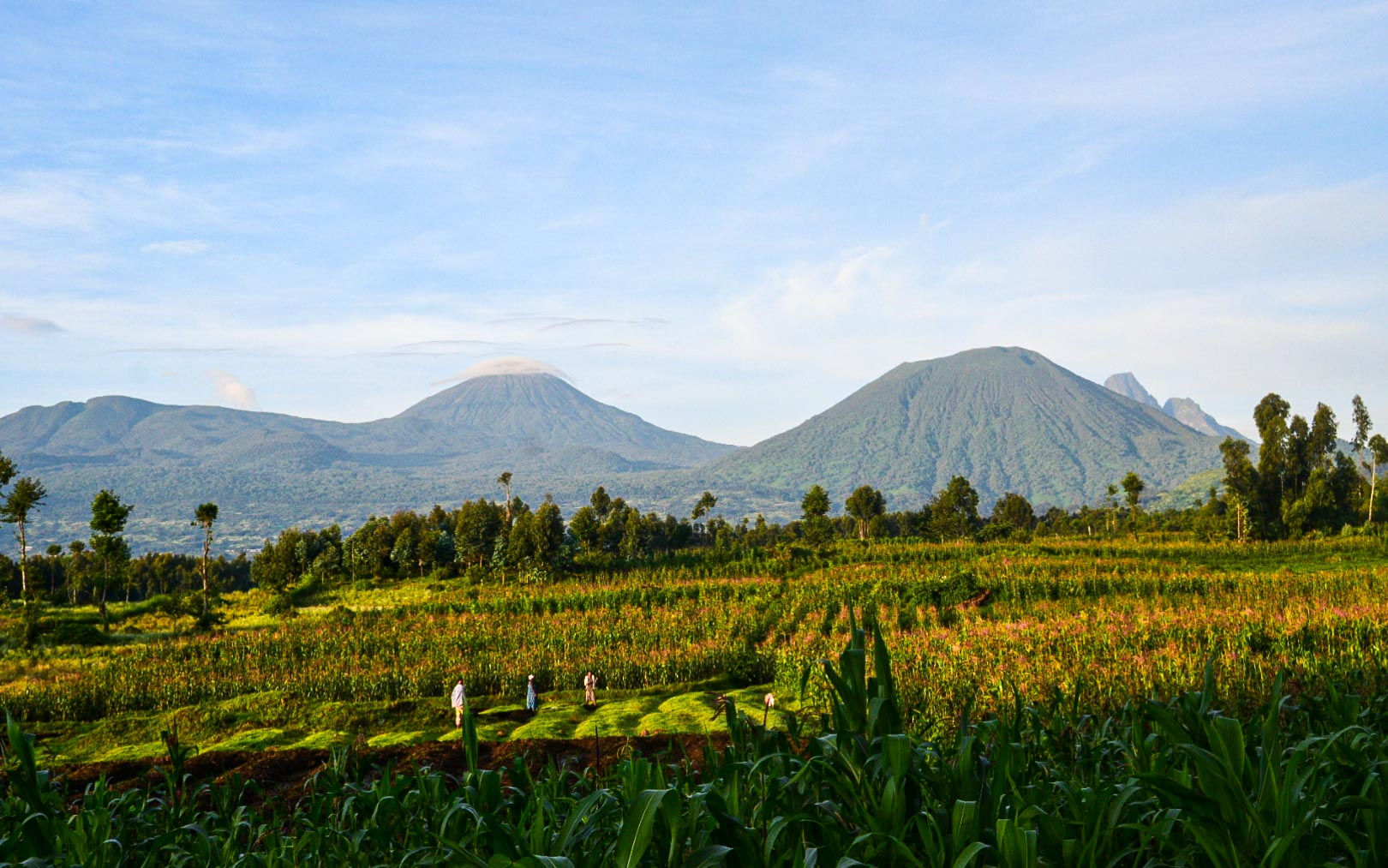
A Land Of A Thousand Hills
Rwanda is a country worth exploring on foot. In the north, trails climb the volcanic slopes of the Virunga Mountains. Further south, paths wind through the ancient rainforest of Nyungwe, while the hills above Lake Kivu offer long-distance walks through farming communities and small villages.
Each area has its own character. Mount Bisoke challenges hikers with a steep ascent to its crater lake. Nyungwe is better suited to those who enjoy forest trails, birds, and waterfalls. Along the Congo Nile Trail, the journey is as much about the people and places along the route as the walking itself.
At Wild Compass Africa, we can help you choose a route that fits your plans, whether you want a demanding mountain hike or a few hours outdoors between wildlife experiences. Hiking can also be part of a longer Rwanda trip, alongside gorilla trekking, chimpanzee tracking, and time beside Lake Kivu.
Hiking Experiences Across Rwanda
Volcano Hiking in Volcanoes National Park
The volcanic landscapes of northwestern Rwanda provide some of the country’s most rewarding mountain hikes. Rising through bamboo forests, montane vegetation and higher-altitude terrain, the trails offer changing views of the Virunga range and its surrounding countryside.
Mount Bisoke is a popular choice for hikers seeking a full-day ascent to a crater lake at approximately 3,711 metres. The route involves steep and sometimes muddy sections, requiring stamina and suitable footwear.
For a shorter outing, the hike to Lake Ngezi offers an alternative in the Mount Bisoke area. More experienced hikers can consider Mount Karisimbi, Rwanda’s highest volcano at approximately 4,507 metres, which is generally undertaken as a two-day expedition with an overnight camp.
These hikes can be combined with gorilla trekking or other experiences in Volcanoes National Park, subject to permit availability, timing and the physical demands of each activity.
Rainforest Hiking in Nyungwe Forest National Park
Nyungwe’s mountainous rainforest provides a network of trails through dense vegetation, forested ridges, valleys and waterfalls. Hiking here brings opportunities to appreciate the forest’s plant life, birdlife and primates while exploring one of Rwanda’s most important protected ecosystems.
The Igishigishigi Trail offers a shorter walk associated with views of the forest canopy walkway, while trails such as Imbaraga and Bigugu provide more demanding options for visitors seeking longer hikes. The Isumo Waterfall Trail leads through forest and tea-growing landscapes towards one of the park’s notable waterfalls.
Trail lengths, difficulty, and access arrangements vary. We can help identify suitable options based on your available time, interest in wildlife or photography, and preferred level of physical challenge.
Hiking the Congo Nile Trail
Following the western side of Lake Kivu, the Congo Nile Trail offers a different kind of hiking experience. Rather than focusing on a single summit, the route connects green hills, rural settlements, coffee-growing areas, lakeside communities and viewpoints across Rwanda’s western landscape.
The full trail extends for approximately 227 kilometres and is commonly completed over several days. Travellers with less time can explore selected sections instead of undertaking the entire route.
Along the way, the journey offers opportunities to encounter everyday rural life, learn about local agriculture and enjoy changing views across Lake Kivu. Accommodation and walking distances can be planned according to your preferred pace, from a short guided walk to a multi-day adventure.
Cultural and Countryside Walks
Not every hiking experience needs to involve a mountain summit or a demanding forest trail. Rwanda’s rolling hills and rural landscapes also offer opportunities for shorter walks that combine nature, local history and community life.
In the Nyanza area, designated cultural trails connect historical sites, countryside paths, wetlands and viewpoints. These routes provide a different way to explore Rwanda’s heritage while spending time outdoors.
Such walks can be incorporated into a broader itinerary for travellers who enjoy photography, cultural encounters and a more relaxed pace between longer hikes.
When to Go Hiking in Rwanda
Hiking is possible throughout the year, although weather and trail conditions vary between regions and seasons.
The generally drier periods, from June to September and December to February, often offer more favourable conditions for mountain hikes and longer walks. Trails may still be muddy, particularly in forested and high-altitude areas.
The wetter periods, especially March to May and around October to November, can bring heavier rainfall and slippery ground. They also offer lush vegetation, flowing waterfalls, and attractive conditions for forest photography.
The best time depends on the route you choose, your travel dates, and your comfort with changing weather. Mountain conditions can shift quickly, so preparation and local guidance remain important throughout the year.
Fitness and Preparation
Rwanda’s hiking routes range from relatively gentle forest walks to strenuous high-altitude climbs. Before choosing a trail, consider its distance, elevation gain, expected duration, and terrain.
Mountain hikes such as Mount Bisoke and Mount Karisimbi require a good level of fitness. Steep ascents, uneven ground, altitude, and changing weather can make these routes more demanding than their distances suggest. Shorter rainforest and countryside walks may be more suitable for travellers seeking a moderate outdoor experience.
We recommend preparing with regular walks or hikes before travelling and selecting footwear that provides good grip and support.
Useful items to bring include:
- Sturdy hiking boots or trail shoes suited to the route.
- Lightweight clothing and layers for changing temperatures.
- A waterproof jacket and protection for your daypack.
- Drinking water and suitable snacks.
- Sun protection and a hat.
- A medium first-aid kit and any personal medication.
- A camera or binoculars if you enjoy wildlife and birding.
For mountain and protected-area hikes, follow the instructions of your assigned guide and park staff. Some routes require permits, advance arrangements, and specific reporting times. Confirm these details before travel.
Hiking and Wildlife Experiences
One of the advantages of hiking in Rwanda is the opportunity to combine physical exploration with wildlife experiences. The forests and mountains support a range of birds, primates, and other wildlife, although sightings are never guaranteed.
In Volcanoes National Park, hiking can complement a mountain gorilla trekking experience or a visit to track golden monkeys. In Nyungwe Forest, walks can be combined with birding, chimpanzee trekking, or a canopy walkway visit, depending on availability and the time required for each activity.
For wildlife photographers and birders, walking with knowledgeable local guides can add valuable context to the landscapes, habitats and species encountered along the way.
Plan Your Rwanda Hiking Experience
Whether you are interested in climbing a Virunga volcano, exploring Nyungwe’s rainforest trails or walking along the hills of Lake Kivu, Rwanda offers options for different interests and levels of adventure.
Wild Compass Africa can help organise a hiking experience around your preferred route, available time and travel style. We can also incorporate hiking into a wider Rwanda journey that includes gorilla trekking, wildlife, birding, cultural experiences and time to unwind.
Contact Wild Compass Africa to discuss your plans and create a Rwanda experience that takes you beyond the usual routes and into the country’s remarkable landscapes.
Rwanda Safari Packages
Clients Reviews
4.9 Tripadvisor


Inspire - London
Experience in Uganda with Jaz Abaho
We were three Austrian couples and a Ugandan friend who spent 12 days traveling through Uganda with Jaz Abaho, the owner of Wild Compass Africa.
Written March 29, 2026


Destinations
Experiences
Follow us
Get Intouch
info@Wildcompassafrica.com
wildcompassafrica@gmail.com
+256 779 252 533 |WhatsApp
Contact your Travel Advisor