Skip to content

Lake Kivu – Rwanda’s Serene Lakeside Escape

Scroll for more Info
{{brizy_dc_image_alt imageSrc=

Discover Tranquility, Adventure, and Culture

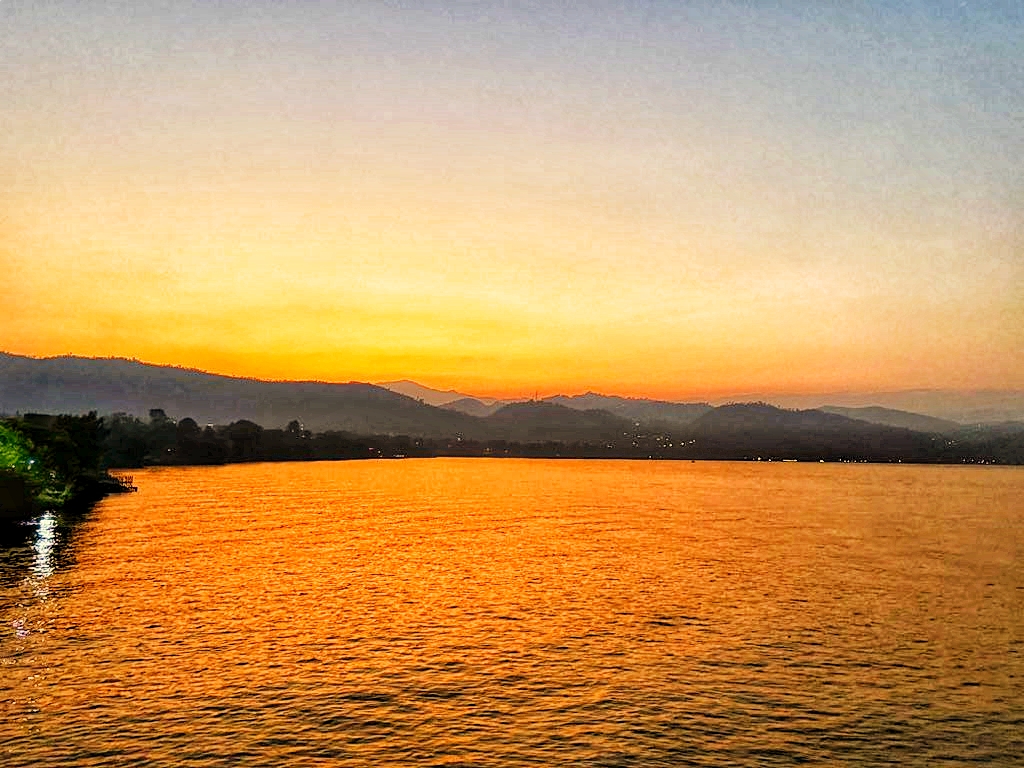
Stretching along Rwanda’s western border with the Democratic Republic of Congo, Lake Kivu is one of Africa’s Great Lakes. Its sparkling turquoise waters, volcanic hills, and lush shoreline make it a haven for travelers seeking relaxation, adventure, and cultural immersion. Often paired with gorilla or chimpanzee trekking, Lake Kivu offers a peaceful lakeside retreat after Rwanda’s rainforest or savannah adventures.

Why Lake Kivu is a Must-Visit

Relaxation & Scenic Beauty

The calm waters and rolling hills provide the perfect escape. Lakeside beaches and quiet coves invite swimming, sunbathing, or simply enjoying the reflections of volcanic hills mirrored on the lake’s surface. It’s ideal for couples, honeymooners, and wellness travelers seeking serenity.

Cultural Experiences

Visit local fishing villages, coffee and tea plantations, and artisan cooperatives. Watch fishermen bring in their daily catch, learn traditional coffee and tea processing techniques, or try your hand at weaving or pottery with local artisans. These immersive encounters allow travelers to connect with Rwandan life beyond the tourist lens.

Water & Lakeside Activities

  • Kayaking & Paddleboarding: Glide across calm waters, spotting birds and fish along the way.
  • Boat Trips: Explore nearby islands, interact with fishing communities, or enjoy a sunset cruise.
  • Scenic Walks & Hikes: Trails along volcanic hills and lakeside paths offer breathtaking views and photography opportunities.

Wildlife & Birdwatching

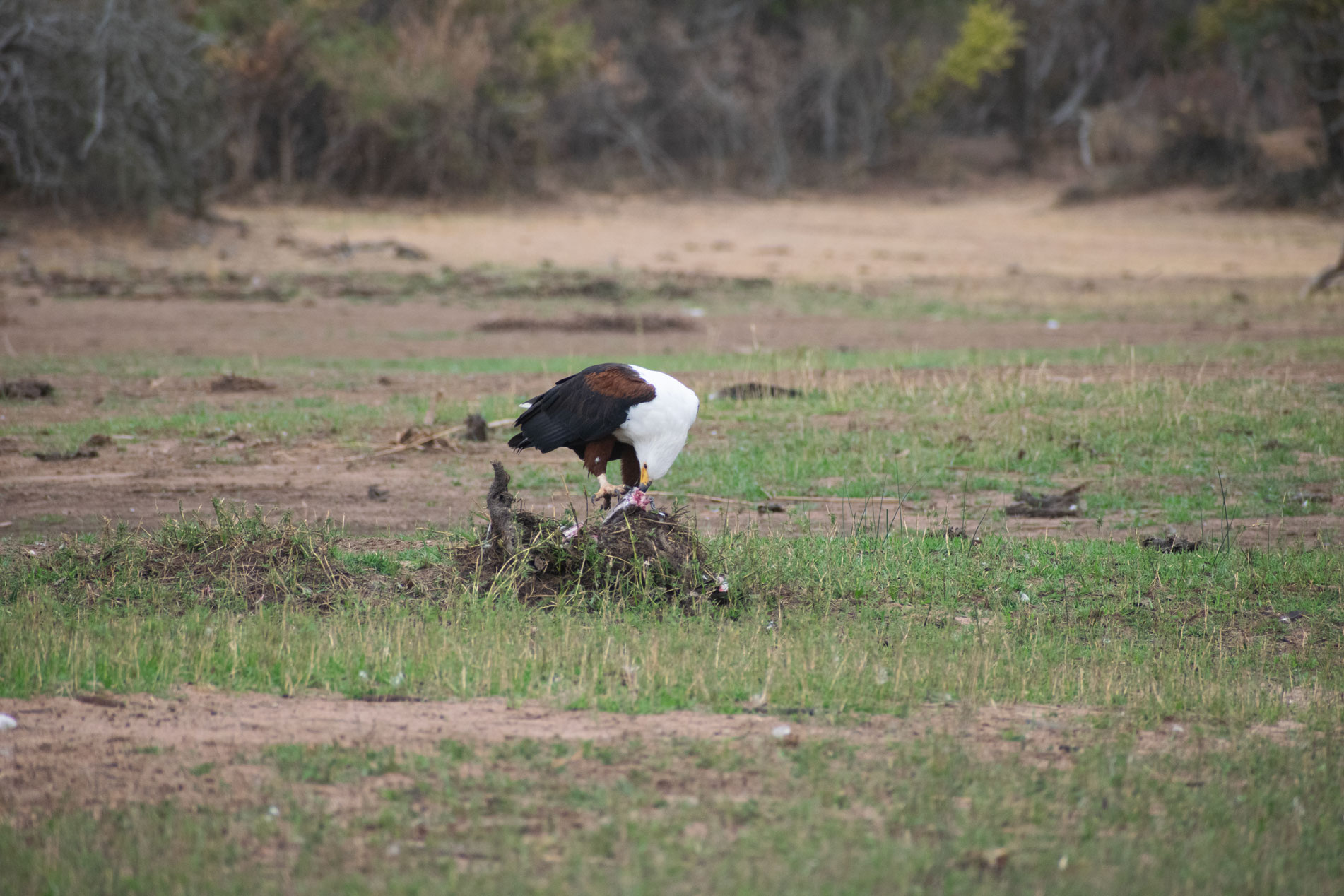
Lake Kivu is home to a variety of birds, including African fish eagles, pelicans, kingfishers, and cormorants. Morning and late afternoon provide the best light for observing these species and capturing stunning photographs.

Travel & Access

Location: Lake Kivu stretches along Rwanda’s western border. Key towns on the Rwandan side include Gisenyi (Rubavu), Karongi (Kibuye), and Cyangugu (Rusizi).

  • Distance from Kigali: Approximately 3–4 hours by road from Kigali, making it a convenient stop before or after safari adventures.
  • Best Transportation: A reliable car or 4×4 is recommended, especially if planning to explore remote lakeside areas or volcanic hills.

Access Points:

  • Gisenyi (Rubavu): Vibrant lakeside town with markets, restaurants, and easy access to water sports.
  • Karongi (Kibuye): Quieter, romantic lakeside destination with luxury lodges and stunning sunsets.
  • Cyangugu (Rusizi): Southern access point, peaceful lodges, proximity to Nyungwe Forest.

Suggested Itineraries

Half-Day Lakeside Experience:

  • Morning: Kayak along the shoreline or take a short boat trip to a fishing village
  • Midday: Visit a coffee or tea plantation
  • Afternoon: Lakeside stroll or swimming, ending with sunset reflections

Full-Day Immersion:

  • Early morning: Birdwatching along the lake
  • Late morning: Guided boat trip to islands or villages
  • Lunch: Lakeside picnic or local cuisine at a small lodge
  • Afternoon: Cultural visit to artisans or local communities
  • Evening: Sunset cruise and lakeside relaxation

Multi-Day Stay:

  • Combine Lake Kivu with Volcanoes National Park for gorilla trekking, or Nyungwe Forest for chimpanzee trekking, creating a balanced itinerary of adventure, wildlife, and lakeside leisure.

Step Into Lake Kivu’s Unique Charm

Lake Kivu is more than a stopover; it’s a destination in its own right, offering a mix of serenity, cultural immersion, and active adventure. Whether paddling across turquoise waters, hiking volcanic hills, or engaging with local communities, every moment here provides insight into Rwanda’s landscapes, people, and traditions.

Experience the tranquil beauty and authentic culture of Lake Kivu — a lakeside escape that perfectly complements any Rwanda safari adventure.

Rwanda Safari experiences


Kigali – Rwanda’s Cleanest, Safest, and Most Inspiring Capital


Big Five Safari in Akagera National Park


Chimpanzee Tracking in Nyungwe


Nyungwe Forest Canopy Walk


Lake Kivu – Rwanda’s Serene Lakeside Escape


Rwanda Safari Packages
15 Day Rwanda Uganda luxury safari


3-Day Rwanda Gorilla Trekking Safari


6-Day Gorilla and Golden Monkey Tracking Safari – Rwanda & Uganda


7 Days Rwanda Classic Wildlife Safaris


6-Day Rwanda–Uganda Chimpanzee, Gorilla & Golden Monkey Safari


10-Day Rwanda & Uganda Classic Gorilla & Chimpanzee Safari


8-Day Uganda–Rwanda Gorilla, Golden Monkey & Mount Sabinyo Hiking Safari


2-Day Gorilla Trekking Adventure in Uganda


Birdwatching Across Rwanda

Scroll for more Info

{{brizy_dc_image_alt imageSrc=

Rwanda may be small in size, but it is monumental when it comes to birdwatching. With over 700 bird species, including many rare Albertine Rift endemics, the country offers some of Africa’s richest and most accessible birding experiences. From misty montane forests and bamboo groves to sprawling savannahs and serene lakeshores, Rwanda provides a diverse and unforgettable landscape for birdwatchers, photographers, and nature enthusiasts alike.

Whether you are a seasoned ornithologist or simply a curious traveler with binoculars in hand, Rwanda’s birding experiences are complemented by world-class wildlife encounters, stunning landscapes, and accessible, well-guided trails.

Why Birdwatching in Rwanda is a Must-Do

Rwanda’s compact geography and high-altitude diversity create habitats that are rich in both resident and migratory species, making it a birding haven.

High Species Diversity: Spot rare endemics such as the Ruwenzori turacored-collared mountain babbler, and Grauer’s swamp-warbler, along with vibrant waterbirds and savannah specialists.

Varied Habitats: From rainforest canopies and bamboo zones to wetlands, lakes, and open savannahs, each ecosystem hosts unique species and behaviors.

Photographer’s Dream: The combination of clear skies, dramatic landscapes, and colorful plumage ensures memorable shots, whether capturing a shoebill stork wading or a turaco leaping through misty foliage.

Accessible Locations: Key birding sites such as NyungweAkageraVolcanoes, and Lake Kivu are all reachable via guided tours, with expert local knowledge ensuring sightings of rare and endemic species.

Top Birding Destinations in Rwanda

Nyungwe Forest National Park

Nyungwe’s dense rainforest and bamboo zones are home to over 300 bird species, including many Albertine Rift endemics. The forest is also a sanctuary for primates, so birding trips often include glimpses of red-tailed monkeys or chimpanzees in the canopy. Notable birds include the great blue turacoblack-collared apalis, and grey-capped warbler, often found along forest trails.

Akagera National Park

Akagera’s mosaic of savannah, woodland, and wetland ecosystems offers a distinctly different birding experience. Expansive wetlands and lakes attract large flocks of waterbirds such as shoebill storksAfrican fish eaglesherons, and pelicans, while open plains host species like African jacanas and kingfishers. Birding here is often combined with classic safari wildlife viewing, allowing for a dual experience of Big Five mammals and rare avian species.

Volcanoes National Park

In the montane forests and bamboo zones of Volcanoes National Park, birders can observe unique forest species such as the Rwenzori turacogolden-backed weaver, and mountain wagtail. These high-altitude habitats also provide opportunities to combine birding with scenic treks and primate tracking, including golden monkeys.

Lake Kivu

Rwanda’s largest lake offers excellent birding along its tranquil shores. Waterbirds such as African jacanascormorants, and kingfishers are abundant, especially in areas with papyrus swamps and reed beds. Lake Kivu’s combination of lakeside walks and small boat excursions allows birders to access species that are otherwise difficult to reach from land.

Gishwati-Mukura Forest

One of Rwanda’s emerging conservation areas, Gishwati-Mukura Forest is increasingly recognized for its dense rainforest and endemic species. This site offers intimate encounters with shy forest birds and rare species, making it ideal for those seeking off-the-beaten-path birding experiences.

Best Time for Birdwatching

Rwanda offers year-round birding, but timing can affect species visibility and trekking conditions:

Dry Seasons (June–September, December–February): Trails are easier to navigate, and visibility is excellent for spotting both forest and savannah species.

Wet Seasons (March–May, October–November): Forests are lush, breeding activity peaks, and migratory species arrive, providing an unmatched display of color and diversity.

Birding-Friendly Accommodation

Rwanda offers lodges that cater to birdwatchers, combining comfort with proximity to key habitats:

Nyungwe Top View Hill Hotel: Panoramic forest views, guided birding excursions, and comfortable amenities for extended stays.

One&Only Nyungwe House: Luxury lodge with expert guides, immersive forest experiences, and photography support.

Magashi Camp (Akagera): Safari lodge near wetlands and savannahs, ideal for early morning birding drives.

Lake Kivu Serena Hotel: Lakeside retreat with excellent access to waterbirds and tranquil photographic settings.

Tips for Exceptional Birdwatching

Hire Expert Guides: Local ornithologists know the best locations and seasonal behaviors of endemic species.

Bring the Right Gear: Binoculars, zoom lenses, field guides, and sturdy walking shoes enhance both comfort and sightings.

Early Starts: Birds are most active at dawn; morning walks often yield the richest sightings.

Respect Wildlife: Maintain safe distances, avoid disturbing nests, and tread lightly on fragile habitats.

Combine Birdwatching with Other Experiences

Rwanda’s small size allows birders to combine avian adventures with other wildlife and cultural activities:

Gorilla or Chimpanzee Trekking: Combine primate encounters with birding for a full wildlife experience.

Volcano and Mountain Hikes: Observe montane forest species along scenic trekking trails.

Akagera Safaris: See waterbirds while enjoying Big Five wildlife.

Lake Kivu Retreats: Combine lakeside relaxation with birdwatching

.

Why Choose Wild Compass Africa

Wild Compass Africa specializes in tailor-made birding safaris, offering expert guides, private vehicles, luxury lodges, and fully supported itineraries. We ensure that every birding trip in Rwanda is seamless, safe, and unforgettable, providing intimate access to endemic species, migratory flocks, and photogenic landscapes.

Experience Rwanda’s vibrant birdlife with Wild Compass Africa — where forests, lakes, and savannahs come alive with color, song, and movement.

Rwanda Safari experiences


Kigali – Rwanda’s Cleanest, Safest, and Most Inspiring Capital


Chimpanzee Tracking in Nyungwe


Birdwatching Across Rwanda


Big Five Safari in Akagera National Park


Lake Kivu – Rwanda’s Serene Lakeside Escape


Rwanda Safari Packages
15 Day Rwanda Uganda luxury safari


3-Day Rwanda Gorilla Trekking Safari


6-Day Gorilla and Golden Monkey Tracking Safari – Rwanda & Uganda


7 Days Rwanda Classic Wildlife Safaris


6-Day Rwanda–Uganda Chimpanzee, Gorilla & Golden Monkey Safari


10-Day Rwanda & Uganda Classic Gorilla & Chimpanzee Safari


8-Day Uganda–Rwanda Gorilla, Golden Monkey & Mount Sabinyo Hiking Safari


2-Day Gorilla Trekking Adventure in Uganda


Big Five Safari in Akagera National Park

Scroll for more Info

Akagera National Park Home Of The Big 5

Akagera National Park lies in eastern Rwanda along the border with Tanzania and protects approximately 1,122 square kilometers of savannah, woodland, wetland, and lake ecosystems. As Rwanda’s only savannah national park, Akagera offers a striking contrast to the country’s volcanic forests and highland landscapes. The park forms part of the wider Akagera River system, with a series of lakes and papyrus swamps sustaining wildlife throughout the year. Today, Akagera stands as one of East Africa’s most important conservation succ

ess stories and a rewarding destination for travelers seeking classic wildlife experiences with fewer crowds.

Wildlife in AkageraNational Park

Akagera supports a rich diversity of wildlife across its varied

habitats. The park is home to the Big Five, including lions, African elephants,

eastern black rhinos, Cape buffalo, and leopards, although leopards remain

naturally elusive due to their nocturnal and solitary behavior. In addition to

these iconic species, visitors frequently encounter giraffes, plains zebras,

topi, impala, waterbuck, bushbuck, warthogs, and large populations of hippos

and Nile crocodiles concentrated around the lakes and river channels. The open

plains and woodland areas provide excellent visibility, making game viewing

particularly rewarding.

Landscapes and Ecosystems

Akagera’s landscapes are defined by rolling savannah plains in the

north, acacia-dotted woodlands, low hills, and extensive wetland systems in the

south. A network of lakes, including Lake Ihema, Lake Rwanyakazinga, and Lake

Shakani, creates a visually striking environment while supporting a wide range

of aquatic and semi-aquatic species. Seasonal changes transform the park

dramatically, shifting from golden grasslands during the dry months to lush

green scenery after the rains. This ecological diversity is central to

Akagera’s appeal and its long-term conservation value.

Conservation and Community Impact

Akagera National Park’s recovery is one of Africa’s most notable

conservation achievements. Once heavily degraded, the park has been restored

through strong protection measures, wildlife reintroductions, and sustained

anti-poaching efforts. Conservation initiatives are closely linked with

surrounding communities through employment opportunities, tourism revenue

sharing, and education programs. This collaborative approach has ensured both

ecological recovery and local support, making Akagera a model for sustainable

conservation in Rwanda.

Safari Experiences in Akagera National Park

Game Drives

Game drives are the primary way to explore Akagera National Park and reveal the diversity of its savannah and wetland ecosystems. Morning drives are particularly rewarding, offering chances to see predators such as lions returning from nocturnal hunts, while herbivores gather in open plains to graze. Afternoon and early evening drives often focus on water sources, where elephants, buffaloes, giraffes, and antelope congregate. Akagera’s open terrain and well-maintained road network allow for relaxed, scenic game viewing with excellent visibility throughout much of the year.

Boat Safaris on Lake Ihema

Boat safaris on Lake Ihema offer a quieter and more immersive wildlife experience, providing a different perspective from traditional game drives. Gliding along the lake’s papyrus-lined shores, visitors encounter large pods of hippos, basking Nile crocodiles, and an impressive variety of water birds. The calm waters and soft light, especially in the late afternoon, make this one of the most photogenic experiences in Akagera.

Night Game Drives

Night drives introduce visitors to the park’s nocturnal wildlife and add depth to the safari experience. With the guidance of trained rangers, these drives increase the chances of spotting leopards, spotted hyenas, servals, civets, genets, and porcupines. The use of spotlights reveals animal behavior rarely observed during the day, offering a unique insight into Akagera’s after-dark ecosystem.

Birdwatching Experiences

Birdwatching is a highlight in Akagera, with the park hosting more than 490 bird species across its wetlands, savannahs, and woodland habitats. Lakes, swamps, and river channels support large populations of waterbirds, while open grasslands and acacia woodlands attract raptors and dry-country species. Whether combined with game drives or explored during boat safaris, birding in Akagera is rewarding for both casual observers and serious enthusiasts.

Best Time to Visit Akagera National Park

June to September – Peak Dry Season

This period offers the best overall wildlife viewing conditions. Vegetation is thinner, making animals easier to spot, and wildlife concentrates around permanent water sources such as Lake Ihema and river channels. Roads are dry and easily accessible, making this the most popular time to visit Akagera.

October – Short Rains Transition

October marks a transitional period as short rains begin. The landscape starts to turn green, wildlife remains active, and visitor numbers are lower than during the peak dry months. This is a good time for travelers seeking quieter experiences while still enjoying strong wildlife sightings.

November to December – Green Season and Birdlife

Short rains bring fresh vegetation and increased bird activity. Migratory birds arrive, making this period particularly attractive for birdwatchers. Wildlife disperses more widely, but scenic beauty and photographic opportunities improve significantly.

January to February – Dry Interval

This short dry spell offers excellent travel conditions, with good wildlife viewing and fewer crowds than the mid-year peak season. Water sources still attract animals, and temperatures are warm but manageable.

March to May – Long Rains

The long rainy season transforms Akagera into a lush, vibrant landscape. While some roads may be more challenging, this period is ideal for birdwatching, photography, and travelers who value scenery and tranquility over dense wildlife concentrations. Visitor numbers are at their lowest, creating a more exclusive feel.

Why Visit Akagera National Park

Akagera National Park offers an authentic savannah safari

experience in a compact and accessible setting, just a few hours from Kigali.

Its combination of classic wildlife, scenic landscapes, rich birdlife, and

strong conservation story makes it one of Rwanda’s most compelling natural

destinations. For travelers seeking wildlife beyond primate trekking, Akagera

delivers depth, diversity, and a genuine connection to East Africa’s savannah

ecosystems.

Rwanda Safari experiences


Nyungwe Forest Canopy Walk


Chimpanzee Tracking in Nyungwe

Rwanda Safari Packages

15 Day Rwanda Uganda luxury safari

3-Day Rwanda Gorilla Trekking Safari

6-Day Gorilla and Golden Monkey Tracking Safari – Rwanda & Uganda

7 Days Rwanda Classic Wildlife Safaris

6-Day Rwanda–Uganda Chimpanzee, Gorilla & Golden Monkey Safari

10-Day Rwanda & Uganda Classic Gorilla & Chimpanzee Safari

8-Day Uganda–Rwanda Gorilla, Golden Monkey & Mount Sabinyo Hiking Safari

2-Day Gorilla Trekking Adventure in Uganda

Nyungwe Forest Canopy Walk

Scroll for more Info

Rwanda’s Ultimate Primate & Forest Adventure

Walk above one of Africa’s largest montane forests, encounter rare primates, exotic birds, and breathtaking panoramic views at the Nyungwe Forest Canopy Walk in Rwanda.

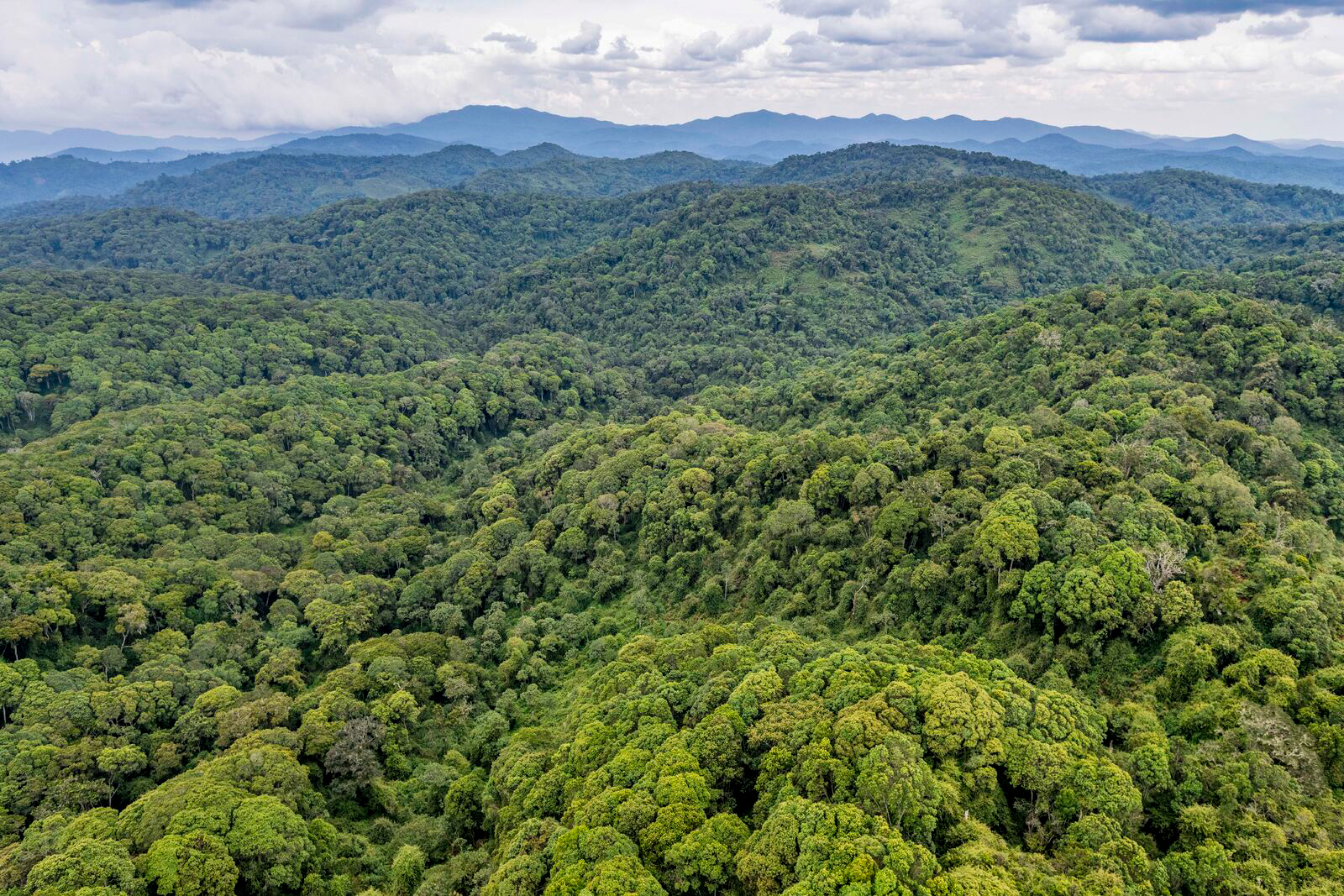
Nestled in southwestern Rwanda, Nyungwe National Park is East Africa’s largest protected montane rainforest, spanning over 1,600–2,000 km². This vast forest is a living treasure trove of biodiversity, containing 13 primate species, over 300 bird species, and countless unique plant varieties.

The Nyungwe Forest Canopy Walk is a rare opportunity to explore this forest from above. Suspended 70 meters above a deep gorge along a 160-meter-long bridge, the walkway provides stunning views of the mist-shrouded forest, waterfalls, and dramatic valleys. As you cross the bridge, you feel truly immersed in the forest’s ecosystem—birds calling overhead, monkeys leaping through branches, and sunlight filtering through dense foliage.

Nyungwe is famed for its primate diversity, including chimpanzees, blue monkeys, L’Hoest monkeys, black-and-white colobus, red-tailed macaques, and the elusive owl-faced monkey. The park’s rich birdlife, with species such as turacos, sunbirds, eagles, and hornbills, makes it a haven for birdwatchers. The combination of wildlife, breathtaking scenery, and peaceful forest environment makes the canopy walk a must-do Rwandan adventure.

The Canopy Walk Experience

  • Starting Point: Uwinka Visitor Centre
  • Duration: 2–3 hours
  • Difficulty: Moderate, suitable for most ages
  • Highlights:
  • Begin with a forest trail walk under a dense canopy, spotting flora and fauna close to the ground.
  • Ascend to the canopy bridge, crossing over a deep gorge suspended above treetops.
  • Witness panoramic views of the Nyungwe rainforest, waterfalls, and valleys.
  • Spot monkeys, birds, and other wildlife in their natural habitats.

The walk is both exhilarating and educational, offering insight into the forest’s ecological significance, conservation efforts, and the delicate balance of species that thrive here.

Wildlife Encounters

Nyungwe National Park is a biodiversity hotspot. Visitors can expect

  • Primates:
  • Chimpanzees: Often spotted swinging through the trees or resting on branches.
  • Blue Monkeys and L’Hoest Monkeys: Agile and social, frequently observed in family groups.
  • Black-and-white Colobus: Distinguished by their striking fur, often seen feeding in the canopy.
  • Owl-faced Monkey: Rare and elusive, requiring patience to spot.
  • Birds: Over 300 species, including turacos, sunbirds, hornbills, eagles, and vultures.
  • Flora: Giant ferns, lobelias, mahogany trees, wild orchids, and dense understory vegetation create a lush environment.

The forest’s richness allows visitors to experience both rare wildlife sightings and the everyday rhythm of the rainforest, making it perfect for photography and nature immersion.

Visiting Information

Timings & Tours

  • Tours start at 8:00 AM, 10:00 AM, 1:00 PM, and 3:00 PM.
  • The walk lasts 2–3 hours, including ground-level forest trails and the canopy bridge.
  • Early morning tours are ideal for primate activity and bird calls. Late afternoon tours offer dramatic lighting for photography.

Fees

  • Canopy Walk Fee: $40 per international visitor
  • Park Entry Fee: $60 for international visitors; $10 for EAC residents; $60 for East African ex-pats
  • Combined fees range $100–$200 depending on duration of stay.

How to Get There

  • By Road: 5–6 hours from Kigali via paved and secondary roads (private transfers or 4×4 vehicles recommended).
  • By Air: Scheduled helicopter transfers from Kigali International Airport (45 minutes) via Akagera Aviation or domestic flights to Kamembe followed by road transfer.

Suggested Itineraries & Activities

  • Half-Day: Canopy walk plus short forest trail hike.
  • Full-Day: Canopy walk, chimpanzee trekking, and birdwatching along Uwinka trails.
  • Multi-Day Adventure: Combine the canopy walk with:
  • Volcanoes National Park: Gorilla trekking, Golden Monkey tracking
  • Akagera National Park: Wildlife safari with elephants, lions, and rhinos
  • Cultural Experiences: Visits to local Rwandan communities for traditional dances and storytelling

Tips for Visitors

  • Clothing & Gear: Wear comfortable shoes, long-sleeved clothes, hat, and a light rain jacket.
  • Photography: Telephoto and wide-angle lenses recommended; early morning or late afternoon light is best.
  • Safety: Follow guide instructions, maintain distance from wildlife, and avoid loud noises or feeding animals.
  • Accessibility: Suitable for most fitness levels; caution advised for those with fear of heights.

Why the Nyungwe Canopy Walk is Unique

The Nyungwe Forest Canopy Walk is more than a forest trek. It’s a rare opportunity to:

  • Walk above a pristine montane rainforest
  • Witness diverse primates and birdlife in their natural habitat
  • Enjoy breathtaking panoramic views of valleys, gorges, and waterfalls
  • Combine adventure, wildlife observation, and ecological education in one activity

It is a must-visit for nature enthusiasts, wildlife photographers, and anyone seeking a truly immersive Rwandan experience.

Rwanda Safari experiences


Nyungwe Forest Canopy Walk


Big Five Safari in Akagera National Park


Lake Kivu – Rwanda’s Serene Lakeside Escape


Rwanda Safari Packages

15 Day Rwanda Uganda luxury safari


3-Day Rwanda Gorilla Trekking Safari


6-Day Gorilla and Golden Monkey Tracking Safari – Rwanda & Uganda


7 Days Rwanda Classic Wildlife Safaris


6-Day Rwanda–Uganda Chimpanzee, Gorilla & Golden Monkey Safari


10-Day Rwanda & Uganda Classic Gorilla & Chimpanzee Safari


8-Day Uganda–Rwanda Gorilla, Golden Monkey & Mount Sabinyo Hiking Safari


2-Day Gorilla Trekking Adventure in Uganda


Kigali – Rwanda’s Cleanest, Safest, and Most Inspiring Capital

Scroll for more Info

Discover Kigali: Rwanda’s Vibrant Capital

Kigali is more than a gateway to Rwanda — it’s a destination in its own right. Nestled among rolling green hills, this clean, safe, and modern city combines culture, history, and contemporary charm, making it ideal for families, solo travellers, and luxury visitors alike. Whether you’re seeking a relaxing stop before or after a safari, a cultural immersion, or a culinary adventure, Kigali offers a unique blend of Rwanda’s modern spirit and rich heritage.

Why Kigali is a Must-Visit

Vibrant City Life: Kigali is celebrated for its orderly streets, friendly locals, and low crime rate. Walking or driving through the city feels safe and stress-free, making it a joy to explore its neighbourhoods, bustling markets, and scenic viewpoints.

Art & Culture: Kigali’s art scene is thriving. Visit galleries such as Inema Arts CentreIvuka Arts Studio, and Kigali Cultural Village to discover contemporary Rwandan art, sculptures, and traditional crafts. Many galleries offer workshops where visitors can meet artists and try their hand at creative projects.

Local Markets & Handcrafts: Kimironko Market and Caplaki Craft Village are must-visits for those seeking authentic Rwandan souvenirs. From woven baskets and jewellery to vibrant fabrics, these markets capture the country’s artisanal heritage. Tip: bargaining is expected, and exploring with a local guide can uncover hidden gems.

Kigali Genocide Memorial: A profoundly moving experience, the memorial educates visitors on Rwanda’s history while honouring the lives lost. Walking through the memorial and museum provides insight into the nation’s journey of healing and reconciliation.

Culinary & Coffee Culture: Rwanda’s coffee is world-renowned. Join a coffee tasting at Question Coffee, or dine at Heaven RestaurantThe Hut, or Fusion Restaurant to enjoy a blend of local flavours and international cuisine. Don’t miss sampling traditional Rwandan dishes like brochettes, isombe, or akabenz.

Top Things to Do in Kigali

  • City Walking & Cultural Tours: Explore Kigali’s neighbourhoods, murals, artisan workshops, and historical sites while learning about the city’s transformation since the 1994 genocide.
  • Art Galleries & Studios: Meet local artists, enjoy contemporary exhibitions, and purchase unique artworks.
  • Markets & Shopping: From Kimironko Market’s lively atmosphere to boutique shops, there’s something for every souvenir hunter.
  • Coffee Tours & Tastings: Learn about Rwanda’s coffee journey, from bean to cup, and enjoy hands-on tasting sessions.
  • Kigali Genocide Memorial: A reflective visit to understand Rwanda’s history and resilience.
  • Rooftop Bars & Dining: Relax with panoramic city views while sipping cocktails or enjoying a gourmet meal.

Suggested 1–2 Day Kigali Itinerary

Day 1:

  • Morning: Kigali Genocide Memorial for a reflective start.
  • Afternoon: Kimironko Market for crafts, then a coffee tasting at Question Coffee.
  • Evening: Sunset drinks at a rooftop bar with city views, followed by dinner at Fusion Restaurant.

Day 2 (Optional):

  • Morning: Visit Inema Arts Centre and Ivuka Arts Studio.
  • Afternoon: Explore Caplaki Craft Village or Kigali Cultural Village.
  • Evening: Enjoy live music or a cultural performance at a local venue.

Luxury & Comfortable Accommodation

  • The Retreat by Heaven: Boutique luxury with spa, fine dining, and personalised service.
  • Kigali Serena Hotel: Classic 5-star hotel with gardens, pool, and central location.
  • Radisson Blu Kigali: Modern luxury with rooftop bar, panoramic city views, and pool.
  • Heaven Boutique Hotel: Mid-range charm with local décor and excellent dining.

Best Time to Visit

Kigali enjoys a mild, pleasant climate year-round, with temperatures between 20–27°C. One to two nights are sufficient for city exploration and cultural immersion before heading to Rwanda’s national parks or lakeside retreats.

Combine Kigali With…

  • Volcanoes National Park: 2.5-hour drive for gorilla trekking adventures.
  • Lake Kivu: 3-hour drive for relaxation by the lake.
  • Nyungwe Forest: 5–6 hours for chimpanzee trekking and canopy walks.
  • Akagera National Park: 2–2.5 hours to experience Big Five safaris.

Insider Tips

  • Kigali is very walkable, but taxis and car hires are convenient for distant attractions.
  • Try local street food and small cafés for authentic experiences.
  • Capture sunset photos from rooftops or scenic viewpoints across the city.
  • Attend local events like the Kigali Up Music Festival or Kwita Izina (gorilla naming ceremony) if visiting during festival periods.

Why Choose Wild Compass Africa

Wild Compass Africa offers tailor-made Kigali experiences, including private city tours, art excursions, coffee tastings, and Genocide Memorial visits. We handle all logistics, guides, and transfers, ensuring a smooth, enriching city stay. Discover the heart of Rwanda in Kigali — a perfect blend of culture, history, and modern African sophistication.

Rwanda Safari experiences


Birdwatching Across Rwanda


Big Five Safari in Akagera National Park


Chimpanzee Tracking in Nyungwe


Rwanda Safari Packages

15 Day Rwanda Uganda luxury safari


3-Day Rwanda Gorilla Trekking Safari


6-Day Gorilla and Golden Monkey Tracking Safari – Rwanda & Uganda


7 Days Rwanda Classic Wildlife Safaris


6-Day Rwanda–Uganda Chimpanzee, Gorilla & Golden Monkey Safari


10-Day Rwanda & Uganda Classic Gorilla & Chimpanzee Safari


8-Day Uganda–Rwanda Gorilla, Golden Monkey & Mount Sabinyo Hiking Safari


2-Day Gorilla Trekking Adventure in Uganda


Chimpanzee Tracking in Nyungwe

Scroll for more Info

{{brizy_dc_image_alt imageSrc=

Nyungwe Forest National Park – Rwanda’s Ancient Rainforest of Primates, Birds & Canopy Walks

Nestled in the mountainous southwest of Rwanda, Nyungwe Forest National Park is one of Africa’s oldest and most biologically rich rainforests, with origins dating back millions of years. Spanning over 1,019 square kilometres, this vast montane rainforest forms part of the Albertine Rift and is recognized as one of the continent’s most important conservation landscapes.

Nyungwe is a world apart from Rwanda’s volcanic parks. Instead of lava slopes and bamboo forests, visitors encounter misty emerald hills, dense canopies, deep valleys, waterfalls, and ancient trees, creating an immersive rainforest experience unlike anywhere else in East Africa.

This pristine wilderness is a sanctuary for chimpanzees, 12 other primate species, rare Albertine Rift birds, orchids, butterflies, and endemic flora, making Nyungwe a premier destination for primate tracking, birdwatching, hiking, and nature-based travel.

What Makes Nyungwe Forest National Park Unique

Chimpanzee Trekking in Nyungwe

Nyungwe is Rwanda’s top destination for chimpanzee tracking, offering thrilling early-morning treks into dense forest terrain. Two chimpanzee communities are fully habituated for tourism, and tracking often involves energetic movement as chimps feed, vocalize, and leap through the treetops.

This is an active and rewarding experience, ideal for travelers seeking a raw and immersive primate encounter. Treks are led by experienced park rangers who interpret chimp behaviour, forest ecology, and conservation efforts.

The Canopy Walkway – Nyungwe’s Signature Experience

The Nyungwe Canopy Walkway is one of the most iconic attractions in Central and East Africa. Suspended approximately 70 meters above the forest floor and stretching 160 meters in length, the walkway offers breathtaking views across treetops, valleys, and distant ridgelines.

Walking above the rainforest canopy provides a unique perspective on forest structure, birdlife, and primate movement. It is often combined with chimp trekking or guided nature walks and is suitable for adventurous travellers and photographers alike.

Primate Diversity & Wildlife

Nyungwe Forest is home to 13 primate species, making it one of Africa’s richest primate habitats. Highlights include:

  • Eastern chimpanzees
  • Ruwenzori colobus monkeys (troops of up to 300–400 individuals)
  • L’Hoest’s monkeys
  • Grey-cheeked mangabeys
  • Blue monkeys
  • Silver monkeys

While Nyungwe is primarily a forest and primate destination, it also supports other mammals such as serval cats, bushbucks, duikers, and numerous small forest species.

Birdwatching in Nyungwe Forest National Park – An Albertine Rift Stronghold

Nyungwe Forest National Park is one of Africa’s most important birding destinations, renowned for its concentration of Albertine Rift endemics and montane forest specialists. With over 300 recorded bird species, the park consistently ranks among the top birdwatching sites in East and Central Africa.

Birding in Nyungwe is conducted along forest trails, ridgelines, swamp edges, and canopy gaps, often combined with primate sightings and dramatic forest scenery. Specialist bird guides greatly enhance the experience, as many species are shy, vocal, or canopy-dwelling.

Albertine Rift Endemics & Nyungwe Specials

Nyungwe protects the largest number of Albertine Rift endemics in Rwanda, making it a must-visit site for serious birders. Key species include:

  • Ruwenzori Turaco (iconic forest species and a Nyungwe highlight)
  • Grauer’s Swamp Warbler (near-endemic and globally sought-after)
  • Red-collared Babbler (Albertine Rift endemic)
  • Ruwenzori Batis
  • Grauer’s Rush Warbler
  • Stripe-breasted Tit
  • Dusky Crimsonwing
  • Shelley’s Crimsonwing
  • Archer’s Robin-Chat

Forest & Canopy Species

Nyungwe’s layered forest structure supports a rich diversity of canopy and mid-storey species, including:

  • Great Blue Turaco
  • Black-and-white Casqued Hornbill
  • African Green Broadbill (highly prized sighting)
  • Yellow-crested Woodpecker
  • Bar-tailed Trogon
  • White-headed Wood Hoopoe

Swamp, Riverine & Edge Species

Swampy clearings and forest edges add further diversity, especially for skulking and wetland-associated birds:

  • Papyrus Gonolek
  • White-winged Swamp Warbler
  • Mountain Yellow Warbler
  • Grauer’s Broadbill
  • Cinnamon-chested Bee-eater

Why Birding in Nyungwe Stands Out

  • One of the highest concentrations of Albertine Rift endemics in Africa
  • Excellent combination of forest, swamp, and montane species
  • Opportunities to combine birding with chimpanzee tracking and canopy walks
  • Cooler montane climate ideal for long birding days

Birding is rewarding year-round, with expert guides leading specialized walks along forest trails and swamp edges.

Hiking Trails, Waterfalls & Forest Walks

Nyungwe boasts over 130 kilometres of well-maintained hiking trails, ranging from short interpretive walks to full-day forest treks. Trails pass through ancient trees, bamboo zones, orchid-rich sections, and remote forest interiors.

Popular hikes lead to:

  • Scenic waterfalls
  • Elevated viewpoints
  • Orchid and fern-rich forest zones
  • Hidden forest clearings

These guided walks offer excellent opportunities for photography, birdwatching, and deep immersion in one of Africa’s last intact montane rainforests.

Accommodation in and Around Nyungwe Forest National Park

One&Only Nyungwe House (Luxury)

Set on the edge of a tea plantation bordering the forest, One&Only Nyungwe House is Rwanda’s most luxurious forest lodge. It offers refined design, private balconies, fireplaces, a spa, infinity pool, gourmet dining, and seamless access to park activities.

Nyungwe Top View Hill Hotel (Mid-Range)

A comfortable lodge offering sweeping views of the forest canopy and, on clear days, Lake Kivu in the distance. Ideal for travellers seeking comfort without luxury pricing

Gisakura Guesthouse (Budget)

Located near the park headquarters, this is a practical option for birders, researchers, and budget-conscious travellers seeking proximity to forest activities.

Activities Available in Nyungwe Forest National Park

  • Chimpanzee tracking
  • Colobus monkey tracking
  • Canopy walkway experience
  • Guided birding walks
  • Waterfall and forest hikes
  • Tea plantation tours
  • Community and cultural encounters with local villages and dance groups

Best Time to Visit Nyungwe Forest National Park

Nyungwe is a rainforest and remains lush year-round, with mist and occasional rain expected at any time.

  • Best drier periods: June–September & December–February (ideal for hiking and chimp trekking)
  • Rainy seasons: March–May & October–November (excellent for birding, photography, and forest scenery)

Getting to Nyungwe Forest National Park

  • Road access: Approximately 5–6 hours’ drive from Kigali
  • Air transfers: Helicopter transfers available from Kigali or Akagera (15–45 minutes)
  • Combinations: Easily combined with Lake Kivu (1–2 hours by road) for a forest-and-lakeshore itinerary

Nyungwe Is Ideal For

  • Primate and chimpanzee enthusiasts
  • Birdwatchers and nature photographers
  • Active travellers and hikers
  • Luxury wellness travellers
  • Honeymooners seeking a secluded forest retreat

Rwanda Safari experiences


Lake Kivu – Rwanda’s Serene Lakeside Escape


Kigali – Rwanda’s Cleanest, Safest, and Most Inspiring Capital


Chimpanzee Tracking in Nyungwe


Nyungwe Forest Canopy Walk


Birdwatching Across Rwanda


Big Five Safari in Akagera National Park


Rwanda Safari Packages

15 Day Rwanda Uganda luxury safari


3-Day Rwanda Gorilla Trekking Safari


6-Day Gorilla and Golden Monkey Tracking Safari – Rwanda & Uganda


7 Days Rwanda Classic Wildlife Safaris


6-Day Rwanda–Uganda Chimpanzee, Gorilla & Golden Monkey Safari


10-Day Rwanda & Uganda Classic Gorilla & Chimpanzee Safari


8-Day Uganda–Rwanda Gorilla, Golden Monkey & Mount Sabinyo Hiking Safari


2-Day Gorilla Trekking Adventure in Uganda