Wildlife and Game Viewing
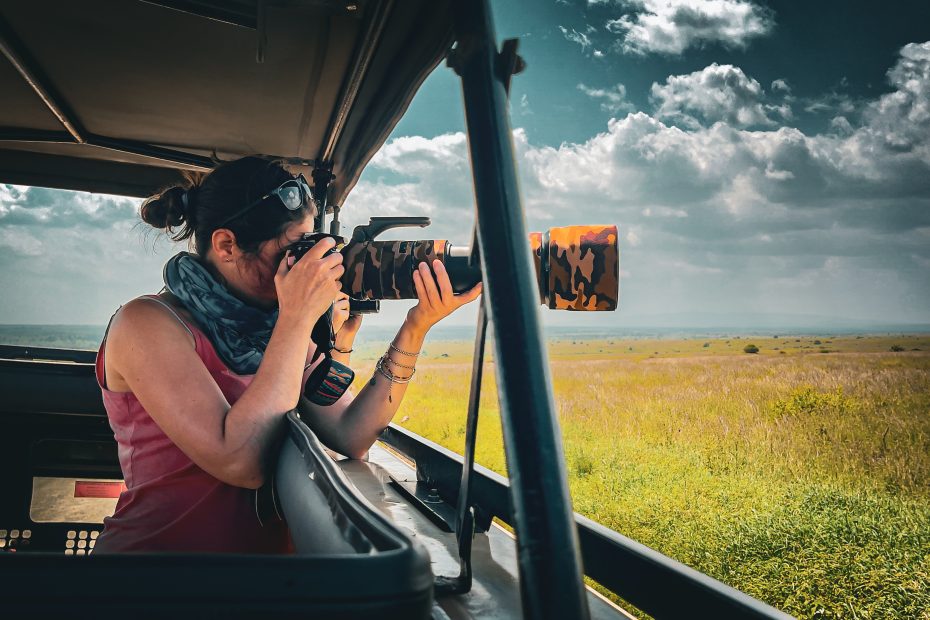
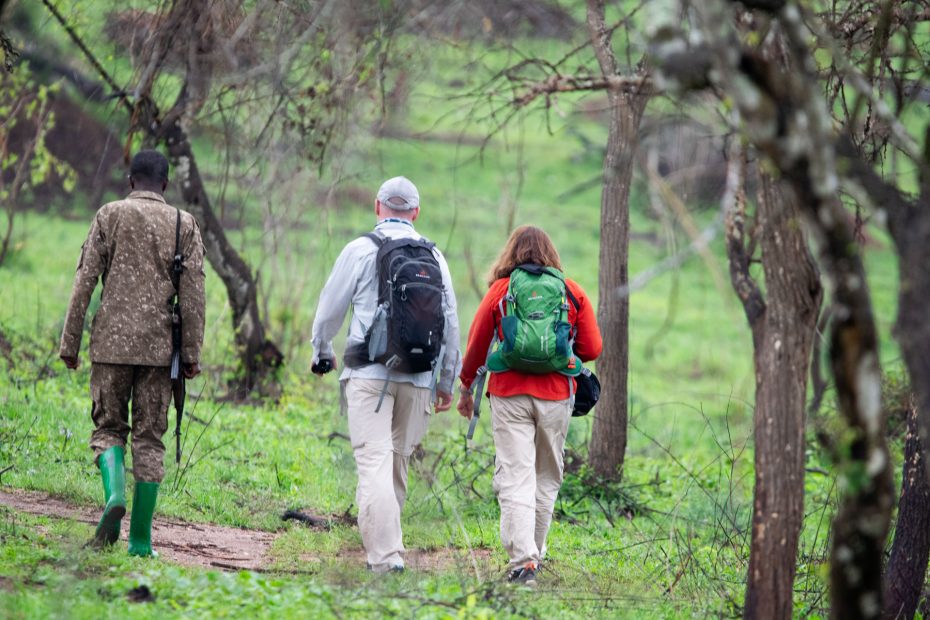
Arusha National Park is home to a rich variety of wildlife despite its relatively small size. The park’s open savannah plains, forested slopes, and crater rims harbor giraffes, zebras, buffaloes, waterbucks, warthogs, bushbucks, and baboons, with colobus monkeys and leopards occasionally making appearances. The “Little Serengeti” region of the park offers classic savannah scenes where wildlife roams freely across rolling plains dotted with acacia trees. Visitors can experience traditional game drives or venture out on guided walking safaris, providing a closer, more immersive encounter with the park’s flora and fauna.
Bird Watching
With over 400 bird species recorded, Arusha National Park is a haven for bird enthusiasts. Seasonal migratory birds, vibrant flamingos at Momela Lakes, and resident species such as kingfishers, pelicans, and herons create spectacular birdwatching opportunities. Early mornings and late afternoons are ideal for observing active wildlife and enjoying the most favorable light for photography.
Canoeing on Lake Momela
Lake Momela provides a serene and unique safari experience. Guests can glide across the alkaline waters in canoes, watching for wildlife along the lakeshore, including hippos, giraffes, and buffaloes, while flocks of flamingos and other birds dance above the reflective surface. The backdrop of Mount Meru rising to the west adds dramatic scale, making every moment a potential photographic masterpiece.
Cultural and Historical Exploration
For those interested in history and anthropology, the National Natural History Museum in Arusha, housed in the Old German Boma, presents fascinating exhibitions on human evolution, including casts of the 3.6-million-year-old Laetoli footprints. Nearby, the Meserani Snake Park and Maasai Cultural Museum offer interactive experiences with wildlife and local Maasai culture, showcasing traditional dances, beadwork, and daily herding practices. Visitors gain insight into the symbiotic relationship between the Maasai communities and Tanzania’s protected areas, highlighting the role of local knowledge in wildlife conservation.
Hiking and Birdwatching at Lake Duluti
Just outside Arusha, the crater lake of Lake Duluti offers a tranquil walking trail through indigenous forests and lush landscapes. The 6.7-kilometer path is ideal for hiking, birdwatching, and botanical exploration. Guided walks introduce visitors to the flora, local folklore, and bird species unique to the area, creating an experience that blends adventure, culture, and nature.
Conservation and Responsible Tourism
Managed by the Tanzania National Parks Authority (TANAPA), Arusha National Park exemplifies the balance between wildlife protection and sustainable tourism. Visitors are encouraged to maintain safe viewing distances, respect the natural environment, and support conservation efforts through park fees. The park provides critical habitat for endangered species, including colobus monkeys and leopards, while fostering community-based eco-tourism initiatives with surrounding Maasai and Meru communities.
Best Time to Visit
The dry season, from June to October and January to February, is ideal for wildlife viewing, game drives, and walking safaris. Roads are more accessible, animals gather near water sources, and visibility is excellent for photography. The wet seasons, March to May and November to December, offer lush, green landscapes and peak birding opportunities, especially for migratory species.
Why Visit Arusha National Park
Arusha National Park is a destination that combines natural beauty, diverse wildlife, cultural richness, and adventure opportunities within a compact area. From walking safaris and canoeing on Lake Momela to birdwatching, photography, and cultural experiences, the park provides a perfect introduction to Tanzania’s northern wildlife circuit. Its proximity to Arusha town makes it an accessible yet enchanting escape, ideal for travelers seeking a multi-faceted African adventure without venturing deep into remote wilderness.
Explore Bwindi Through Wildlife, Nature and Culture
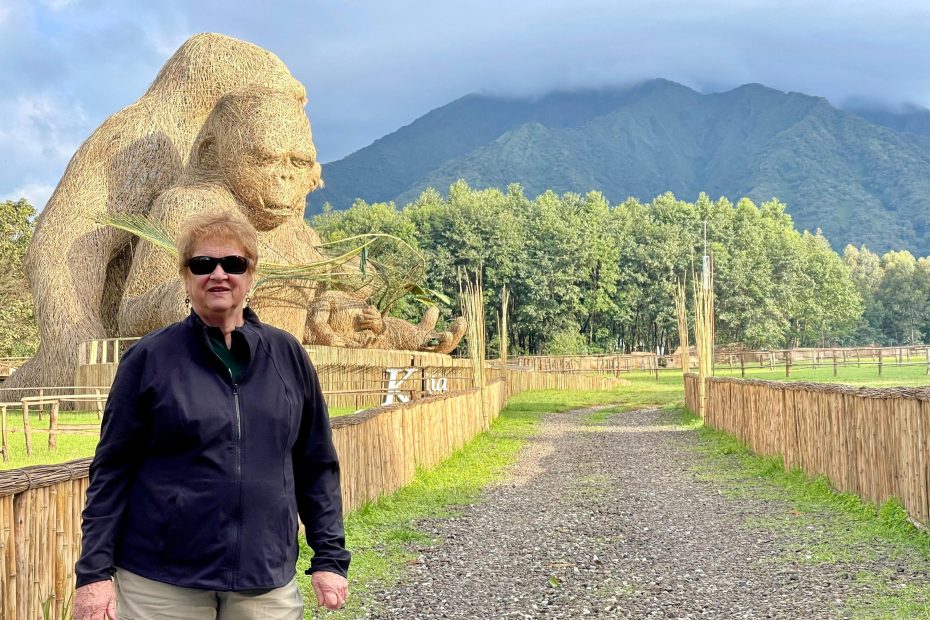
Bwindi Impenetrable National Park offers more than mountain gorilla trekking. Its ancient rainforest, exceptional birdlife and surrounding communities make it a rewarding destination for travellers who want to spend time in nature and learn about the region. Guided forest walks, birdwatching, gorilla habituation and community visits offer several ways to experience Bwindi beyond a single trek.
Gorilla Trekking in Bwindi
Gorilla trekking is one of Uganda’s most sought-after wildlife experiences, and Bwindi is home to a significant population of endangered mountain gorillas. The day begins with a briefing from park staff, followed by assignment to a gorilla group and a guided trek into the forest.
The walk can take an hour or several hours, depending on where the gorillas are located. Trails pass through thick vegetation and uneven terrain, with guides and trackers helping visitors navigate the forest and locate the assigned family.
Finding the gorillas is a remarkable moment. You may watch a silverback resting nearby, juveniles playing among the vegetation, or mothers caring for their young. Visitors are generally allowed one hour with the gorillas once the encounter begins, following the park’s viewing guidelines.
The experience requires patience and a reasonable level of fitness, but the reward is the opportunity to observe these great apes in their natural habitat. Gorilla trekking is available in different sectors of Bwindi, and the choice of sector can influence accommodation, travel time, and the overall itinerary.
Gorilla Habituation Experience
For those who want to spend longer observing mountain gorillas, Bwindi’s gorilla habituation experience offers an opportunity to accompany researchers and trackers as they work with a gorilla group that is still becoming accustomed to human presence.
Unlike standard gorilla trekking, which allows up to one hour with the gorillas, the habituation experience permits up to four hours, subject to the applicable rules and conditions. The additional time offers a closer look at gorilla behaviour, group interactions and the work involved in habituation and conservation.
The experience is particularly appealing to wildlife enthusiasts, photographers and travellers with a strong interest in primate behaviour. It takes place in the southern part of Bwindi, so accommodation and transport should be planned around the relevant departure point. Habituation permits are limited and should be arranged well in advance.
Forest Walks and Nature Trails
There is plenty to discover in Bwindi even without a gorilla trekking permit. Guided nature walks introduce visitors to the forest’s vegetation, streams, waterfalls and varied habitats, with opportunities to learn about the plants and animals that sustain this ecosystem.
Depending on the trail, you may encounter forest birds, butterflies, smaller wildlife and interesting tree species along the way. A knowledgeable local guide can help identify calls, explain forest ecology and point out details that might otherwise go unnoticed.
These walks are well suited to travellers who enjoy exploring at a slower pace, as well as those who want to add another day of nature and photography to their stay. Available trails, duration and ranger arrangements vary, so the most suitable walk can be selected according to your interests and fitness.
Birdwatching in Bwindi
Bwindi is one of Uganda’s outstanding birdwatching destinations, with more than 350 recorded bird species and important populations of Albertine Rift endemics. Its range of forest habitats creates opportunities to search for species that are difficult to find elsewhere in East Africa.
Among the birds sought by visiting birders are the African green broadbill, Shelley’s crimsonwing and handsome francolin. Other forest species add to the variety, making the park rewarding for both experienced birdwatchers and travellers who enjoy observing birds alongside other wildlife.
Birding is best approached with time and patience. Guided walks follow suitable forest trails, with attention to calls, feeding behaviour and movement through the canopy and undergrowth. For photographers, the dense vegetation can be challenging, but careful observation and good guiding can make the experience particularly rewarding.
Bwindi can also form part of a wider Uganda birding itinerary, combining forest endemics with wetlands, savannah habitats and other bird-rich areas across the country.
Cultural Experiences Around Bwindi
The communities surrounding Bwindi add an important human dimension to a visit. Community-led experiences offer opportunities to learn about Batwa heritage and the traditions of the Bakiga people, whose lives and livelihoods are closely connected to the wider region.
Depending on the programme, visitors may join guided village walks, hear traditional stories and music, learn about local farming and food, or see crafts and other cultural practices demonstrated by community members. Some experiences also explore Batwa forest knowledge and the challenges communities have faced as conservation policies and land use have changed over time.
These visits are most meaningful when arranged through responsible local initiatives that respect community choices and ensure that residents benefit from tourism. Rather than treating culture as a performance, they offer an opportunity to listen, learn, and understand more about the people who call the area home.
For travellers interested in both nature and culture, a community visit can provide a valuable complement to gorilla trekking and forest exploration. Together, these experiences offer a fuller way to explore Bwindi, combining wildlife, nature and culture in one destination.