
your guide
South Sudan Safaris
Scroll for more Info
Experience The Virgin Cultural Land
Widespread grasslands, floodplains, woodlands, and wetlands are among the protected areas in South Sudan that are home to a variety of wildlife. Bandingilo, Boma, Nimule, Lantoto, Shambe, and Southern National Park are among the nation's national parks.
Large-scale antelope migrations across the surrounding terrain during the Great Nile Migration make Boma and Bandingilo especially noteworthy. Despite differences in conditions, accessibility, and sightings, other protected areas provide a variety of habitats and wildlife viewing opportunities.
In South Sudan, wildlife safaris necessitate thorough preparation, familiarity with the area, and access confirmation prior to departure.
A cultural Tour
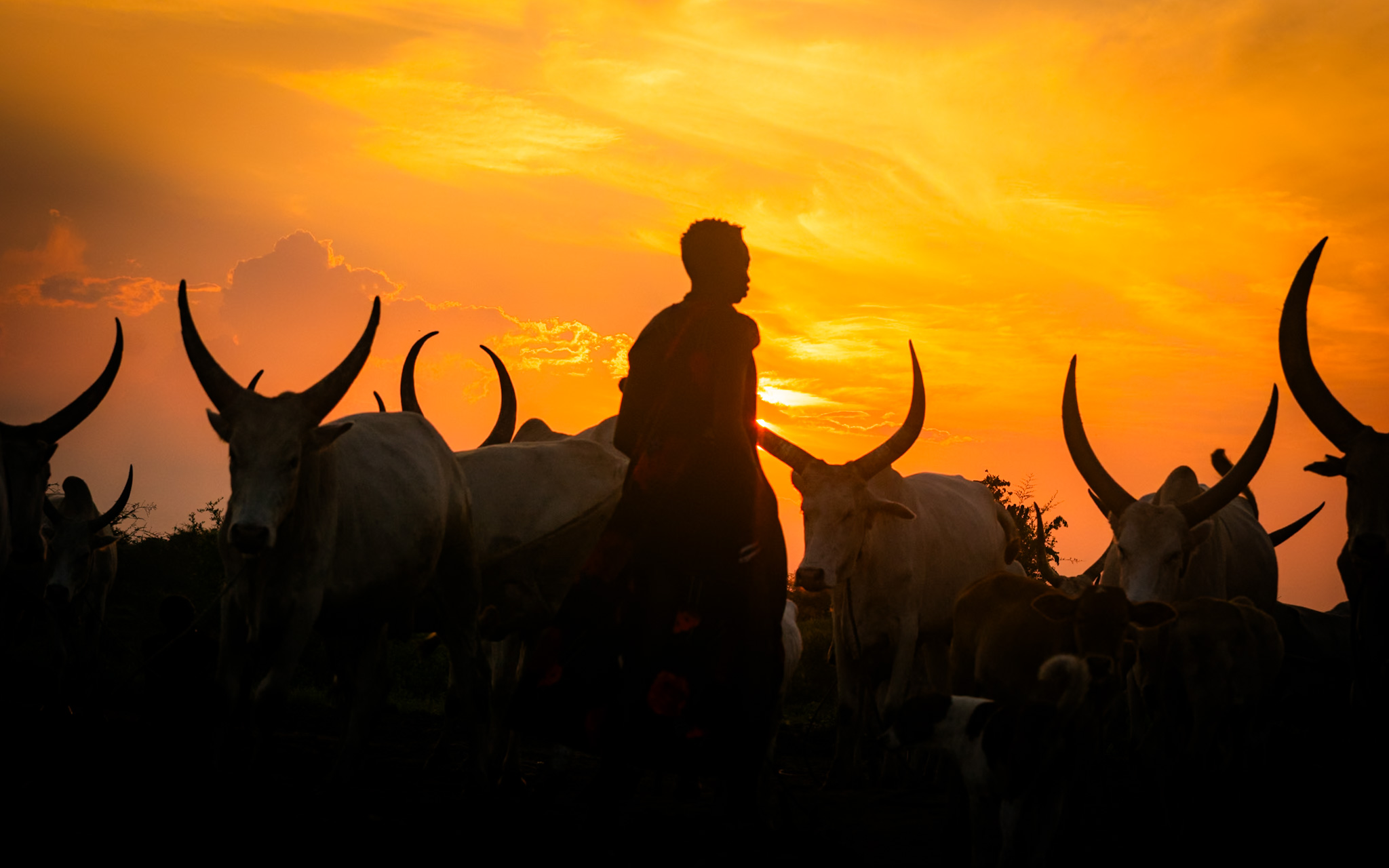
Meeting communities whose traditions are still strongly tied to cattle, ancestors' customs, and everyday life is possible through cultural tours in South Sudan. Every visit provides insight into the nation's rich cultural legacy, from touring Mundari cattle camps to studying the customs of the Toposa, Jie, and Larim people. These trips combine traditional lifestyles, cultural exchange, and documentary photography opportunities, emphasizing polite interactions and firsthand knowledge of local communities.
01/03
Cultural Adventures
Where To Go Culture Adventures
Organising Your Safari in South Sudan
Have Local Knowledge When Traveling
Travel with Wild Compass Africa who is familiar with the locations, local populations, transportation needs, and preparations required for travel in South Sudan. Discuss your itinerary, lodging, and activities before confirming your trip, as remote travel may necessitate prior planning.
Verify the travel and security conditions
Security conditions are subject to change over time and between regions. Before you leave, make sure your suggested route is safe by consulting with trustworthy local contacts and checking the most recent official travel advisories. Avert traveling at night and adhere to your guide's directions at all times.
Who Is a South Sudan Cultural Expedition For?
A cultural expedition in South Sudan suits travellers who want to learn about traditional communities, spend time observing daily life, and explore places beyond conventional safari routes. It is particularly appealing to cultural explorers, documentary photographers and experienced travellers interested in the country’s diverse heritage.
Cultural and Documentary Photographers
South Sudan offers opportunities for photographers interested in traditional dress, cattle camps, portraits and everyday community life. Time spent with the Mundari, Toposa, Jie and Larim communities can provide material for cultural and documentary photography, provided visits are arranged respectfully, and people permit to be photographed.
Travellers Interested in Traditional Cultures
For travellers curious about different ways of life, these expeditions offer opportunities to learn about cattle-keeping, family and community traditions, local livelihoods and cultural practices. Rather than simply visiting a place for photographs, visitors can spend time listening, asking questions and learning from the people they meet.
Experienced Adventure Travellers
South Sudan appeals to travellers seeking destinations that require more preparation than a conventional holiday. Some routes involve long drives, remote locations and limited facilities. Flexibility, patience and an understanding of local conditions are important, as arrangements may need to change according to access and security advice.
Wildlife and Nature Enthusiasts
Travellers interested in African wildlife can extend their experience beyond cultural visits to explore selected protected areas, wetlands and grasslands. Wildlife viewing depends on the location, season, access and animal movements, so these activities require separate planning around the intended route.
Small Groups and Private Expeditions
A private trip or small group can allow more time for cultural visits and photography, with an itinerary shaped around the interests of the participants. Local guides help coordinate introductions, explain cultural practices and advise on appropriate conduct when visiting communities.
Is This the Right Adventure for You?
This expedition is best suited to travellers who approach cultural encounters with curiosity, respect and an open mind. It is not simply about visiting remote villages or collecting photographs; it is an opportunity to learn about the people, traditions and daily realities that shape life in South Sudan.
Because travel conditions and security can vary significantly between regions, every expedition requires careful preparation and confirmation that the proposed route is suitable before departure.
What to Pack for South Sudan
Pack according to the season, route and activities planned. For cultural visits and wildlife excursions, useful essentials include:
Lightweight, breathable clothing and long-sleeved shirts
A sunhat, sunglasses and sunscreen
Comfortable walking shoes or hiking boots
A lightweight rain jacket
Insect repellent and personal toiletries
A small daypack and reusable water bottle
Personal medication and a basic first-aid kit
A headlamp or torch
Binoculars for wildlife viewing
A camera, spare batteries and memory cards
Travel documents and any required medication or health documentation
For photography expeditions, carry sufficient camera batteries, memory cards and protective equipment for dust and rain. Your operator can advise on any additional equipment needed for the specific route.
Cultural Tribes
Clients Reviews
4.9 Tripadvisor


Inspire - London
Experience in Uganda with Jaz Abaho
We were three Austrian couples and a Ugandan friend who spent 12 days traveling through Uganda with Jaz Abaho, the owner of Wild Compass Africa.
Written March 29, 2026


Destinations
Experiences
Follow us
Get Intouch
wildcompassafrica@gmail.com
info@Wildcompassafrica.com
+256 779 252 533 |WhatsApp
Contact your Travel Advisor