Wildlife and Game Viewing
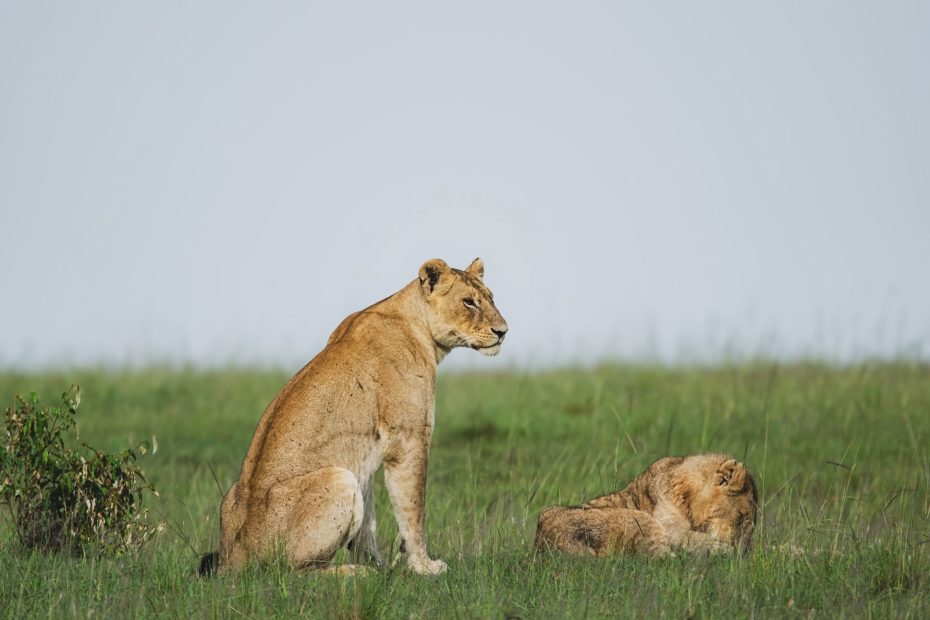
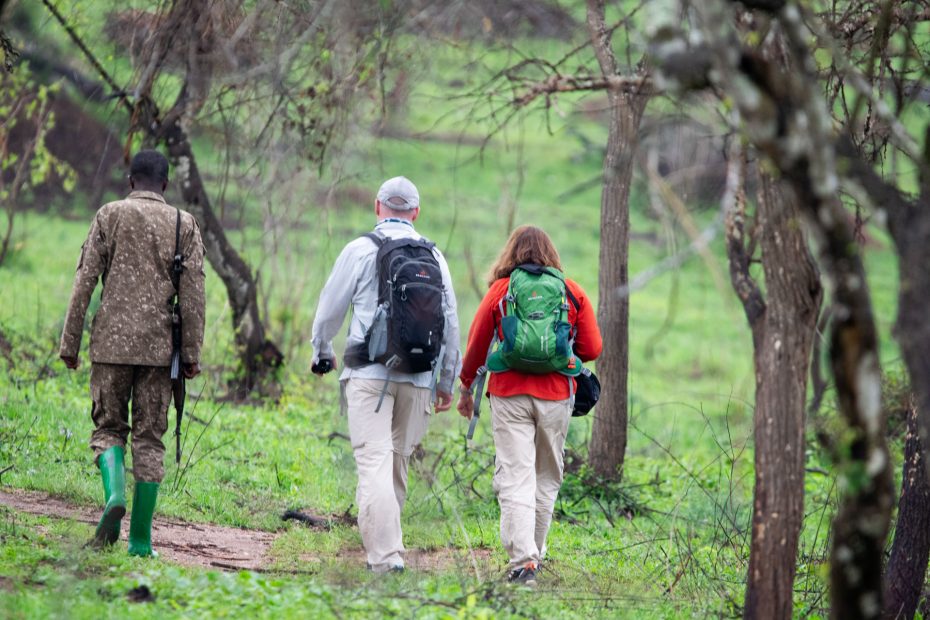
Arusha National Park is home to a rich variety of wildlife despite its relatively small size. The park’s open savannah plains, forested slopes, and crater rims harbor giraffes, zebras, buffaloes, waterbucks, warthogs, bushbucks, and baboons, with colobus monkeys and leopards occasionally making appearances. The “Little Serengeti” region of the park offers classic savannah scenes where wildlife roams freely across rolling plains dotted with acacia trees. Visitors can experience traditional game drives or venture out on guided walking safaris, providing a closer, more immersive encounter with the park’s flora and fauna.
Bird Watching
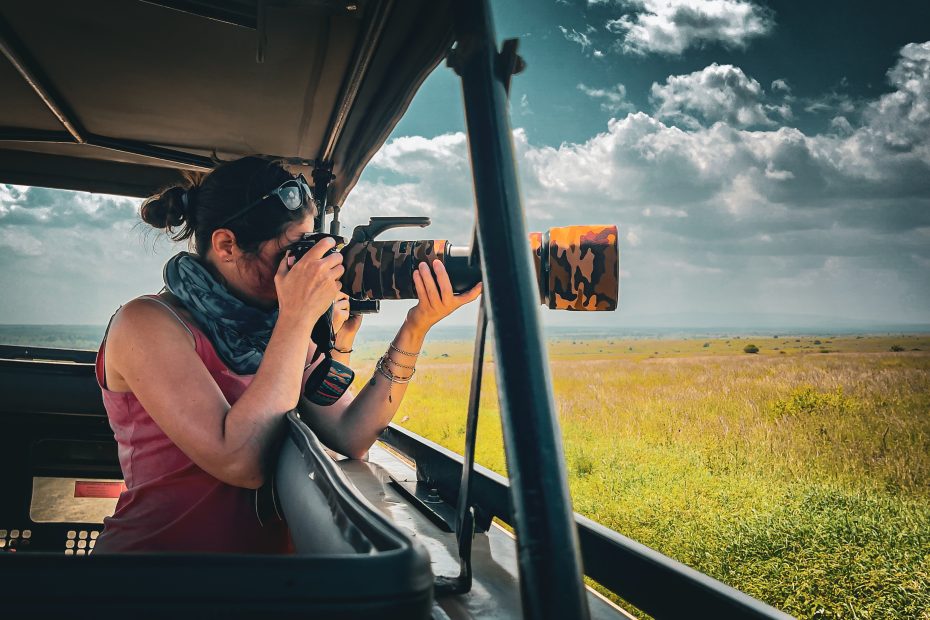
With over 400 bird species recorded, Arusha National Park is a haven for bird enthusiasts. Seasonal migratory birds, vibrant flamingos at Momela Lakes, and resident species such as kingfishers, pelicans, and herons create spectacular birdwatching opportunities. Early mornings and late afternoons are ideal for observing active wildlife and enjoying the most favorable light for photography.
Canoeing on Lake Momela
Lake Momela provides a serene and unique safari experience. Guests can glide across the alkaline waters in canoes, watching for wildlife along the lakeshore, including hippos, giraffes, and buffaloes, while flocks of flamingos and other birds dance above the reflective surface. The backdrop of Mount Meru rising to the west adds dramatic scale, making every moment a potential photographic masterpiece.
Cultural and Historical Exploration
For those interested in history and anthropology, the National Natural History Museum in Arusha, housed in the Old German Boma, presents fascinating exhibitions on human evolution, including casts of the 3.6-million-year-old Laetoli footprints. Nearby, the Meserani Snake Park and Maasai Cultural Museum offer interactive experiences with wildlife and local Maasai culture, showcasing traditional dances, beadwork, and daily herding practices. Visitors gain insight into the symbiotic relationship between the Maasai communities and Tanzania’s protected areas, highlighting the role of local knowledge in wildlife conservation.
Hiking and Birdwatching at Lake Duluti
Just outside Arusha, the crater lake of Lake Duluti offers a tranquil walking trail through indigenous forests and lush landscapes. The 6.7-kilometer path is ideal for hiking, birdwatching, and botanical exploration. Guided walks introduce visitors to the flora, local folklore, and bird species unique to the area, creating an experience that blends adventure, culture, and nature.
Conservation and Responsible Tourism
Managed by the Tanzania National Parks Authority (TANAPA), Arusha National Park exemplifies the balance between wildlife protection and sustainable tourism. Visitors are encouraged to maintain safe viewing distances, respect the natural environment, and support conservation efforts through park fees. The park provides critical habitat for endangered species, including colobus monkeys and leopards, while fostering community-based eco-tourism initiatives with surrounding Maasai and Meru communities.
Best Time to Visit
The dry season, from June to October and January to February, is ideal for wildlife viewing, game drives, and walking safaris. Roads are more accessible, animals gather near water sources, and visibility is excellent for photography. The wet seasons, March to May and November to December, offer lush, green landscapes and peak birding opportunities, especially for migratory species.
Why Visit Arusha National Park
Arusha National Park is a destination that combines natural beauty, diverse wildlife, cultural richness, and adventure opportunities within a compact area. From walking safaris and canoeing on Lake Momela to birdwatching, photography, and cultural experiences, the park provides a perfect introduction to Tanzania’s northern wildlife circuit. Its proximity to Arusha town makes it an accessible yet enchanting escape, ideal for travelers seeking a multi-faceted African adventure without venturing deep into remote wilderness.
Focused on Experiences — Gorilla Trekking, Habituation, Forest Walks, Birdwatching, Cultural Visits
Gorilla Trekking – A Life-Changing Wildlife Encounter
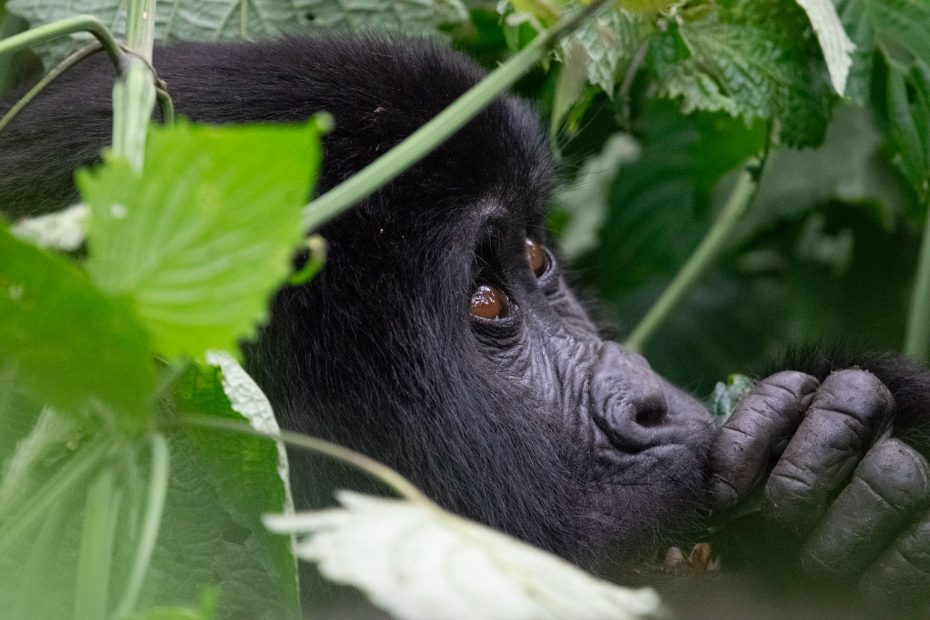
Bwindi Impenetrable National Park is world-renowned for offering the best mountain gorilla trekking in Uganda. Every morning, trekkers gather for a briefing at 8:00 AM before being divided into small groups of up to eight people per gorilla family. Expert rangers and trackers guide the journey through dense rainforest, with treks lasting anywhere from one to eight hours depending on the gorillas’ location.
As you trek, the forest comes alive with colorful birds, playful monkeys, butterflies, and medicinal plants, creating a sensory immersion before encountering your first gorilla family. Once you reach the group, you will spend a magical 60 minutes observing silverbacks, mothers, and juveniles—a truly unforgettable and emotional wildlife experience that stays with you forever.
Gorilla Habituation – Extended Time with the Great Apes
For travelers seeking a deeper connection, gorilla habituation experiences allow up to four hours with a semi-habituated gorilla family. Unlike regular treks, participants join rangers and researchers in the process of accustoming gorillas to human presence.
Only four visitors per day can participate, making it an intimate and educational experience. This activity provides unmatched insights into gorilla behavior, social dynamics, and conservation efforts. It is ideal for wildlife enthusiasts, researchers, and photographers seeking a unique, in-depth encounter with these magnificent great apes.
Forest and Nature Walks – Discover the Secrets of Bwindi
Bwindi’s ancient forest offers a network of guided nature trails, perfect for exploration beyond gorillas. Led by armed rangers for safety, these walks take visitors past waterfalls, scenic viewpoints, and through dense jungle habitats.
Along the way, travelers may encounter primates, rare bird species, vibrant butterflies, and unique plant life, all set within the peaceful and meditative environment of the rainforest. Whether wandering beneath towering mahogany trees or following a bubbling stream, Bwindi’s forest offers a rejuvenating escape into nature’s splendor.
Birdwatching – A Paradise for Albertine Rift Endemics
Bwindi is a haven for birdwatchers in East Africa, boasting over 350 recorded species, including Albertine Rift endemics such as the African green broadbill, Shelley’s crimsonwing, and handsome francolin.
Guided birding tours explore the forest’s layered canopy and varying altitudes, providing excellent opportunities to spot rare and elusive birds while observing other wildlife. With such rich biodiversity, Bwindi is considered one of Africa’s premier birding destinations, ideal for photographers, ornithologists, and nature lovers alike.
Cultural Experiences – Connect with the Batwa and Bakiga Communities
Bwindi’s cultural experiences allow visitors to engage with the Batwa pygmies, the forest’s original inhabitants, and the Bakiga people, known for their vibrant farming traditions and dance rituals.
Cultural visits include traditional dance performances and storytelling, guided village walks and homestead tours, iron smelting and craft demonstrations, and visits to local schools and herbal medicine gardens. These experiences provide insight into the rich cultural heritage surrounding Bwindi while supporting local communities and fostering sustainable tourism.