
15 Day South Sudan Cultural and Photography Expedition
Arrival in Juba
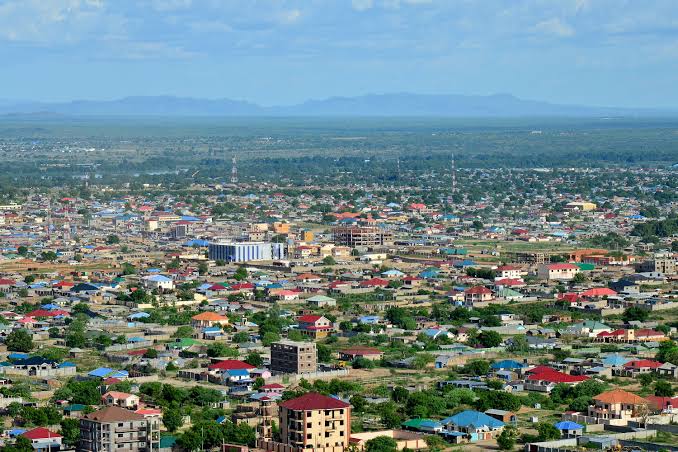
Arrive at Juba International Airport, where you will be met and transferred to your riverside accommodation. Depending on your arrival time, the remainder of the day is set aside to rest after your journey and become acquainted with the expedition team.
In the evening, enjoy dinner beside the White Nile as the river moves quietly past the city. Your guide will introduce the journey ahead, discuss photography objectives, review local protocols and explain the practical arrangements for travelling through remote communities. The briefing will also cover respectful portrait photography, permission to photograph people and sensitive cultural situations, helping establish the approach that will guide the expedition.
Safari Activities
- Airport pickup and transfer to riverside accommodation
- Relaxation and settling in
- White Nile riverside dinner
Accommodation
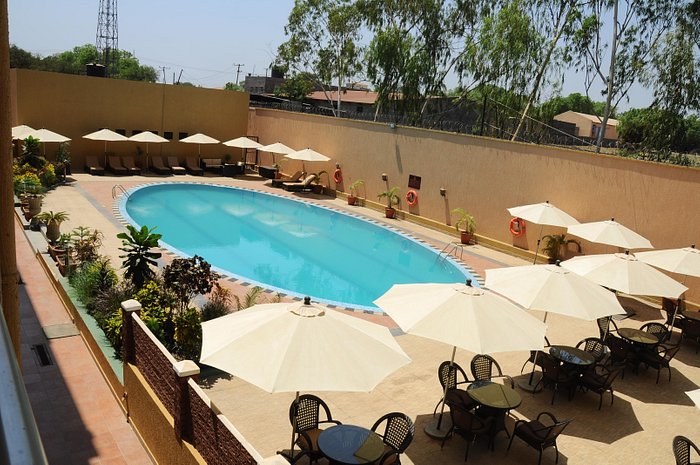
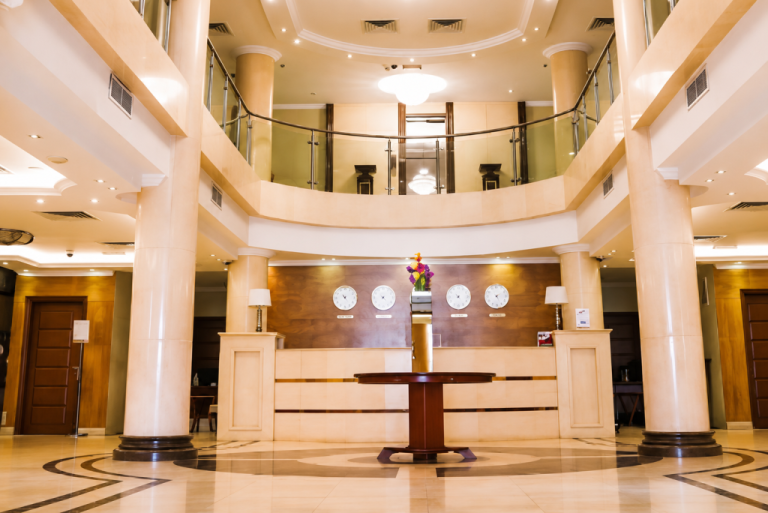
Royal Hotel South Sudan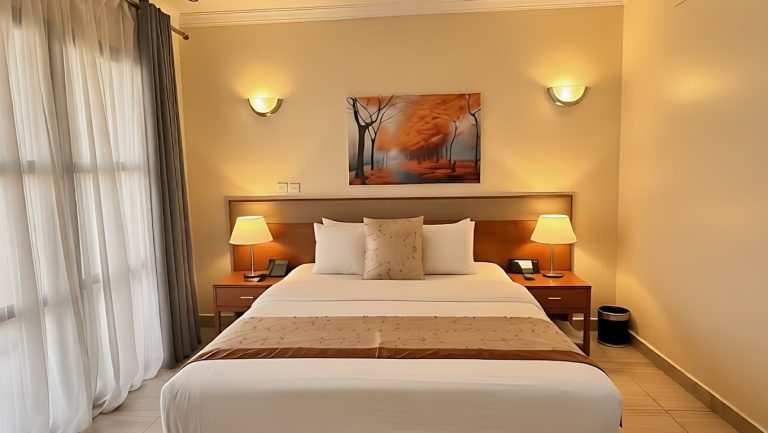
Juba to Kapoeta | Into Toposa Territory
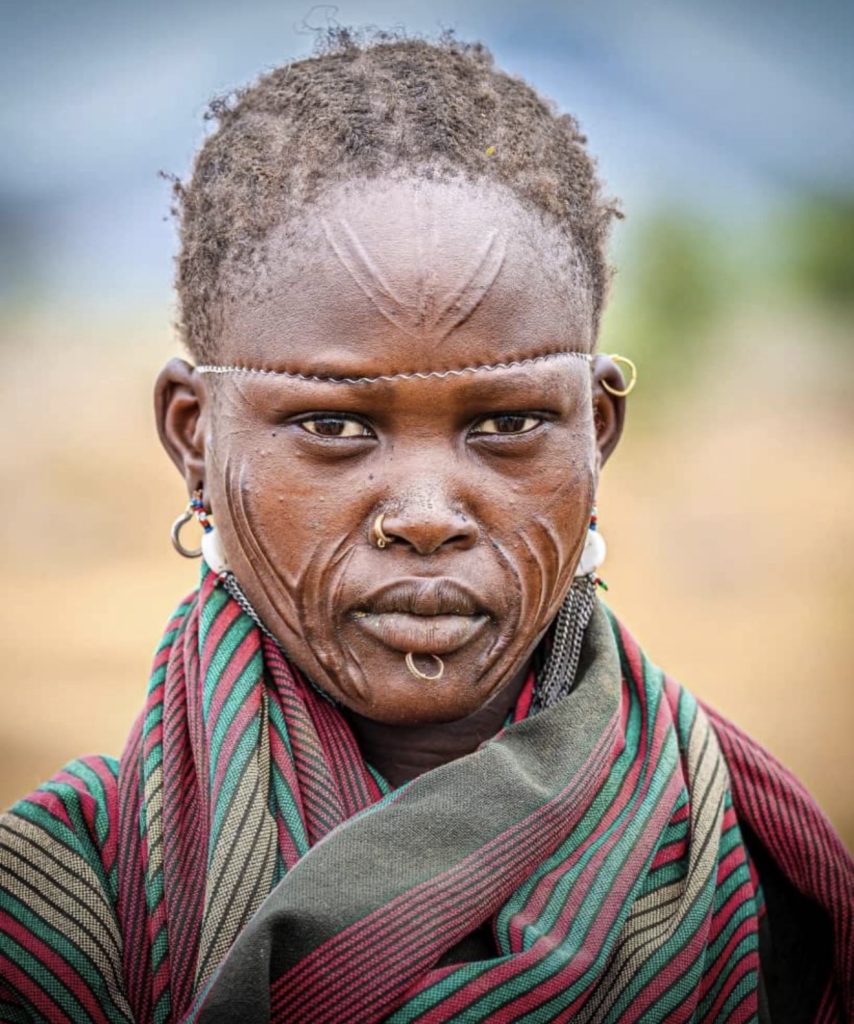
After breakfast, complete any outstanding travel formalities and preparations before taking the planned flight from Juba to Kapoeta, subject to the operating schedule. Kapoeta provides the gateway to South Sudan’s far-eastern landscapes and the communities of the Toposa.
On arrival, meet the local team and continue by 4x4 into Toposa territory. The journey passes through open plains, dry-country vegetation and rugged hills, with settlements and livestock reflecting the pastoral character of the region. Road conditions and the distance to the selected village will determine the timing of your arrival.
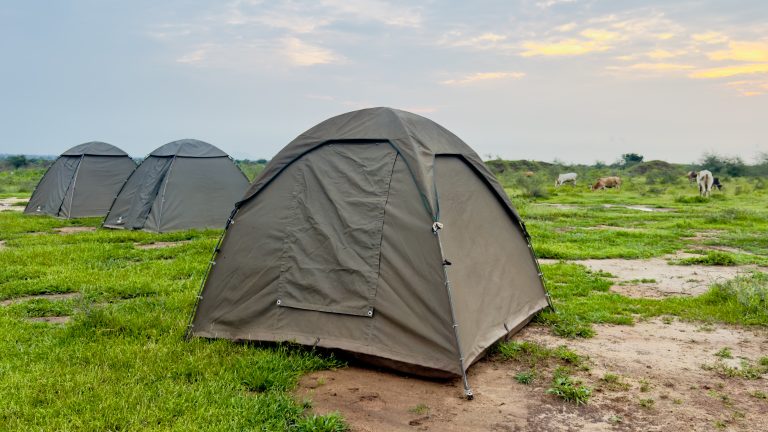
Settle into your accommodation or expedition camp and make an introductory visit where arrangements have been confirmed with the community. This first encounter is an opportunity to meet local hosts, understand village protocols and prepare for the following day's photography rather than rushing into portraits.
Safari Activities
- Complete travel formalities and preparations
- Flight from Juba to Kapoeta, subject to schedule
- 4x4 transfer into Toposa territory
- Landscape photography along the route, where appropriate
- Meet local hosts and introductory community visit
Accommodation
Luxury camping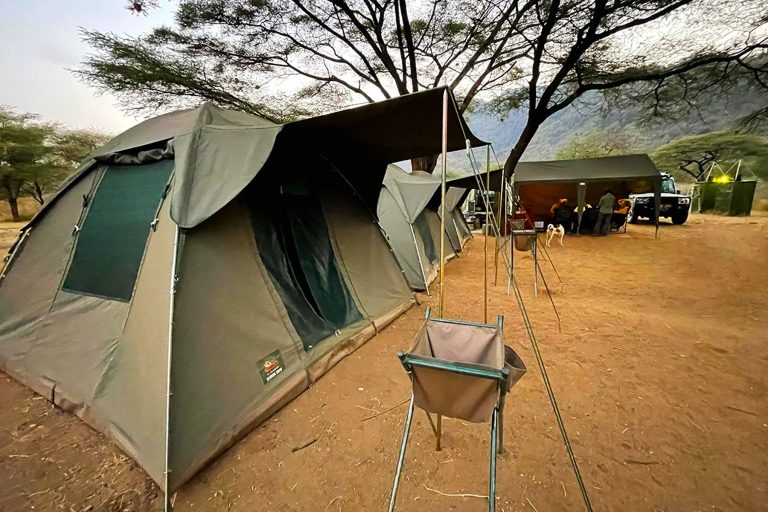


Meals
Breakfast · Lunch · Dinner
Toposa People | Full Photography Day
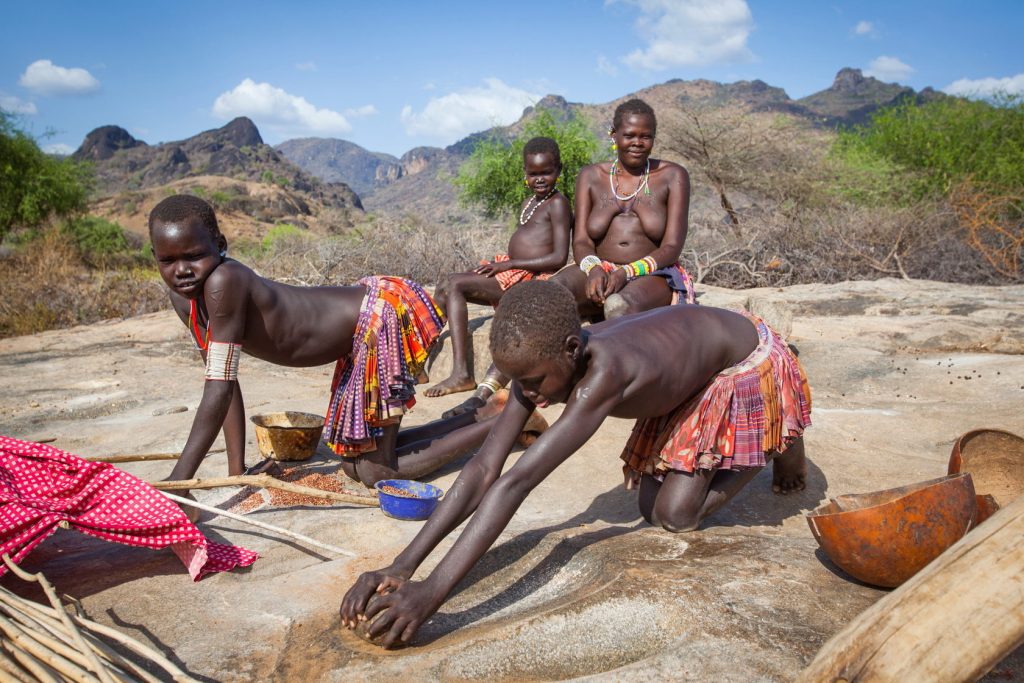
Spend the day with the Toposa, a pastoral community known for its strong cultural identity, beadwork, distinctive personal adornment and close relationship with livestock. The day's photography will focus on the people and rhythms of community life, with time to observe before deciding which stories to pursue.
Morning light is well suited to environmental portraits, village scenes and details of traditional jewellery and clothing. As the day unfolds, there may be opportunities to document household activities, livestock care, the preparation of everyday items and interactions between generations, depending on what is taking place within the community.
Cattle and other livestock are an important part of the pastoral landscape, offering opportunities to explore how people, animals and the environment are connected. Afternoon sessions can revisit locations photographed earlier, allowing for different compositions and changing light rather than repeating the same scenes.
All portrait sessions will be approached with local guidance and individual consent. Cultural practices and personal adornment should be documented in context and without assumptions about their meaning. The emphasis is on thoughtful storytelling that represents people as individuals and members of a living community.
Safari Activities
- Morning environmental portraits and village photography
- Traditional beadwork, hairstyles and personal adornment photography, with consent
- Documenting daily life and pastoral traditions
- Cattle and livestock photography
- Afternoon documentary photography and portrait sessions
Accommodation
Luxury Camping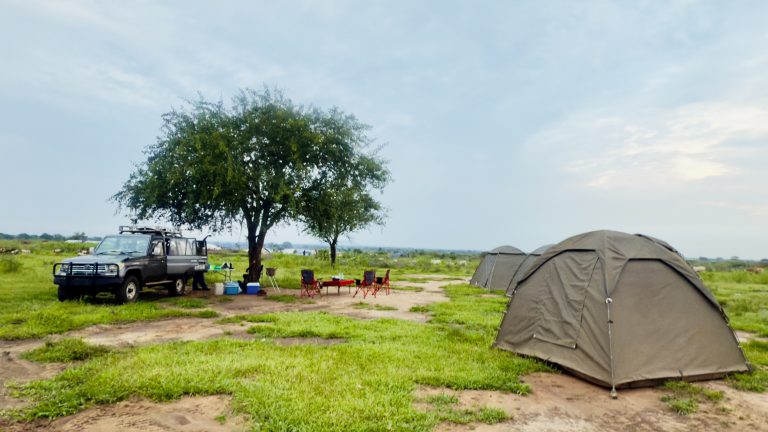
Meals
Breakfast · Lunch · Dinner
Sunrise with the Toposa | Journey to Jie Territory
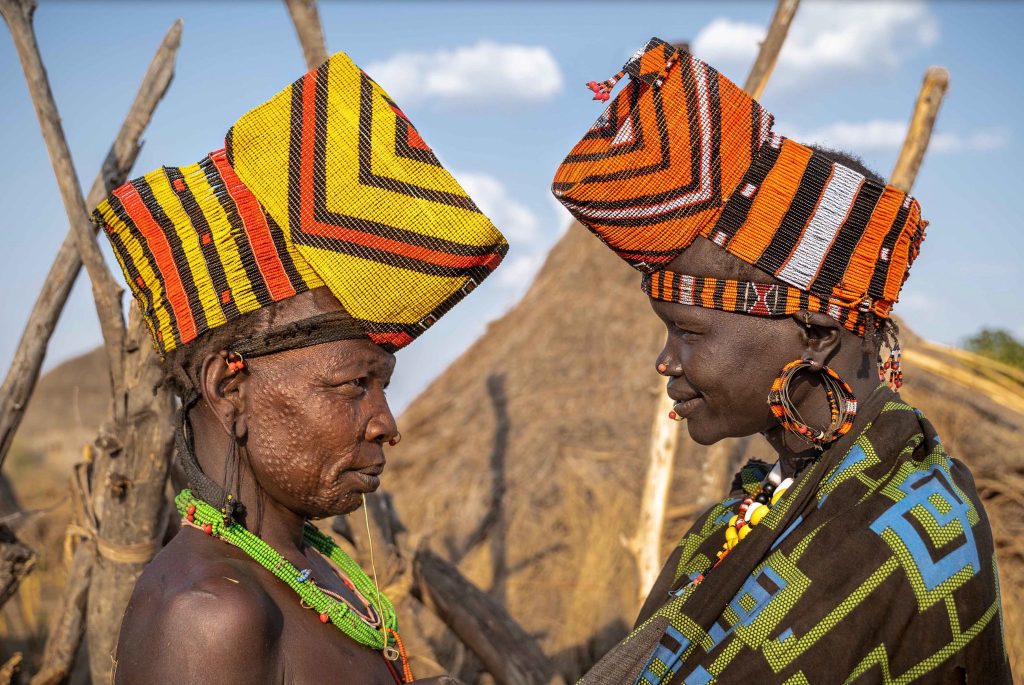
Begin before sunrise for a final photography session among the Toposa. The early hours offer softer light for portraits and village scenes, while the beginning of the day may reveal people preparing for daily activities and livestock moving out towards grazing areas
After breakfast, pack the vehicles and depart for Jie territory near the Boma Plateau. This is a remote journey through eastern South Sudan, and progress will depend on road conditions, river crossings where applicable and local access arrangements. Allow time for breaks and photography stops where it is safe and appropriate to do so.
The changing landscape provides a transition from the country around Kapoeta to the more isolated settlements and rolling terrain associated with the Jie. Arrive later in the day, meet the local hosts and settle into camp or your agreed accommodation.
If time and community arrangements permit, take a short introductory walk to understand the layout of the settlement and identify potential locations for the following day's photography.
Safari Activities
- Sunrise photography in Toposa villages
- Final portraits and village scenes
- Road transfer towards Jie territory near the Boma Plateau
- Landscape and settlement photography along the route
- Arrival, meet local hosts and prepare for the next day
Accommodation
LUXURY CAMPING

Meals
Breakfast · Lunch · Dinner
Jie People | Full Photography Day
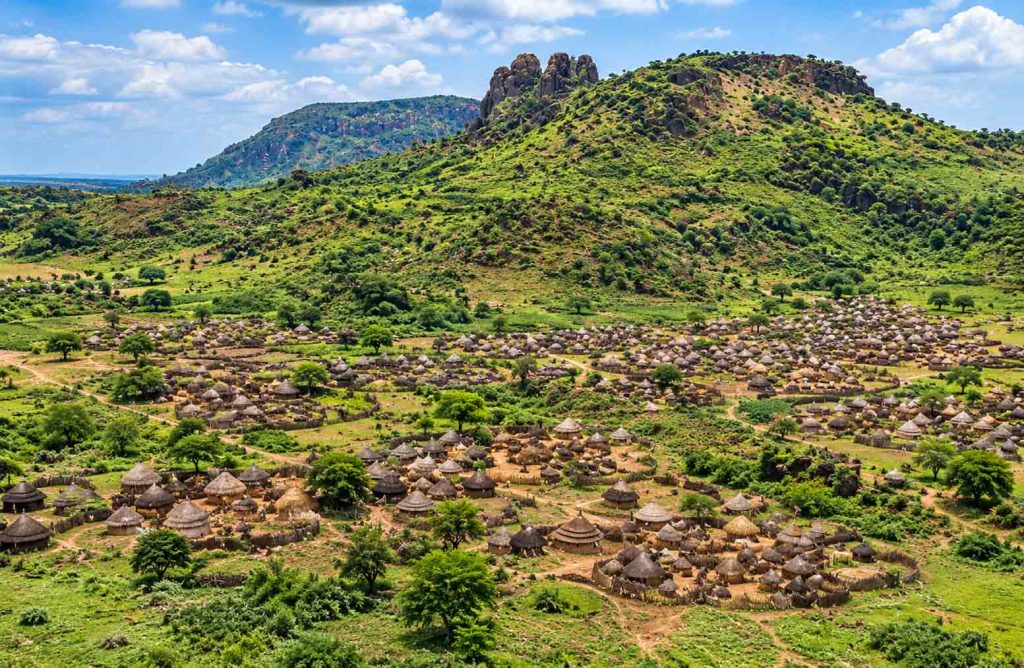
Today is devoted to the Jie, with time to explore village life, traditional architecture and the relationship between households, livestock and the surrounding landscape. Their distinctive cultural identity and relative geographic isolation offer a different perspective from the communities encountered earlier in the journey.
Begin in the morning with village scenes and environmental portraits, paying attention to the details that reveal how people use and shape their surroundings. Depending on the settlement and activities taking place, photography may include domestic spaces, food preparation, household work, livestock and the construction or use of traditional storage structures.
The day is also an opportunity to move beyond individual portraits and develop broader visual narratives. Photographing the setting, the objects people use and the interactions that take place in daily life can provide context and depth to a documentary series.
Take a break during the brighter hours and return to selected locations when the light becomes more favourable. If community members are comfortable with it, conversations with local hosts can help provide context for the photographs and deepen your understanding of the area's way of life.
Safari Activities
- Morning portraits and village photography
- Traditional architecture and domestic life
- Documenting household activities and livestock keeping
- Environmental portraits and landscape photography
- Afternoon photography in selected village locations
Accommodation
Luxury camping
Meals
Breakfast · Lunch · Dinner
Sunrise with the Jie | Journey to the Kimotong Mountains and Laarim Territory
Start the day with a final sunrise session in the Jie settlement. Use the early light to complete portraits, capture village details and revisit scenes identified during the previous day's work. This final session also provides time to photograph the surrounding landscape before leaving the region.
After breakfast, depart for the Kimotong Mountains, home to Laarim communities. The journey takes you into a striking landscape of rugged granite peaks, rocky slopes and settlements shaped by the surrounding terrain. The mountain setting provides a marked contrast with the open country visited earlier in the expedition.
On arrival, meet the local team and community representatives before settling into the agreed camp or accommodation. Subject to local activities and permission, an introductory visit may offer opportunities to photograph the relationship between village architecture and the mountain environment, as well as the details of homes, courtyards and everyday objects.
Keep the evening flexible. After a long drive, there may be time for a short walk and landscape photography as the light softens across the mountains, but the priority is to arrive safely and prepare for the following day's work.
Safari Activities
- Sunrise photography in Jie villages
- Final portraits and village details
- 4x4 journey towards the Kimotong Mountains
- Mountain landscape and settlement photography, where time permits
- Meet Laarim community hosts and prepare for the next day
Accommodation
Luxury camping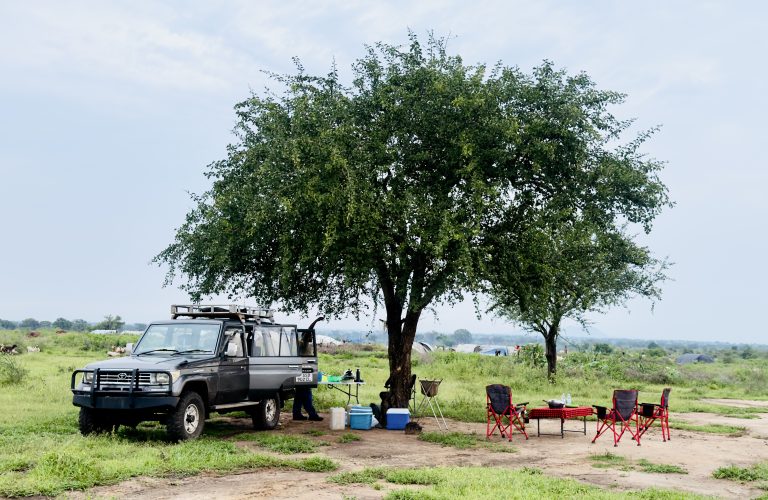
Meals
Breakfast · Lunch · Dinner
Laarim People | Full Photography Day
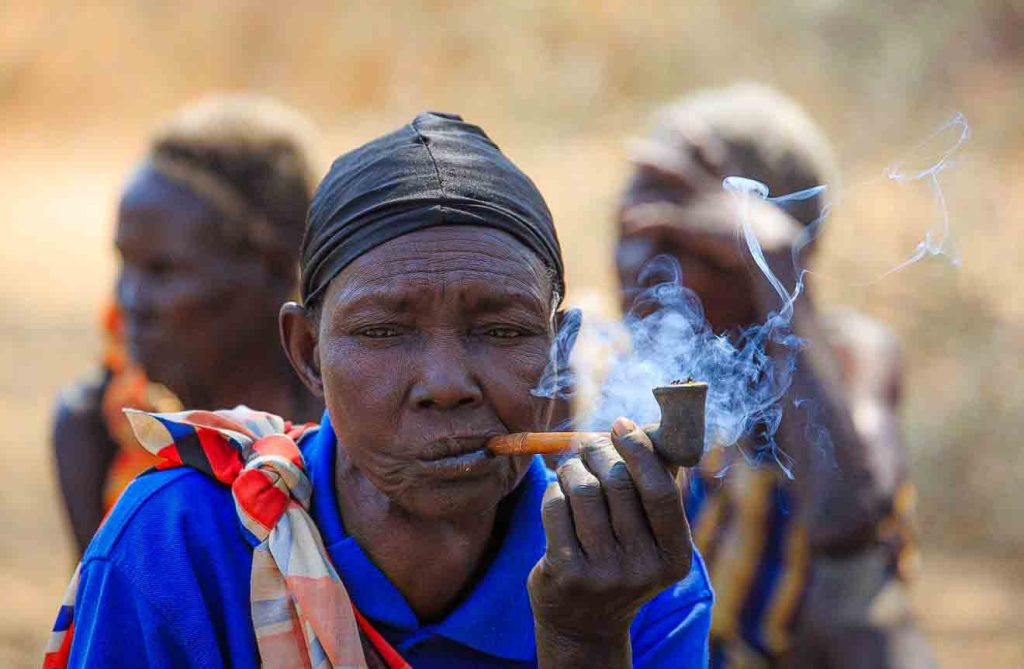
Spend a full day with the Laarim, whose settlements around the Kimotong Mountains are closely connected to the surrounding rocky landscape. Their traditional architecture, personal adornment, domestic activities and agricultural knowledge offer varied subjects for documentary photography.
The morning session may focus on village life and portraits in the soft light, with the mountains providing a natural setting. Where community members agree, you may document traditional hairstyles, jewellery, scarification and other forms of adornment as expressions of personal and cultural identity. These subjects should always be approached with sensitivity, avoiding intrusive close-ups or assumptions about individual experiences.
Daily activities may provide further opportunities to explore how households prepare food, process grain, care for children and livestock, and maintain their homes. Where traditional grinding areas or other communal workspaces are in use and visitors are welcome, these can offer compelling scenes of skill, cooperation and continuity.
The afternoon allows time to revisit people and places encountered in the morning. Rather than treating the village as a backdrop, aim to build a more complete visual story through portraits, wider environmental frames, details and everyday interactions
Safari Activities
- Morning environmental portraits
- Traditional adornment and cultural expression photography, with consent
- Village architecture and daily life
- Documenting household activities and local livelihoods
- Kimotong Mountains landscape photography
- Afternoon portrait sessions and visual storytelling
Accommodation
luxury camping
Meals
Breakfast · Lunch · Dinner
Sunrise with the Laarim | Long Drive to Lopit Territory
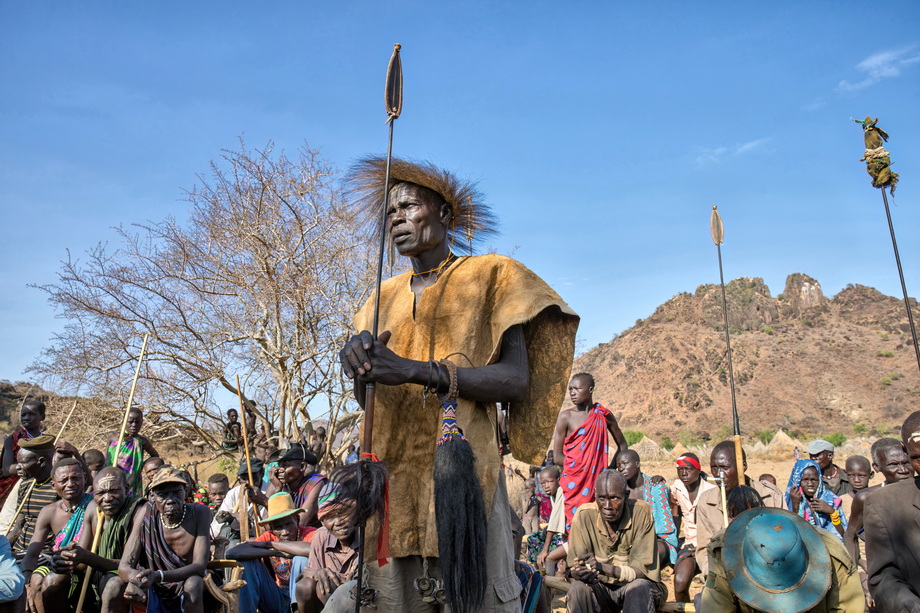
Rise early for a final photography session with the Laarim. The morning light can bring out the textures of granite, traditional buildings and the surrounding hills, while the village gradually comes to life. Use this opportunity to complete any planned portraits and capture the landscape that has shaped the community's settlement patterns and daily routines.
After breakfast, depart for the homeland of the Lopit people. This is one of the expedition's longer road journeys, crossing remote parts of Eastern Equatoria where travel can be slow and facilities limited. The team will plan stops around the actual road conditions, fuel needs and local arrangements rather than relying on a rigid arrival time.
As you approach Lopit territory, the landscape provides a new setting for the next chapter of the expedition. On arrival, meet the local hosts, settle into camp or accommodation and discuss the following day's plans.
If the journey permits, and the community has agreed to a visit, the late afternoon may offer a first opportunity to photograph the village in the softer evening light. If arrival is delayed, use the time to rest and prepare for the full photography day ahead
Safari Activities
- Sunrise photography in Laarim villages
- Final portraits and mountain scenery
- Long-distance road transfer towards Lopit territory
- Landscape photography during suitable stops
- Arrival and introductory community visit, if time allows
Accommodation
luxury camping
Meals
Breakfast · Lunch · Dinner
Lopit People | Full Photography Day
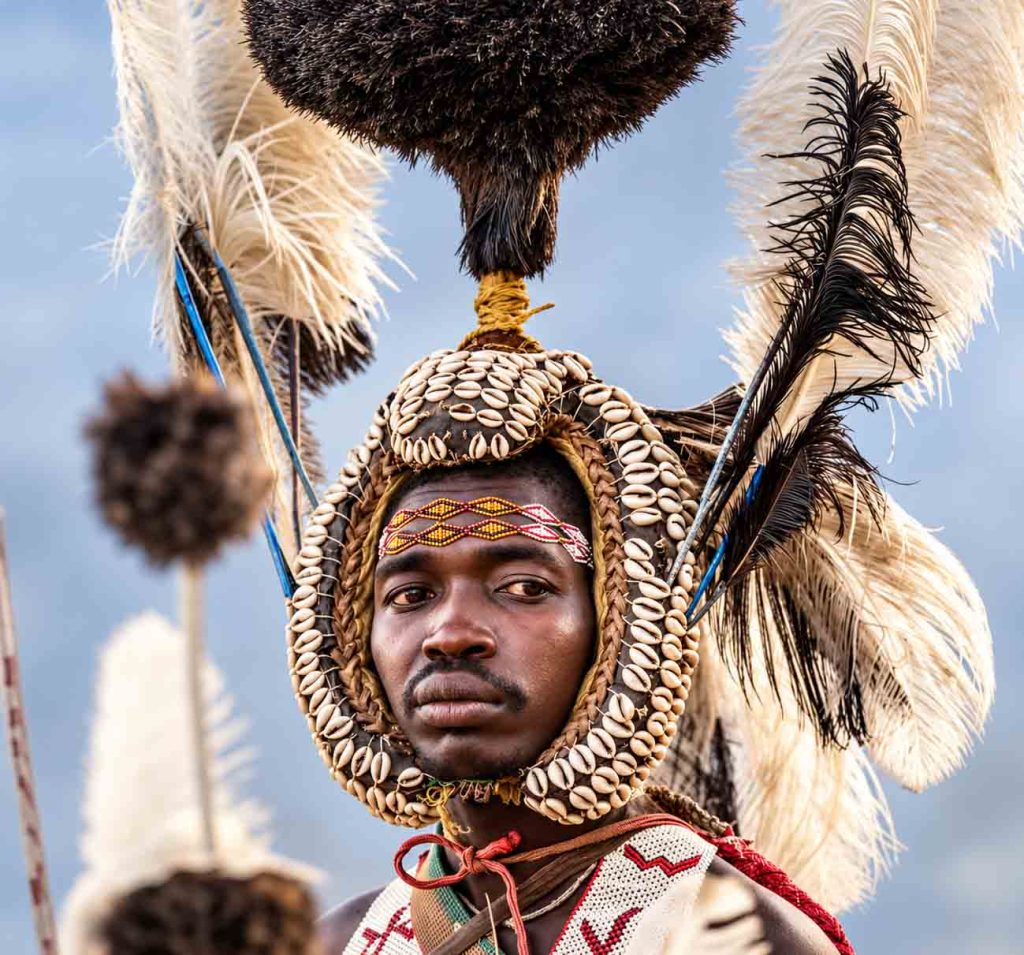
Spend the day documenting life among the Lopit, a community whose identity is closely connected to the highlands and settlements of Eastern Equatoria. The emphasis is on personal stories, village life, traditional knowledge and the relationship between people and their rugged environment.
Begin with portraits and wider scenes that place people within their surroundings. Depending on the community's activities, there may be opportunities to photograph traditional clothing and adornment, household routines, food preparation, agricultural work and the ways families use the spaces around their homes.
The surrounding hills also provide opportunities for environmental photography, with village structures, paths and cultivated areas forming part of the broader story. Where local people are comfortable sharing their knowledge, conversations can help explain the significance of particular practices and the changes communities are experiencing.
If a community gathering, dance or other cultural event is taking place and visitors are invited, your guide can help coordinate respectful access. Such events are not guaranteed and should never be staged or promised without confirmation. The day's value lies in documenting what is genuinely happening, with time to listen, observe and build trust
Safari Activities
- Morning portraits and village scenes
- Traditional architecture and personal adornment photography
- Documenting daily life and household activities
- Photography of the surrounding highlands and environment
- Community interactions and cultural documentation, where welcomed
- Afternoon photography and completion of portrait series
Accommodation
luxury camping
Meals
Breakfast · Lunch · Dinner
Lopit Morning Session | Journey Back Towards Juba
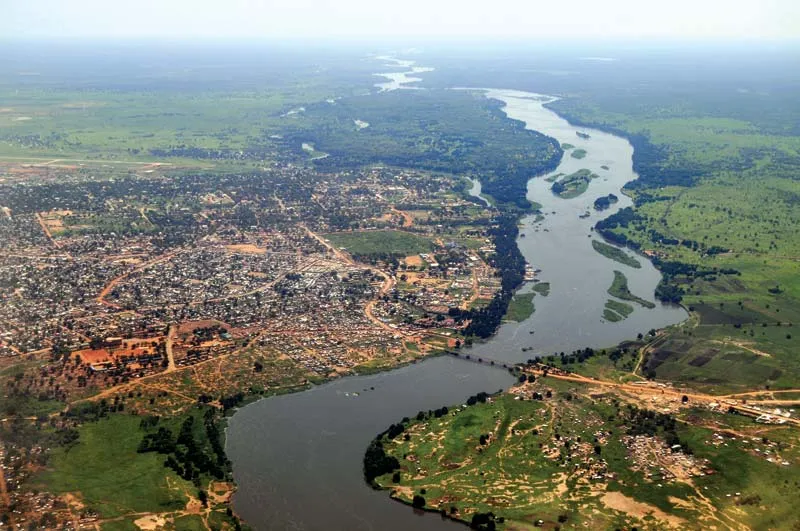
Begin the morning with a final photography session in Lopit territory. Revisit selected locations, complete outstanding portraits and capture the quiet details of village life that may have been missed during the previous day's work.
After breakfast, pack the expedition vehicles and begin the return journey towards Juba. The distance and road conditions make this a day to manage carefully, with breaks and any necessary overnight stop determined by the actual route and the advice of the local team.
Rather than pushing to cover excessive ground, the expedition will prioritise safe progress, vehicle readiness and arrival at an appropriate stopping point. Remote roads can be affected by weather and other local conditions, so flexibility is important.
Settle in for the night at a suitable regional stop or agreed accommodation en route. Use the evening to back up photographs, check equipment and prepare for the final stage of the expedition among the Mundari.
Safari Activities
- Final sunrise photography in Lopit territory
- Complete outstanding portraits and village details.
- Pack equipment and expedition vehicles
- Begin the return journey towards Juba.
- Stop for roadside photography where safe and appropriate.
- Overnight at a pre-arranged regional stop
Accommodation
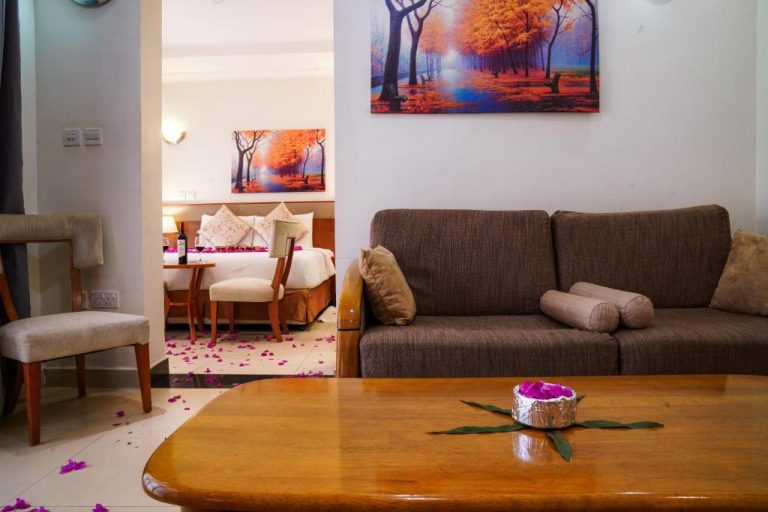
royal palace hotel juba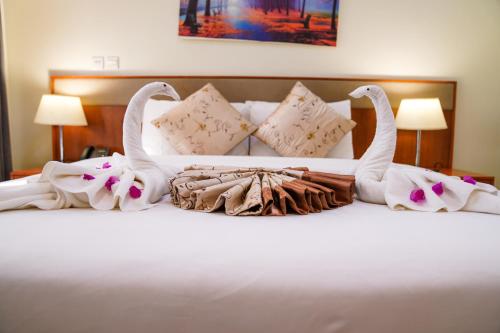
Meals
Breakfast · Lunch · Dinner
Journey to the Mundari Cattle Camps | First Afternoon of Photography

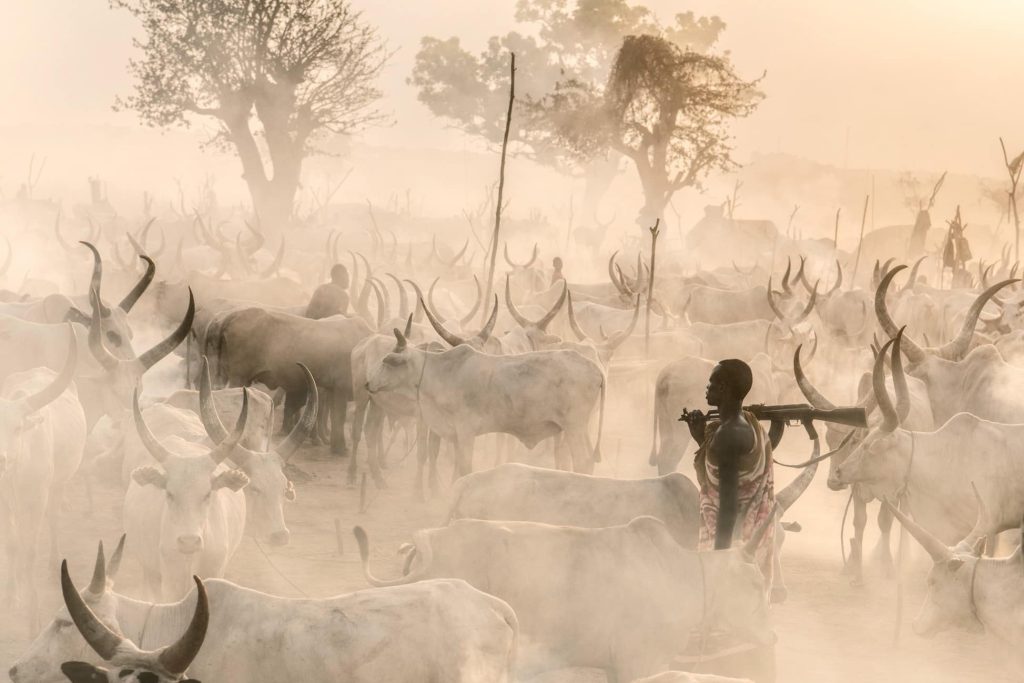
Continue towards the Mundari cattle camps near the White Nile, where pastoral life revolves around cattle and the daily routines of herders. The camps offer a different photographic environment from the remote mountain settlements visited earlier, with livestock, smoke, open skies and the movement of people creating a constantly changing visual scene.
Arrival time will depend on the previous night's stop, the road conditions and the precise location of the camp selected for the visit. After meeting the local hosts and confirming permission to enter, settle into the agreed accommodation or camp arrangement.
If conditions allow, spend the late afternoon observing the cattle camp and photographing its wider atmosphere as the light softens. Cattle returning to camp, herders moving among the animals and smoke rising from fires can create striking scenes, but the timing and activities vary from day to day.
The first visit is also an opportunity to understand how the camp operates and where photographers can move without disrupting people or livestock. Your guide will help establish appropriate boundaries and explain local expectations before more extensive photography begins.
Safari Activities
- Continue the journey towards the Mundari cattle camps.
- Meet local hosts and confirm photography permissions.
- Introductory exploration of the cattle camp
- Afternoon photography of herders, cattle and camp life
- Sunset photography, subject to arrival time and camp activities
Accommodation
luxury camping
Meals
Breakfast · Lunch · Dinner
Mundari People | Full Photography Day
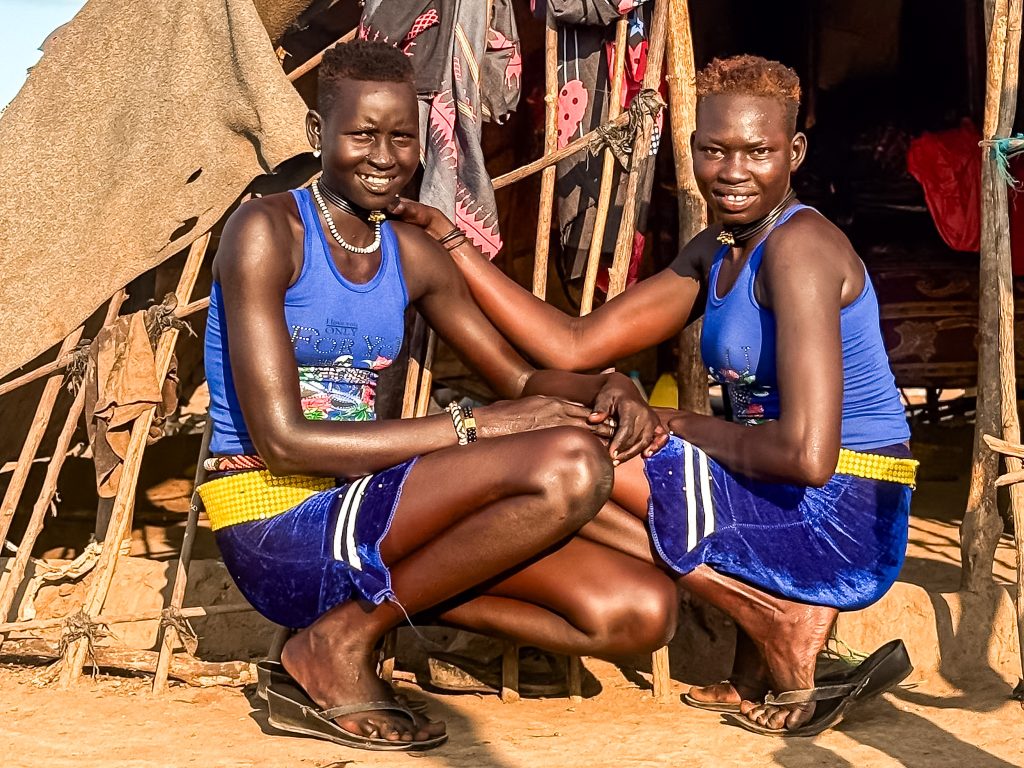
Spend a full day with the Mundari, documenting the close relationship between people and cattle that shapes daily life in the camps. This is an opportunity to work on a varied photographic story that goes beyond the familiar images of long-horned cattle and smoke-filled skies.
Begin early, when the light is soft and the camp is becoming active. Depending on the day's routines, you may photograph herders tending to their animals, people moving through the camp, the preparation of everyday necessities and the interaction between different generations. Cattle can provide striking portrait companions and strong compositional elements, but the priority is to represent the people and their lives with care.
As the day develops, look for opportunities to build a sequence of images: wide views that establish the setting, portraits that introduce individuals, details that reveal the texture of camp life and moments that show the relationships between herders and their animals.
During the brighter hours, take time to review images and rest before returning to the camp later in the afternoon. Evening light may reveal a different atmosphere as cattle gather and fires are lit. Always follow local instructions around animals and avoid entering crowded areas or approaching cattle without guidance
Safari Activities
- Early-morning cattle camp photography
- Environmental portraits of Mundari herders
- Cattle and pastoral life photography
- Documenting daily routines and relationships between people and cattle
- Midday image review and rest
Accommodation
luxury camping
Meals
Breakfast · Lunch · Dinner
Mundari People | Extended Photography and Visual Storytelling
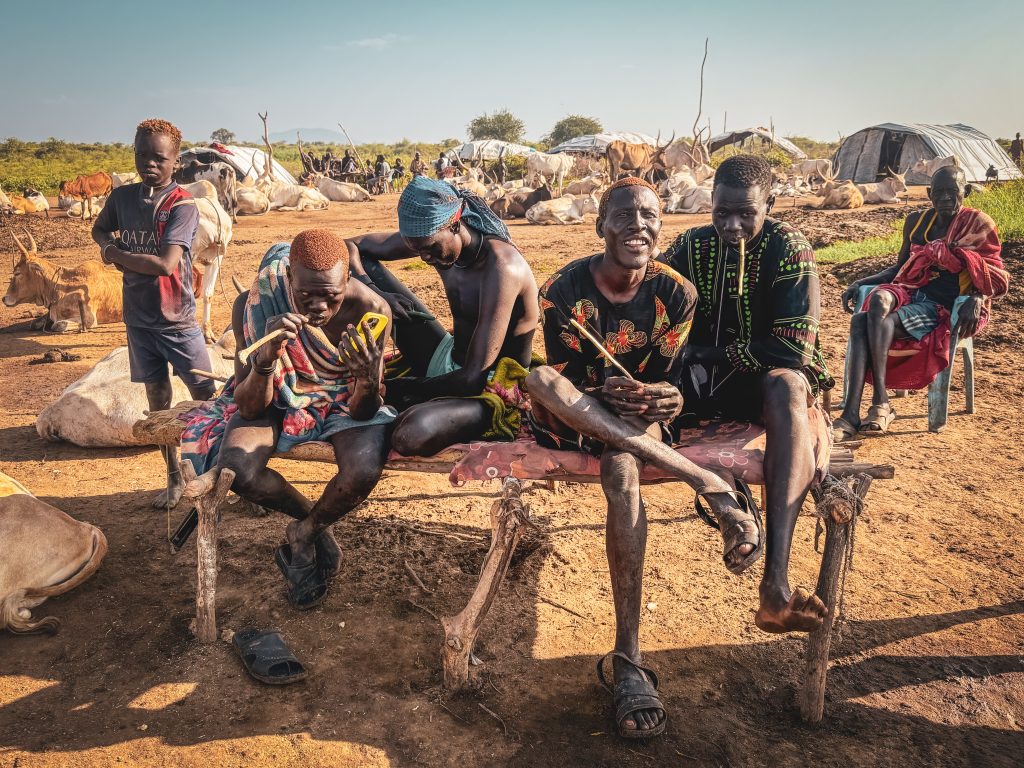
An additional day with the Mundari gives the expedition valuable flexibility. Instead of moving on after a single visit, you can revisit people and locations, deepen relationships with local hosts and develop a more considered photographic narrative.
Use the early morning to work on images that depend on particular light or activity. You may choose to refine portraits, photograph cattle against the changing sky or focus on the practical routines that sustain life in the camp. The best opportunities will depend on what is happening naturally and on the wishes of the people involved.
The middle of the day can be used to review photographs, organise files and identify gaps in your visual story. If permission is granted, you may return to individuals you met the previous day to complete a portrait series or record additional details. Returning to a familiar setting often produces more meaningful work than continually searching for new subjects.
In the afternoon, return to the cattle camp for another session, allowing time for changing light and unexpected moments. The aim is to leave with a balanced collection of images that reflects people, animals, place and daily life rather than relying on a few dramatic scenes.
Safari Activities
- Sunrise photography and additional portraits
- Revisit selected subjects and locations.
- Document daily camp activities and cattle care
- Review and organise photographs.
- Develop a wider visual story of Mundari life.
- Afternoon and sunset photography
Accommodation
luxury camping
Meals
Breakfast · Lunch · Dinner
Final Morning with the Mundari | Return to Juba
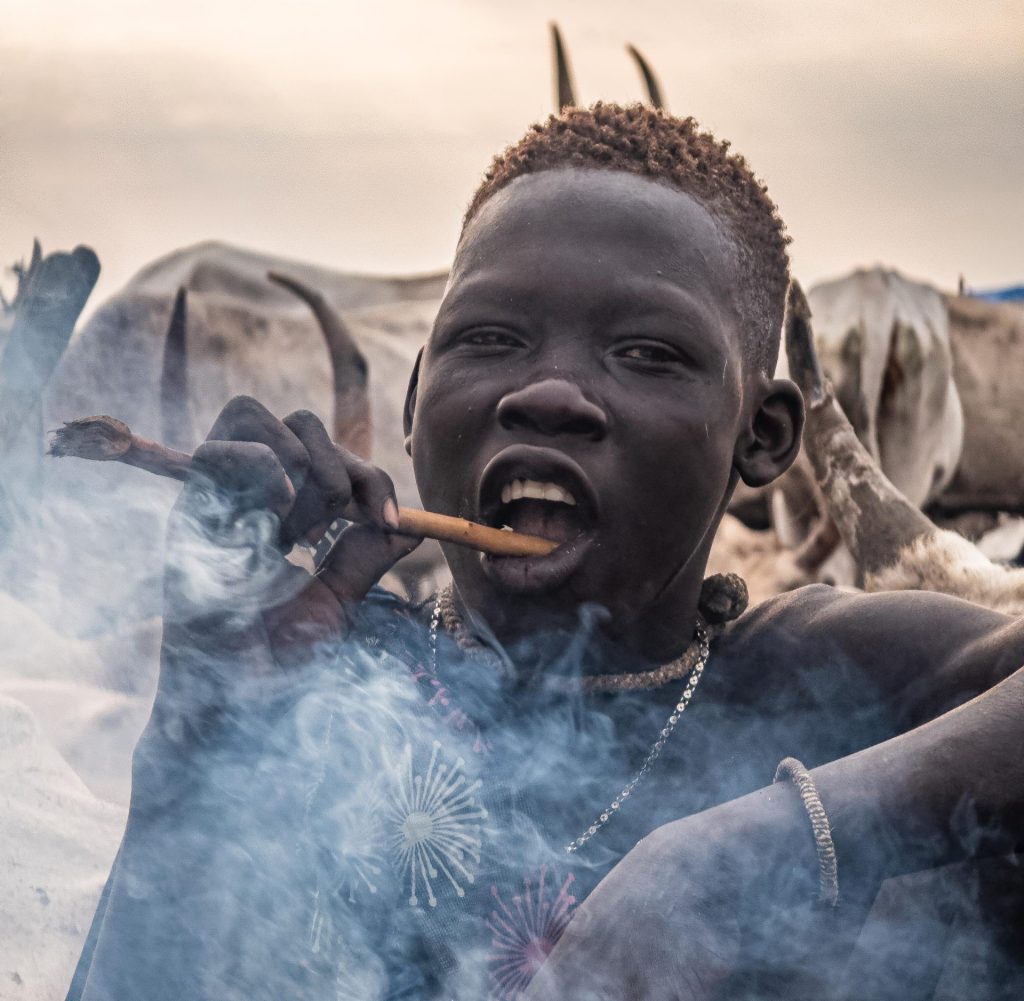
Make the most of the final morning with the Mundari, using the early light to complete any outstanding photographs and capture a last series of images from the cattle camps. This is also a chance to thank the local hosts and acknowledge the time and cooperation that made the visit possible.
After breakfast, pack the vehicles and begin the journey back to Juba. The return transfer will be planned around the camp's location, road conditions and the time needed to reach the city. Allow for breaks along the way and keep the afternoon schedule flexible.
On arrival in Juba, check in to your accommodation and take time to rest after the expedition's remote journeys. The evening offers an opportunity to reflect on the people and landscapes encountered during the past two weeks, review the photographic work and prepare for departure the following day.
Safari Activities
- Final early-morning photography session
- Complete outstanding images and camp details.
- Thank local hosts and conclude the community visit
- Road transfer back to Juba
- Check in and relax after the journey
Accommodation
royal palace hotel juba
Meals
Breakfast · Lunch · Dinner
Departure from Juba
Enjoy breakfast at your accommodation before transferring to Juba International Airport for your onward flight. Your departure transfer will be coordinated with your confirmed flight schedule.
The expedition concludes with a collection of experiences spanning five distinct communities and a wide range of South Sudan's cultural landscapes. From the pastoral settlements of Toposa territory to the mountain villages of the Laarim and the cattle camps of the Mundari, the journey offers an opportunity to build a thoughtful photographic record of people, place and everyday life.
Safari Activities
- Breakfast at the accommodation
- Transfer to Juba International Airport
- Departure for onward travel
Meals
Breakfast
Included
- All airport transfers in Juba
- Domestic flight from Juba to Kapoeta
- Private 4x4 expedition vehicles with experienced drivers
- Professional expedition leader and local cultural guides
- Community access arrangements and local fixers in all tribal regions
- Accommodation throughout the expedition (hotels, lodges, and field camps where applicable)
- All meals during the expedition as specified in the itinerary
- Bottled drinking water during travel days
- Boat and river access where required
- All photography days and cultural visits outlined in the program
- Government travel permits and regional access permissions
- Expedition planning, logistics, and on-ground support by Wild Compass Africa
- Visa invitation letter for South Sudan
Not Included
- Professional photography permits (if required by authorities)
- South Sudan visa fees
- International flights to and from South Sudan
- Travel and medical insurance (mandatory)
- Personal expenses (laundry, drinks, souvenirs)
- Tips and gratuities for guides, drivers, and local communities
- Camera equipment and accessories
- Any services not clearly mentioned in the inclusions


