Nyungwe is not only about its ancient beauty; it is a destination brimming with immersive safari activities. Whether you are a primate enthusiast, birder, or hiker, this rainforest has something extraordinary to offer.
Chimpanzee Trekking
One of the highlights of Nyungwe is the chance to track wild chimpanzees, Rwanda’s closest relatives to humans. Guided treks begin early in the morning, leading visitors deep into the misty forest to observe chimps as they feed, groom, play, and vocalize in the treetops. These treks are energetic and thrilling, often accompanied by the distant echoes of chimp calls.
Canopy Walkway Adventure
Perhaps Nyungwe’s most iconic attraction, the 160-meter-long Canopy Walkway hangs high above the rainforest, offering a bird’s-eye view of the treetops, valleys, and wildlife below. Suspended 70 meters off the ground, the walkway provides a breathtaking perspective and is ideal for photographers, adventurers, and anyone eager to see the forest from a unique angle.
Colobus & Other Primate Tracking
Beyond chimpanzees, Nyungwe is home to 13 primate species. Visitors can track large troops of black-and-white colobus monkeys — sometimes numbering up to 400 individuals — along with L’Hoest’s monkeys, grey-cheeked mangabeys, vervet monkeys, and blue monkeys. The variety and density of primates make Nyungwe one of the best parks in Africa for primate enthusiasts.
Birdwatching Paradise
With over 300 bird species, including 27 Albertine Rift endemics, Nyungwe is a world-class destination for birdwatchers. Species such as the Ruwenzori turaco, Grauer’s swamp warbler, and regal sunbird are among the highlights. Early morning birding walks with expert guides are especially rewarding, offering the chance to spot rare and colorful forest species.
Hiking & Waterfall Trails
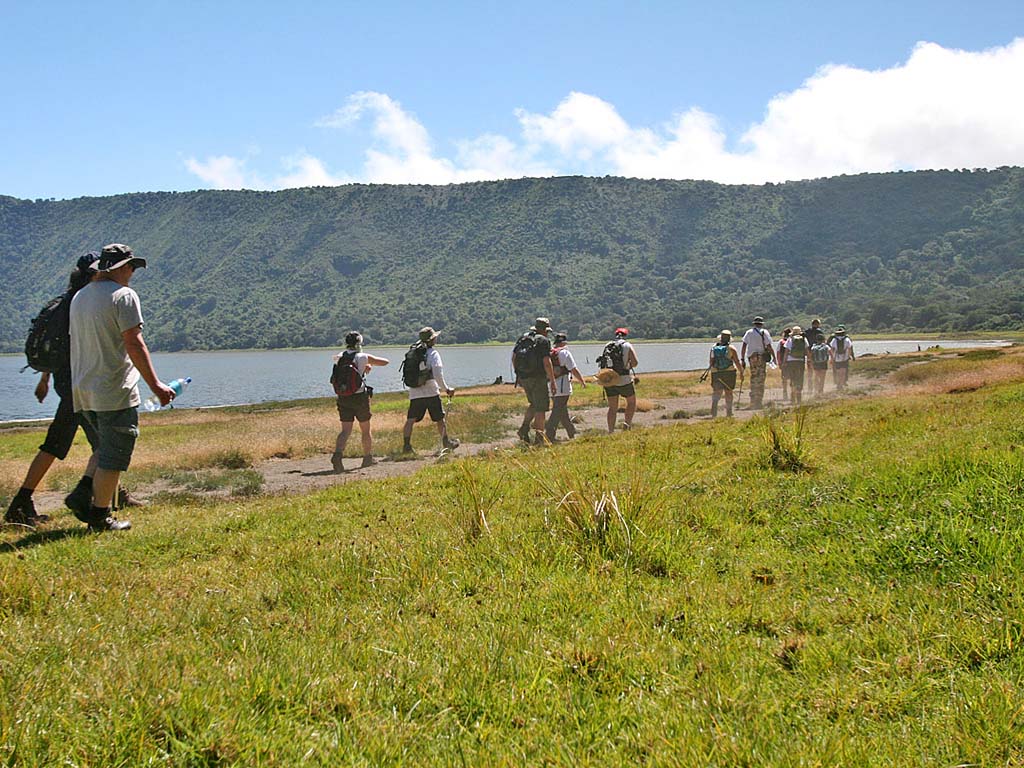
Nyungwe boasts an extensive network of over 130 kilometers of well-maintained hiking trails. These range from short nature walks to full-day treks through rugged terrain. Popular hikes include trails leading to majestic waterfalls, orchid gardens, secret forest viewpoints, and panoramic ridges. Each trail offers a unique glimpse into the forest’s flora and fauna.
Tea Plantation & Cultural Experiences
Bordering the forest are sprawling tea plantations, where visitors can take guided tours to learn about tea cultivation and enjoy tasting sessions. Cultural encounters with local communities also provide an opportunity to experience traditional Rwandan dance, music, and folklore, enriching your safari with cultural immersion.
Safari Activities at Lake Kivu
Relaxation and Scenic Escapes
Lake Kivu is widely celebrated for its peaceful ambiance. Visitors can spend leisurely days unwinding on sandy or pebbled beaches, enjoying the lake’s warm breeze and uninterrupted views of the surrounding volcanic hills. Romantic sunsets over the water create a magical atmosphere, making it a favorite destination for honeymooners and photographers. Many luxury lodges along the lakeshore also provide exclusive settings for wellness activities such as spa treatments, yoga sessions, and lakeside dining.
Water-Based Adventures
For those seeking activity, Lake Kivu’s calm waters are perfect for boating, kayaking, canoeing, and paddleboarding. Private boat cruises to secluded islands offer opportunities for swimming, picnics, or birdwatching in quiet coves. Fishing trips with local guides provide not only an adventure but also an authentic glimpse into the traditional fishing culture that has thrived here for centuries.
Hiking, Nature Walks, and Birdwatching
The rolling volcanic hills and terraced farmland surrounding Lake Kivu are ideal for nature walks and hiking excursions. Trails wind through coffee and tea plantations, offering chances to interact with local farmers and learn about Rwanda’s agricultural heritage. Birdwatchers are particularly rewarded here, as the lake and its wetlands attract a variety of species including African fish eagles, kingfishers, pelicans, and cormorants.
Cultural and Community Experiences
Lake Kivu is also a hub for cultural exploration. Visitors can immerse themselves in Rwandan life by visiting nearby villages, attending traditional dance performances, or exploring local craft markets. Coffee and tea plantation tours are especially popular, where guests can experience the full journey from bean to cup and sample some of Rwanda’s finest exports. These encounters add a meaningful cultural layer to the natural beauty of the lake.
Best Towns and Areas Around the Lake
Gisenyi (Rubavu): A lively lakeside town with beaches, vibrant markets, and a wide selection of restaurants. It is also a popular hub for water sports and day trips.
Karongi (Kibuye): A quieter, more romantic town known for its breathtaking views and intimate lodges, perfect for couples or travelers seeking a peaceful retreat.
Cyangugu (Rusizi): Located in the south, this tranquil lakeside destination is the gateway to Nyungwe Forest and ideal for travelers combining relaxation with primate trekking adventures.
Safari Activities in Sipi Falls
1. Abseiling (Rappelling)
This adrenaline-filled adventure is a highlight for thrill-seekers visiting Sipi. Conducted beside the main 100-meter waterfall, abseiling here offers an unforgettable rush. Participants descend the cliff face with ropes and harnesses under the guidance of trained instructors. The experience is intense and exciting, with mist from the falls adding a dramatic backdrop. For beginners, instructors provide step-by-step coaching, helping you conquer fears and make the descent safely. The climb ends near the waterfall’s plunge pool, where participants can take a refreshing dip before hiking back up. It’s a must-try activity for adventure lovers and one of the most thrilling experiences in Uganda.
2. Nature and Community Walks
Nature walks in Sipi offer a peaceful and insightful way to explore the beauty of the region. Led by experienced local guides, walks range from short sunrise or sunset treks to longer half- or full-day hikes through coffee farms, forests, and villages. These guided treks offer breathtaking viewpoints over the waterfalls, scenic ridges, and Mt. Elgon’s foothills. Along the way, you’ll meet local farmers, learn about Arabica coffee cultivation, and hear stories about local traditions. These walks are a great way to engage with the community and understand the area’s rich culture and biodiversity.
3. Rock Climbing
Rock climbing enthusiasts will find plenty to enjoy here. The cliffs near Sipi Falls feature 14 bolted climbing routes that vary in difficulty, catering to both beginners and experienced climbers. Routes range in height from 15 to 35 meters, and the climbs are managed by the Sipi Falls Tourist Guides Association, which provides safety equipment and instruction. As you ascend, the panoramic views of the surrounding valleys and waterfalls are more than worth the effort.
4. Mountain Biking
This is an adventurous way to explore the Sipi region and its nearby towns. The mountain biking trail from Sipi Trading Center to Chema Hill in Kapchorwa takes about 1.5 to 2 hours, and offers diverse scenery—from rural landscapes and forested paths to wide open views of the waterfalls and Mount Elgon’s slopes. Biking also allows for deeper interaction with the local community, as you pass through small villages and farms along the way.
5. Sport Fishing
For anglers, Sipi offers a unique experience: catch-and-release sport fishing in the upper reaches of the river above the waterfalls. The prized catch here is the rainbow trout, known for its vibrant coloration and strong resistance, which makes the sport both challenging and rewarding. Fishing is allowed in designated zones, and anglers must secure a permit from local authorities in Sipi Town. While you don’t need to book in advance, you must bring your own fishing gear. The largest rainbow trout caught here can weigh up to 3 kilograms, offering a truly satisfying challenge.
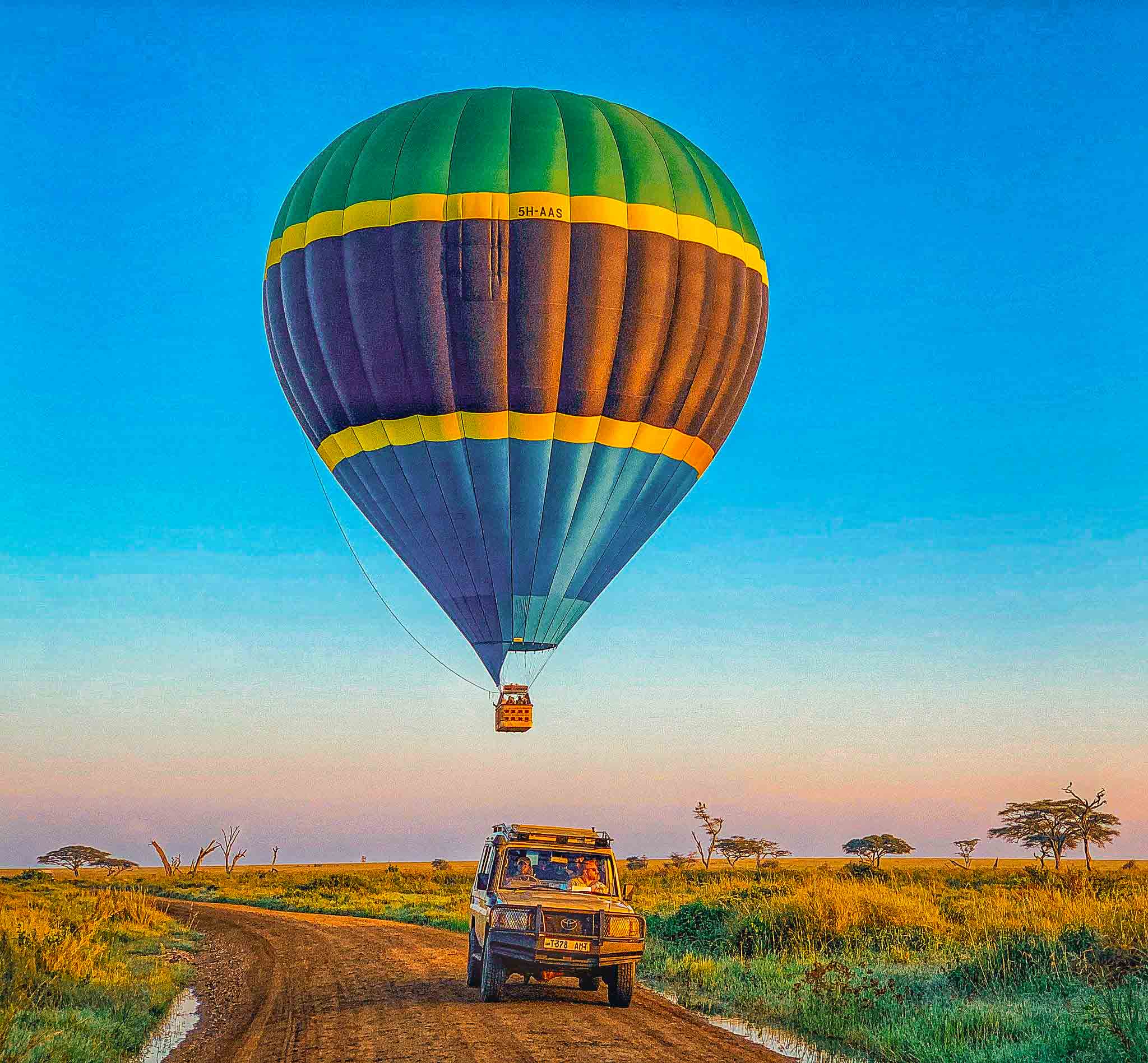
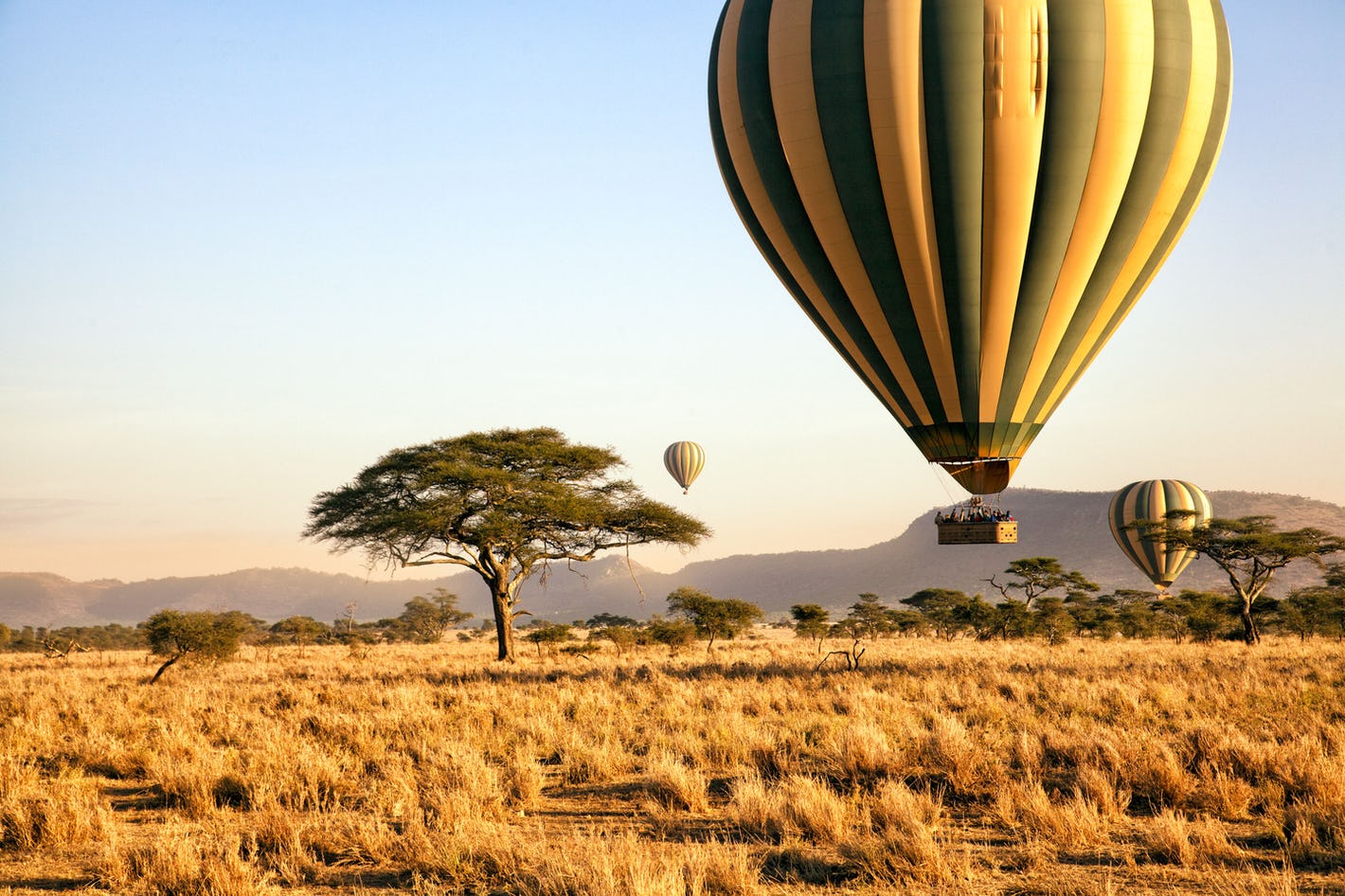
Hot air balloon safaris in Serengeti National Park are an exciting opportunity to obtain a birds-eye view of the park. Nobody has ever enjoyed birds from the sky more than…
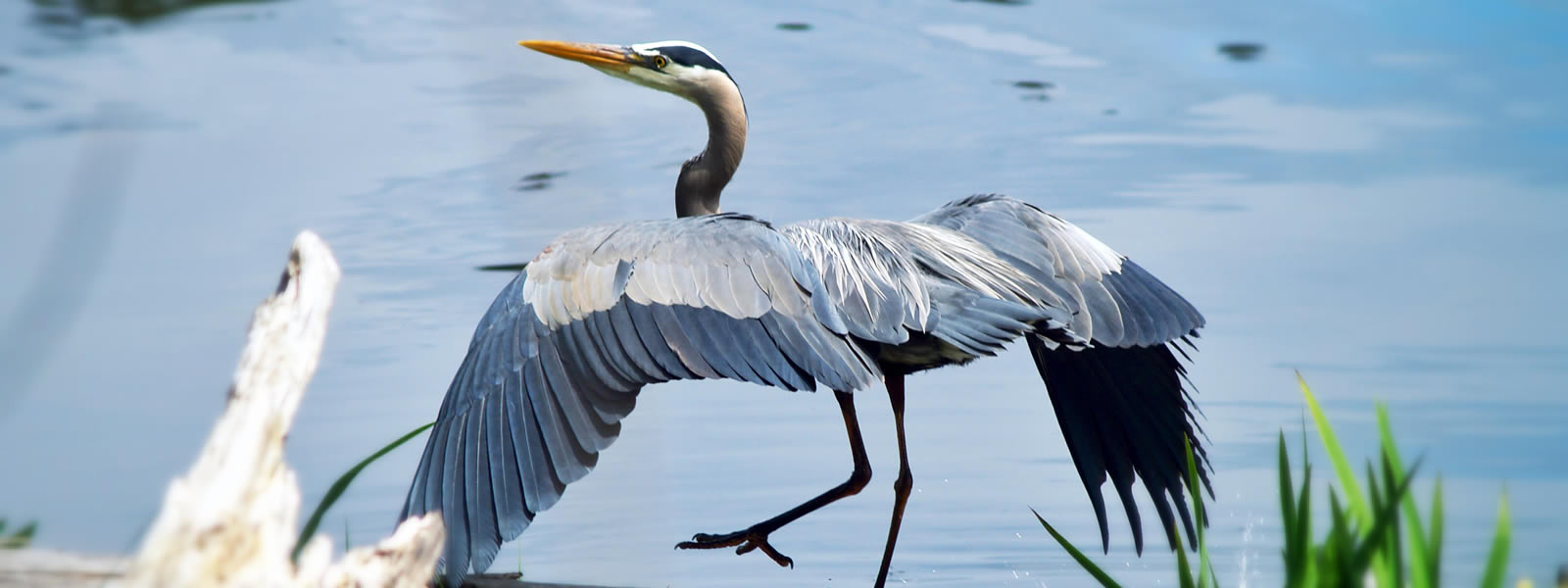
Tarangire is an amazing destination to watch birds as it has a bird list of over 500 bird species. Its swamps, which are normally green all year round, are the…
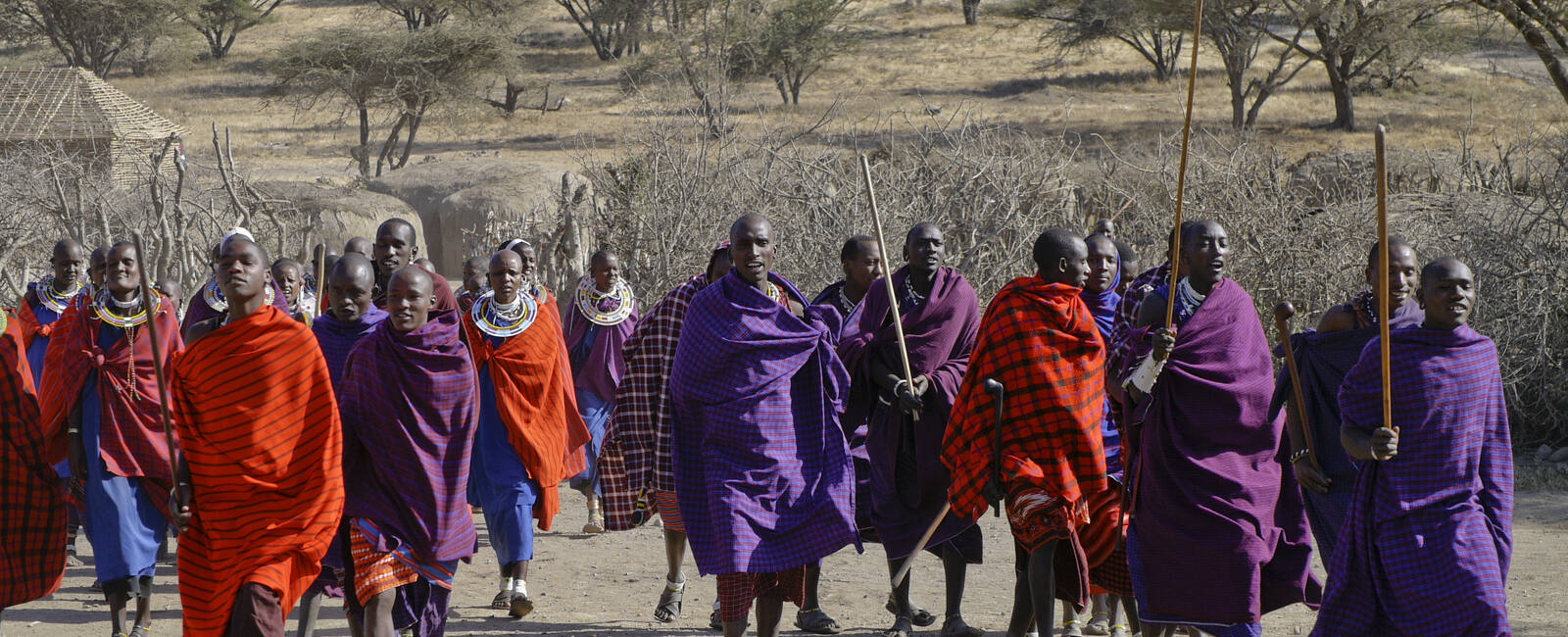
Many pastoralists migrated to the area throughout the millennia, lived here for a while, and then left, sometimes driven out by other tribes. Enclose Africa Safaris will take you to…
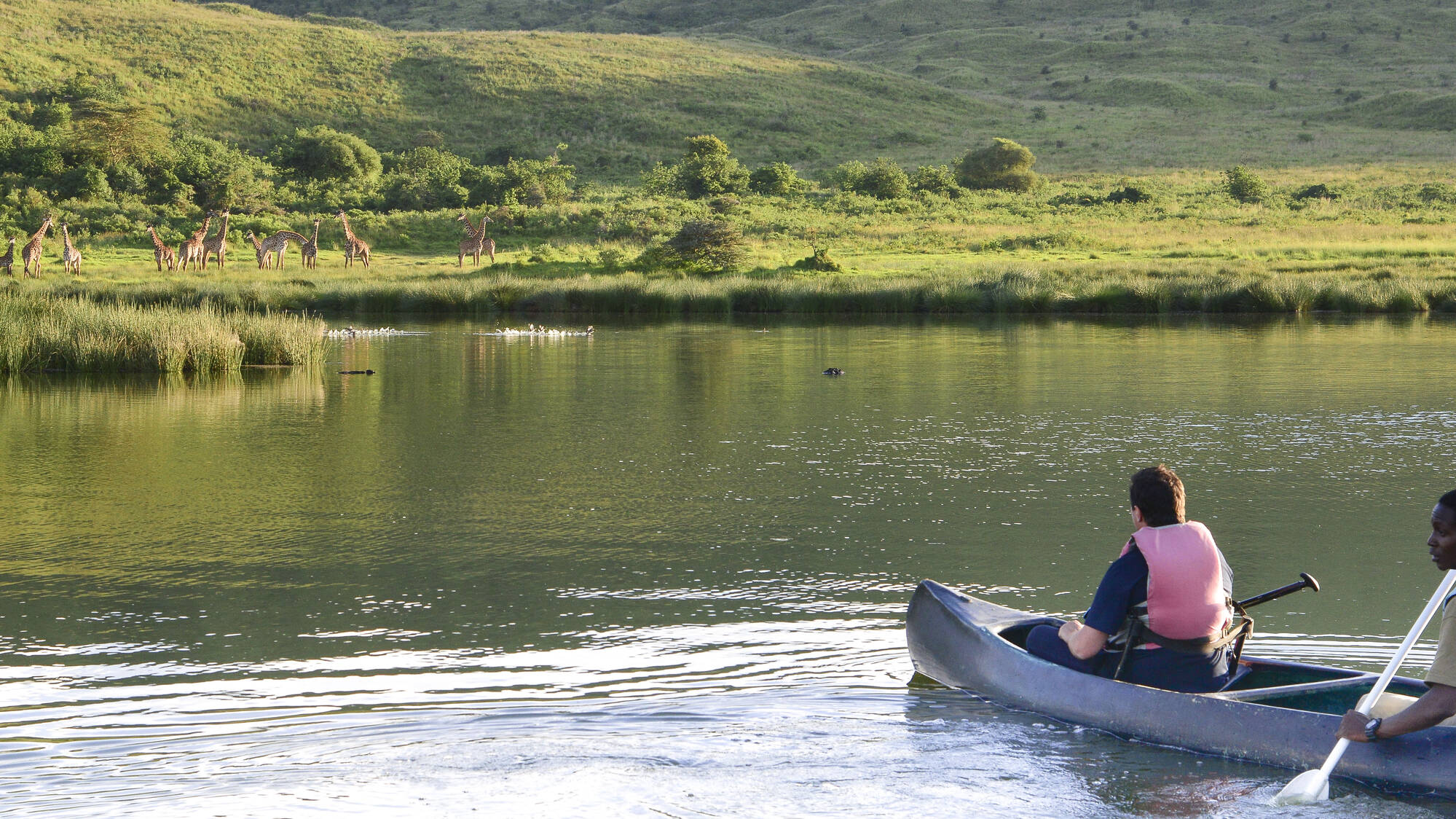
These are beautiful alkaline lakes that are found within the Arusha National Park in the northeastern end of northern Tanzania. The Arusa national park is regarded as one of the…
Situated in the northern part of Tanzania just about 170 kilometers from Tanzania’s Capital City Arusha, Ngorongoro crater is the largest inactive caldera in the whole world. Ngorongoro Crater lies…
Other than Serengeti National Park, visitors can also engage in hot air balloon safaris in Tarangire National Park, and this is extremely interesting and extremely wonderful. Hot air balloon safaris…
The highlight of this region is undoubtedly hiking the volcanoes themselves. Each mountain offers a distinct character and reward:
Mount Bisoke (3,711 m) A moderate full-day hike (4–6 hours round trip), Bisoke is famous for its stunning crater lake at the summit. The trail winds through lush vegetation zones — from bamboo forests to alpine meadows — before revealing breathtaking panoramas of neighboring volcanoes. Ideal for moderately fit hikers and nature photographers.
Mount Karisimbi (4,507 m) The ultimate challenge in Rwanda. Karisimbi requires a two-day trek with an overnight camp partway up the mountain. Known as Rwanda’s highest peak, it rewards adventurous spirits with dramatic landscapes, misty alpine vegetation, and an unforgettable sunrise from the summit. Best suited for experienced hikers with a high level of fitness.
Mount Muhabura (4,127 m) A 5–6-hour round-trip trek, Muhabura (meaning “the guide” in Kinyarwanda) stands tall at the Uganda–Rwanda border. Its slopes are relatively steep, but the summit rewards climbers with spectacular views over the twin lakes (Burera and Ruhondo), the Virunga chain, and even into Uganda.
Mount Sabyinyo (3,669 m) Known as the “old man’s teeth” because of its jagged summit, Sabyinyo offers one of the most unique hiking experiences. Its peak marks the tri-border point between Rwanda, Uganda, and DRC. The hike is physically demanding, but reaching the top means standing in three countries at once.
Mount Gahinga (3,474 m) The smallest of Rwanda’s volcanoes, Gahinga offers a more relaxed hiking option, perfect for families or beginners. The trail leads through thick bamboo forests, which are also home to golden monkeys, and culminates in a beautiful swampy crater at the summit.
2. Wildlife Encounters Along the Trails
Although the hikes focus on landscapes, hikers may also come across wildlife. The slopes of the volcanoes are rich with Albertine Rift bird species, colorful orchids, and sometimes even sightings of primates like golden monkeys or gorillas in the lower bamboo zones.
3. Cultural Experiences
Guided community visits are often paired with volcano hikes, giving travelers an opportunity to meet local people, learn about traditional farming practices, and enjoy cultural performances. These experiences provide a meaningful connection between the landscapes and the communities that live beside them.
4. Additional Activities Nearby
Gorilla Trekking: Combine a volcano hike with a once-in-a-lifetime gorilla encounter.
Golden Monkey Tracking: Short, energetic treks into the bamboo forests to find playful troops of golden monkeys.
Birdwatching: The slopes are a paradise for bird enthusiasts, home to rare Albertine Rift endemics like the Rwenzori turaco.
Dian Fossey Research Center: Visit Karisoke to learn about the pioneering work of Dian Fossey and her legacy of gorilla conservation.