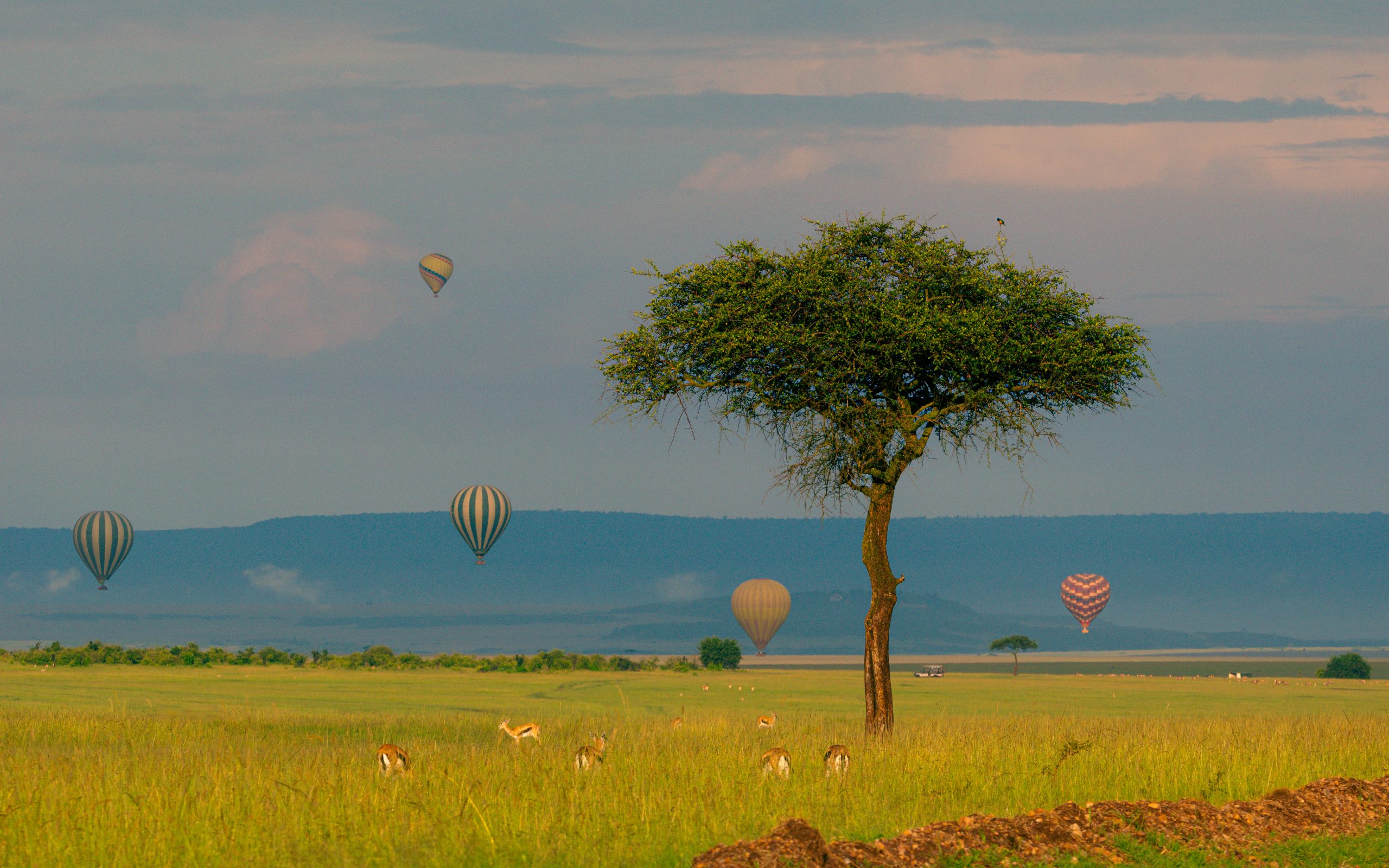
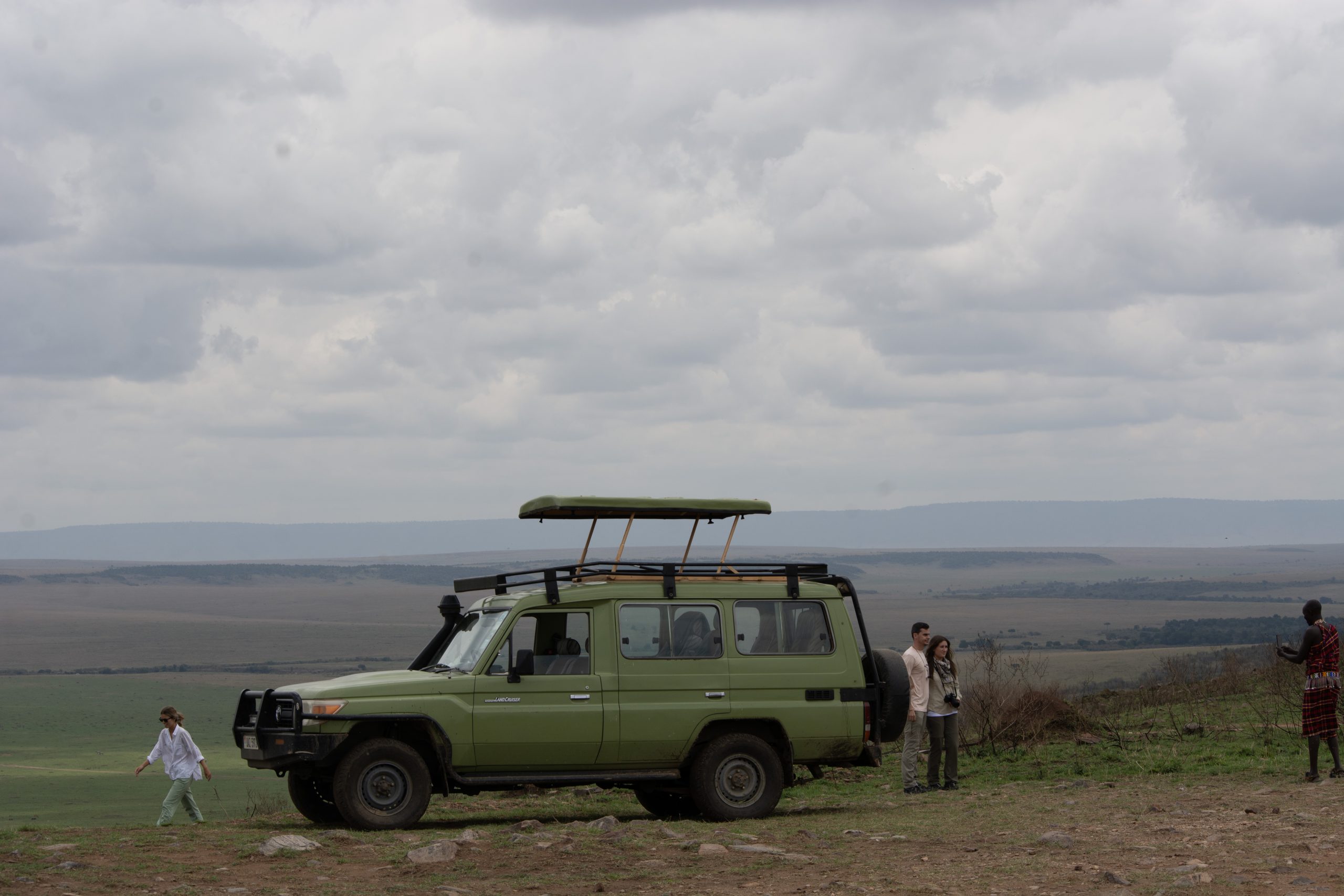
The Great Wildebeest Migration – Nature’s Most Breathtaking Journey
Scroll for more Info
A Seasonal Journey Across Tanzania and Kenya
The Great Wildebeest Migration is one of East Africa’s defining wildlife events. Each year, enormous herds of wildebeest move across the Serengeti ecosystem in Tanzania and the Maasai Mara in Kenya, following the changing availability of fresh grass and water. Zebras and gazelles travel alongside them, while lions, cheetahs, hyenas and other predators take advantage of the seasonal abundance of prey.
The migration involves an estimated 1.5 million wildebeest, although numbers vary by source, alongside large numbers of other grazing animals. Rather than following a fixed route on a set timetable, the herds respond to rainfall and grazing conditions. Their movements form a broad seasonal cycle across open plains, woodland, river valleys and the borderlands between Tanzania and Kenya.
For safari travellers and wildlife photographers, each part of this cycle offers a different experience. The southern Serengeti is known for the calving season, the western corridor for its grasslands and river systems, and the northern Serengeti and Maasai Mara for opportunities to witness the herds approaching and crossing the Mara River. The best destination depends on the time of year, current conditions, and the kind of wildlife experience you hope to see.
Why Do Wildebeest Migrate?
The movement of the herds is closely linked to rainfall and the availability of nutritious grass. As conditions change across the Serengeti ecosystem, wildebeest move between grazing areas, often travelling alongside zebras and other herbivores that use the landscape in different ways.
Rainfall is variable, so the migration does not follow identical dates every year. Some herds move ahead of others, while different groups may remain in one area for longer than expected. River crossings can occur when animals encounter rivers along their route, but there is no reliable schedule for when or where a crossing will take place.
This uncertainty is part of what makes migration safaris different from conventional wildlife viewing. Planning around the likely seasonal range of the herds improves your chances, but sightings always depend on the animals’ movements.
1. Calving Season in Ndutu and the Southern Serengeti
Typical period: January to March
Main areas: Ndutu, the southern Serengeti plains and adjoining parts of the Ngorongoro Conservation Area.
The southern plains become an important grazing ground during the calving season, when many wildebeest give birth within a relatively short period. The timing depends on rainfall and the condition of the grasslands, but January and February are often key months for planning a visit.
Newborn calves are soon able to stand and move with their mothers, helping them keep pace with the herds. The concentration of young animals also attracts predators, including lions, cheetahs and spotted hyenas. Encounters vary from day to day, and predator activity should never be treated as guaranteed.
For photographers, the open plains can offer good opportunities to capture herd movement, maternal behaviour and interactions between predators and prey. Wide-angle photographs help convey the scale of the herds, while longer lenses are useful for distant behaviour without disturbing wildlife.
Staying in or near Ndutu can reduce daily travel to likely wildlife areas. Mobile camps and lodges should be chosen according to their actual location and the seasonal movement of the herds.
2. The Western Serengeti and Grumeti River
Typical period: Around May to July, with considerable variation.
Main area: The western corridor of Serengeti National Park.
As the herds move away from the southern plains, many travel through the central and western Serengeti. The western corridor includes grasslands, woodland, and river systems that become important as the migration progresses.
The Grumeti River is one of the obstacles encountered by some migrating herds. Crocodiles inhabit sections of the river, but crossings are unpredictable, and not every group will cross at a convenient viewing point during a safari.
Even without a dramatic river crossing, this part of the Serengeti offers opportunities to observe large herds moving through the landscape, alongside resident wildlife. The changing vegetation and riverine habitats also provide a different setting from the open southern plains.
For travellers considering this region, accommodation location and access to the western corridor matter more than simply booking for a particular month. A well-planned itinerary should include time to explore the area rather than depend entirely on witnessing a crossing.
3. The Mara River and the Northern Serengeti
Typical period: Often July to October, although timing varies.
Main areas: Northern Serengeti, including the Mara River region, and Kenya’s Maasai Mara National Reserve.
The northern Serengeti and Maasai Mara are associated with some of the migration’s best-known river crossings. When herds approach the Mara River, they may gather along the banks before moving into the water. A crossing can unfold quickly, but herds may also wait for hours or days before making a move.
The river presents genuine hazards. Strong currents, steep banks, and crocodiles make crossing a dangerous undertaking for wildebeest and other animals. Some animals cross successfully, while others may be injured or killed. The exact outcome depends on the conditions and the behaviour of the herd.
Crossings are not scheduled wildlife events, and no camp or guide can guarantee one. Visitors may spend time watching herds along the riverbanks or following their movements without seeing an actual crossing.
For wildlife photographers, patience is essential. A telephoto lens allows you to photograph from a suitable distance, while a wider lens can record the scale of the herd and the surrounding landscape. Follow guide instructions and park regulations, and never approach the river or wildlife on foot for a photograph.
Travellers should also understand the geography: the migration moves between Tanzania and Kenya, but the herds do not necessarily cross the international border at the same time as they cross the river.
4. Movement Towards the Southern Plains
Typical period: Around October to December, with movements influenced by rainfall.
As the short rains develop in parts of the Serengeti ecosystem, many herds begin moving back towards central and southern grazing grounds. The route and timing differ between groups, and some animals may remain in the north or west for longer than expected.
The return movement is not a single procession. Herds spread across different areas in response to available grass and changing weather, gradually bringing many animals back towards the southern plains.
For travellers, this period can offer rewarding game viewing even when the herds are dispersed. The central Serengeti may provide a useful base for following wildlife movements, while the southern areas become increasingly relevant as grazing conditions change.
A flexible itinerary is particularly useful at this time of year. Rather than relying on fixed calendar dates, work with guides who can assess recent conditions and adjust the route where possible.
When Is the Best Time to See the Great Migration?
The best time depends on which part of the migration you want to experience. These periods are general planning guides, not fixed schedules.
Approximate periodMain areaWhat to look forJanuary to MarchNdutu and southern SerengetiCalving, large herds and predator activityApril to JuneCentral and western SerengetiHerd movement, changing grazing areas and western corridor wildlifeJuly to OctoberNorthern Serengeti and Maasai MaraHerd concentrations and possible Mara River crossingsOctober to DecemberNorthern, central and southern SerengetiHerd movement towards southern grazing grounds
The transition between stages can vary from year to year. If your main goal is a river crossing, allow several days in the relevant region and accept that a crossing may not happen during your stay. If you prefer a broader wildlife safari, choosing a good area for the season can deliver rewarding sightings even without a major migration event.
Wildlife Photography During the Migration
The migration offers more than river crossings. Calving herds, animals moving across open plains, dust rising behind a large group, and interactions between predators and prey all provide opportunities for wildlife photography.
In Ndutu, the open landscape can work well for images that include both animals and their surroundings. In the western and northern Serengeti, woodland, riverbanks and changes in terrain create different photographic settings. The best approach depends on the light, the behaviour of the animals, and the distance at which they can be viewed responsibly.
A telephoto lens is useful for distant subjects and animal behaviour, while a shorter lens can help capture the scale of a herd or the wider landscape. Early morning and late afternoon often provide softer light, but interesting images can be made throughout the day when the behaviour and conditions are right.
Good photography also depends on restraint. Keep a respectful distance, follow park rules and avoid pressuring guides to block animal movement or approach dangerous situations. No image is worth disturbing wildlife or putting people at risk.
Planning a Great Migration Safari
A migration safari is most successful when the route, accommodation and length of stay match the seasonal movement of the herds.
How long should you go for? A short stay of two or three nights in one migration area can be worthwhile, but a longer itinerary gives you more time to explore and reduces dependence on a single wildlife encounter. A cross-border safari may require additional time for transfers and park arrangements.
Where should you stay? Choose accommodation according to its actual location and access to the relevant wildlife areas. A camp described as being in the Serengeti may still be several hours from the region you want to explore. Seasonal mobile camps can be useful, but their location and operating dates should be confirmed before booking.
Should you travel by road or air? Road safaris allow you to explore the landscape along the way, while scheduled or charter flights can reduce travel time between distant areas. The right choice depends on your budget, available time, luggage and photographic equipment.
Can you see the migration in both Tanzania and Kenya? Yes. A cross-border itinerary can combine the Serengeti and Maasai Mara, subject to flight schedules, border arrangements, park fees and the seasonal location of the herds. Crossing between the two countries does not guarantee seeing more wildlife, so the route should be planned around your interests rather than the number of destinations.
Responsible Wildlife Viewing and Conservation
The Serengeti–Mara ecosystem depends on connected grazing areas and movement routes across a large landscape. Habitat loss, barriers to wildlife movement, land-use changes and climate variability can all affect the long-term future of migratory animals.
Responsible tourism supports protected areas, local livelihoods and conservation work, but its benefits depend on how tourism is managed. Visitors can contribute by choosing responsible operators, following park rules, respecting wildlife distances and recognising the importance of maintaining connected habitats.
The migration is a natural process, not a performance. Its timing, route and encounters change with environmental conditions, and those uncertainties deserve to be respected.
More Kenya Experiences
Suggested Kenya Safaris